It looks like you are visiting this site
from outside the UK region.

Go to US site

Employee engagement: why it matters

Employee engagement: why it matters

In their 2023 State of the Global Workplace Report, analytics and advisory firm Gallup found that nearly 6 in 10 employees are feeling disengaged at work. Traits of disengaged employees can include demotivation, missed deadlines, disinterest in team activities and avoidance in taking initiative.

Such behaviours have also been described by the term ‘quiet quitting,’ whereby a disengaged employee only fulfils the bare minimum of their duties.   

Planteria group

The Impact of Disengagement

Employee disengagement can result in several issues, both for an individual’s wellbeing and the organisation. Decreased productivity is a key risk of disengaged employees, along with high absenteeism, turnover rates, and the subsequent recruitment and training costs.

The 2023 State of the Global Workplace Report found that disengaged employees are estimated to cost the global economy $8.8 trillion dollars, which represents 9% of global GDP. As well as the financial implications, employee disengagement also results in an adverse impact on team morale, which may cause an overall reduction in workplace productivity and innovation due to an unfavourable working environment. 

Planteria group

The Role of Nature in Engagement

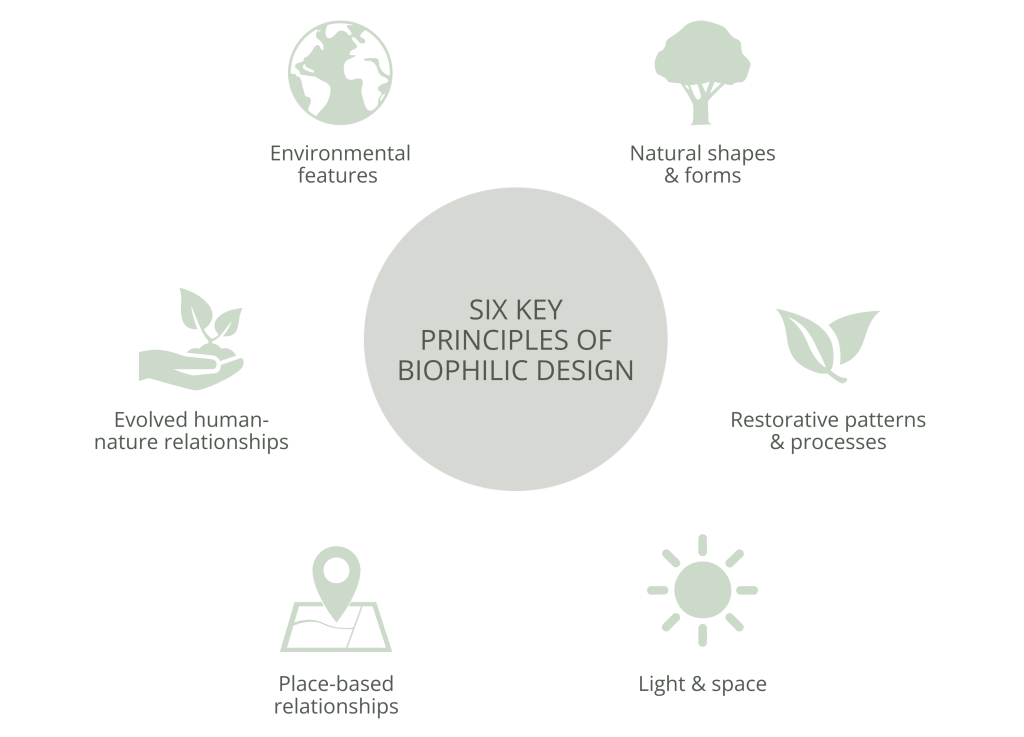
Biophilic design can be classified into six key principles illustrated below:

Planteria group

The last two principles provide a clear insight into how biophilic design can foster a sense of purpose and belonging. Place-based relationships refer to the link between culture and ecology. This is based upon a human’s sense of connection with familiar surroundings and feelings of protection or stewardship towards such places, known as Place Attachment Theory.

A study published in the Journal of Environmental Psychology investigated the connection between green buildings and place attachment. It found that biophilic design and opportunities for connection to nature were amongst the most important aspects for supporting Place Attachment Theory and can enhance individual wellbeing, quality of life, as well as increase pro-environmental behaviours and community resilience.

When coupled with the attachment to nature and health and wellbeing benefits that biophilic design provides, it is clear to see the powerful impact that spaces with a strong biophilic element can have on an individual’s sense of belonging within that space. 

Planteria group

How Interactive Experiences with Plants Create Meaningful Connections

Direct contact with vegetation represents one of the most successful ways of promoting human connection in design. Dr. Stephen Kellert claims that human evolution and survival require the management of natural environments, particularly with regards to sensory elements. Moreover, DelSesto highlights the variety of often overlooked ways that we interact with plants in daily life.

From clothing to writing materials, plants are used to produce essential daily items. What’s more, the exchange of plants as a mark of celebration or condolence highlights their powerful role in landmark events in our lives.

DelSesto’s below spectrum categorises people-plant interactions into key groupings: physical exertion, tactile immersion and peaceful abiding. Different aspects can align particularly strongly with some of the identified benefits of biophilia. For example, interactions classified under the ‘peaceful abiding’ grouping are likely to be closely aligned to the benefits of stress reduction, while those classed as ‘tactile immersion’ may be particularly effective at boosting engagement and concentration.

Strategies Behind Engage & Bloom: Tailored Solutions for Every Workplace

Engage & Bloom is Planteria Group’s employee experience program grounded in the principles of biophilia and the scientifically proven links between nature, productivity and wellbeing. Through a series of interactive, plant-based experiences, it inspires individuals to connect with nature.

Planteria group

Engage & Bloom delivers tailored solutions for every workplace. In addition to an informative biophilic webinar, employees can dial-in live and speak to our ‘Plant Doctor’ who will advise on care and maintenance of specific plants. There is the opportunity to identify and learn about plant species, simply by scanning a plant’s QR code. Packages can also include interactive and engaging biophilic-based workshops, which can encompass activities such as wreath making, floristry and orchid arrangement.

Planteria group

Flexible Solutions to Suit Workplace Needs

Engage & Bloom is focused on creating tailored solutions for every workplace. The flexibility of several key offerings within the program allows employers to implement activities in accordance with their workplace’s needs and schedules.

Plant giveaways, biophilic webinars and workshops can be scheduled at a convenient time and location for the business, whether it is on-site or at a separate location as part of an out-of-office event.

Engagement Through Experience

According to Michigan State University, there are many activities workplaces can implement to improve group cohesion and build trust.

Such activities often give employees the chance to interact with colleagues in a different way and reveal different aspects of their personalities that may not come out during normal work interactions.

Other advantages of team building include: boosting employee engagement, encouraging communication, mitigating conflict and increasing collaboration.

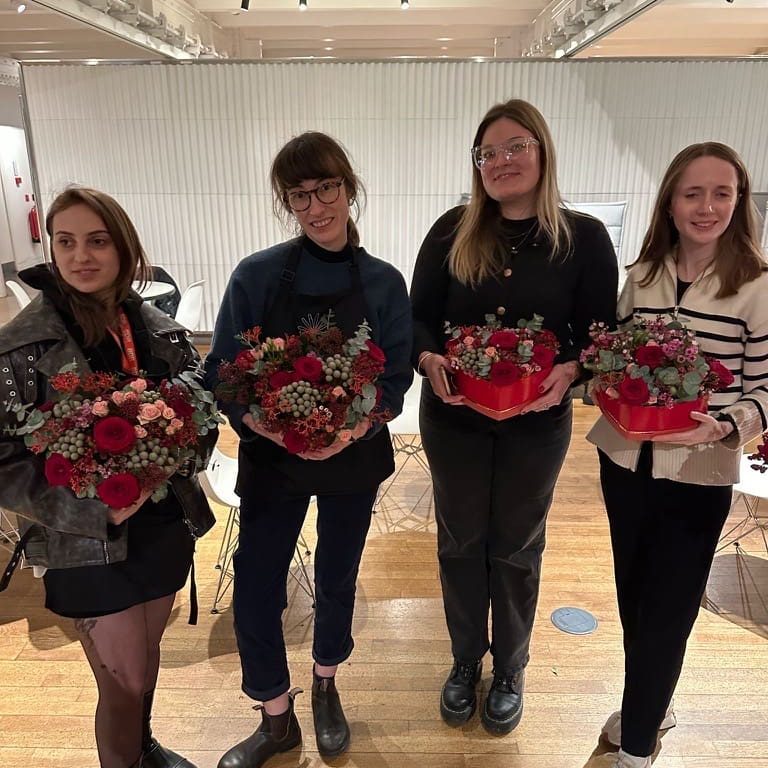
Engage & Bloom workshops provide an opportunity for employees to experience these benefits, whether working directly together or enjoying a shared experience alongside each other to produce wreaths, orchid displays, and floristry bouquets.

As noted by McKinsey & Company, being amongst nature helps with attention span, creativity, wellbeing and happiness, and should act as a foundational resource for both individual and team development.

Read More

Discover ways to enhance your office environment with our expert insights on biophilic design, wellbeing, sustainability and the world of plants.

The science of wellness in the workplace

The science of wellness in the workplace

Workplace wellbeing encompasses how employees feel at work and about work, with a focus on developing and displaying healthy behaviours.

More specifically, it can include some of the following elements:

  •         A positive working environment
  •         Job satisfaction and purposefulness
  •         Good leadership and management
  •         Pay and reward
  •         Personal development
  •     Physical and mental health

Planteria group

Impact of Stress, Poor Air Quality and Sterile Environments on Staff

Factors such as stress, poor air quality and sterile environments can all have a negative impact on workplace wellbeing. Poor workplace mental health has been estimated to cost UK businesses an incredible £45bn each year. Furthermore, Lumien data reveals how wellbeing impacts employees 27% of the time, and as a result, companies are losing 17% productivity.

Annually, this equates to £5,318.45 per employee, representing a significant organisational cost that could be mitigated through the implementation of wellbeing-focused initiatives.

Scientific Evidence Supporting Biophilia

Taking an evidence-based approach to workplace wellbeing allows employers to understand their employees wants and needs, along with areas of improvement.

According to the Mental Health Foundation, 45% of people reported that visiting green spaces helped them to cope. Likewise, Harvard research finds that spending 20 to 30 minutes in an outdoor setting where people feel they are interacting with nature can lower stress hormone levels.

Planteria group

Cognitive and Productivity Benefits of Greenery in Offices

The concept of biophilia is supported by various studies and frameworks, including Kaplan’s Attention Restoration Theory which found that exposure to nature reduces mental fatigue, as well as helping improve focus and our ability to concentrate.

Likewise, Ulrech’s 1981 Stress Reduction Theory claims that natural environments promote recovery from stress, while urban environments tend to hinder it. 

Planteria group
Birmingham Office Move 2024

The Psychological Basis of Nature Engagement

According to the National Library of Medicine, individuals have less mental distress, less anxiety and depression, greater wellbeing and healthier cortisol profiles when living in areas with more greenspace.

This is reinforced by NHS research, which found that people who spend at least two hours a week in nature experience better health and higher psychological wellbeing than those who do not visit nature at all during an average week.

Planteria group

Sensory Benefits of Plant Interaction

Sensory planting encourages an increasingly engaging and meaningful experience with plants, stimulating senses, including smell, sound, touch and sight.

According to the RHS, selecting plants that are particularly good for your senses can improve mood and general wellbeing. 

Examples of plants with sensory benefits include:

·       Fragrant flowers, such as lavender, jasmine and rose

·       Herbs, including mint, basil and rosemary

·       Plants with a particularly textural appearance include lamb’s ear, ferns and ornamental grasses.
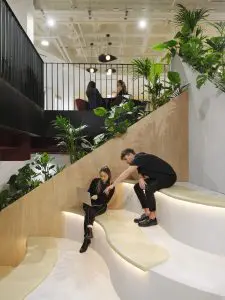
·       Vibrantly coloured plants that satisfy the visual sense

·       Edible plants such as strawberry plants

Planteria group
Our Vertical Horizons towers can be used to grow herbs, salads and edible produce in the office.

Read More

Discover ways to enhance your office environment with our expert insights on biophilic design, wellbeing, sustainability and the world of plants.

Introduction to Engage & Bloom

Introduction to Engage & Bloom

Harnessing nature for workplace wellness and engagement

Engage & Bloom is an employee experience program grounded in the principles of biophilia and the scientifically proven links between nature, productivity and wellbeing. Through a series of interactive, plant-based experiences, it inspires individuals to connect with nature.

The program is firmly rooted in science. It draws on Kaplan’s Attention Restoration Theory, which demonstrates how exposure to natural environments reduces mental fatigue, and Ulrich’s Stress Reduction Theory (1981), which highlights how nature supports stress recovery.

The Rising Importance of Wellbeing and Engagement

Today’s workplaces face increasing pressure to support employee health, focus and performance. Research shows that since the 1950s, humans have become progressively more disconnected from nature; particularly in urban environments where sterile interiors and heavy reliance on technology limit natural interaction.

Biophilic design and programs like Engage & Bloom offer powerful tools to counteract this. Their impact can be measured across a range of wellbeing, behavioural and productivity metrics.

A growing body of research indicates that organisations incorporating biophilic elements and nature-inspired activities can expect to see decreases in absenteeism, stress-related concerns and wellbeing issues – ultimately improving the overall employee experience.

Engage & Bloom is built on the principle of biophilia: the innate human desire to connect with nature. Numerous studies reinforce this, including a notable experiment conducted by the Chelsea Flower Show. This experiment invited participants to take part in a study that measured their creativity, happiness and productivity across a variety of different workplace designs. The results found that allowing staff to make design decisions in a workspace enhanced with office plants can:

· Increase wellbeing by 47%

· Increase creativity by 45%

· Increase productivity by 38%

These results demonstrate the remarkable impact that simple contact with plants can have. Engage & Bloom amplifies this by transforming passive observation into active and meaningful interaction.

How The program Engages Employees

Using DelSesto’s spectrum of people–plant interactions, Engage & Bloom’s activities fall into two meaningful categories:

1. Tactile Immersion
Hands-on workshops that involve direct interaction with natural materials, including: floristry bouquet creation, moss art, seasonal wreath-making. These activities engage the senses, spark creativity and offer moments of mindful focus.


2. Peaceful Abiding
Calming, sensory-based experiences such as: plant giveaways, dial-in plant clinics, species identification via QR codes and Plantopedia. These initiatives help cultivate deeper awareness of and connection to plants within everyday workplace settings.


Together, these touchpoints strengthen employee engagement, build community and create a more restorative workplace culture.

Implementing Engage & Bloom

Planteria Group is committed to delivering tailored solutions for each individual workplace. The Engage & Bloom team will contact you to book in your events on a date that is convenient to your team. They will talk you through your options, help you choose the best event type to suit your needs and identify the space needed to host the activities.
We recommend early, organisation-wide communication to maximise attendance. Simply anticipating a fun, wellbeing-focused activity can boost engagement before the event even begins.
Creating a calming, engaging workplace is an increasingly vital part of a facilities manager’s remit. Biophilic design and nature-inspired employee experiences allow organisations to demonstrate a real commitment to wellbeing and engagement. By introducing innovative, plant-based initiatives, facilities professionals can strengthen client relationships and highlight their proactive approach to evidence-based workplace enhancement.
Client Success stories

Engage & Bloom has been successfully integrated across diverse industries and workplace cultures.

Seasonal workshops, such as wreath-making, remain favourites, with materials, colours and themes easily adapted to reflect autumn, spring, Christmas or even an organisation’s brand palette. These bespoke touches create a highly personalised experience.

TRANSFORM YOUR WORKPLACE TODAY

Engage & Bloom offers tailored solutions that benefit organisations, individuals and teams. Whether your goal is to enhance wellbeing, boost productivity or create a more inspiring workplace, the program provides a science-backed, creative pathway to change. Let us help you transform your workplace today.

T: 0345 505 3333

E: engageandbloom@planteriagroup.com

Read More

Discover ways to enhance your office environment with our expert insights on biophilic design, wellbeing, sustainability and the world of plants.

Trends shaping the 2026 office

Trends shaping the 2026 office

The workplace is evolving faster than ever. As we step into the new year, offices are no longer just physical spaces. We have identified four influential trends are shaping what the workplace will look like in 2026.

1. Neuro-Inclusive and Sensory-Aware Design

One size never fits all in office design, and now companies are finally embracing that fact at a neurological level.

Neuro-inclusive design means creating spaces and experiences that are accessible and user-friendly for everyone, covering the entire neurodiversity spectrum. This could be extroverts who thrive on interaction to neurodivergent individuals who may need low-stimulation zones.

This trend shows as offices providing more varied sensory settings:

  • Truly quiet rooms or library zones for deep work,
  • Touchdown spaces with gentle background noise,
  • Soft lighting options and,
  • Areas with adjustable sensory elements to accommodate different comfort levels.

Oktra’s Future Workplace Report points to the importance of such features, noting that future workplaces should offer wellbeing spaces that cater to neurodiverse employees. Some workplaces even include ‘sensory deprivation rooms’ for complete silence and decompression.

The goal is to enable each individual to find an environment that fits their mode of working and neurological profile on any given day.

Major design firms are already championing neuro-inclusive principles. HOK calls for workplaces that celebrate neurological differences rather than treating atypical needs as an afterthought.

Expect to see more offices with designated quiet zones, no interruption seating and support for different working styles.

Small touches, like offering noise-cancelling headphones and having alternate communication methods can make a big difference. Ultimately, designing with sensory wellbeing in mind benefits everyone. It leads to environments that are less chaotic, more thoughtful and adjustable to personal comfort.

In a 2026 workplace that may host five generations and a spectrum of neurodivergent conditions, this will be key to helping all employees thrive.

Planteria group
One of the wellness room at Goodwin Proctor, designed as part of their WELL certification to provide a space for rest and recuperation.

2. Sustainability

For most employees, sustainability in office design is a baseline expectation. 61% of workers say eco-friendly, sustainable materials are important to their satisfaction with the office. This aligns with a broader shift in sentiment. Sustainability is now tied to individual principles and talent attraction.

Employees, especially younger ones, want their company’s office to reflect their own values of environmental responsibility. Features like energy-efficient lighting, water-saving fixtures, recycling and compost programs are becoming standard in new office designs.

Beyond materials and energy, companies are also pursuing credentials to prove their commitment. Green building certifications (LEED, BREEAM, etc.) are well-known, but the focus is expanding to health-oriented certifications like WELL and Fitwel. These certifications encompass both sustainability and human wellness metrics.

Workplaces are now tracking air quality and ventilation in real time. AI and smart sensors give companies the insights they need to maintain healthy indoor environments.

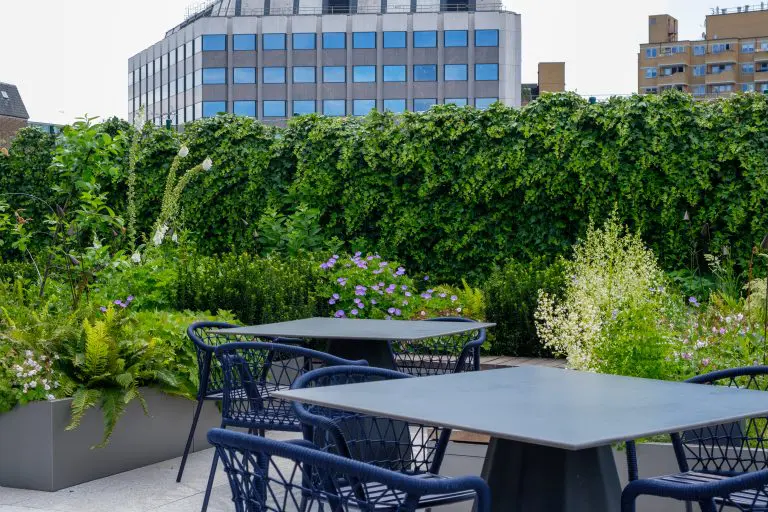
Supporting biodiversity is becoming an important priority. Many organisations are now planting pollinator-friendly species on terraces and rooftops. Branded pollinator habitats are emerging as a visible sign of commitment.

The percentage of floor space dedicated to plants or natural elements is increasing. By 2026, sustainable design will be part of the DNA of the workplace. We expect B Corp status or WELL certification for spaces to continue growing in popularity.

Tomorrow’s offices will be expected to care for both people and the planet.  Responsible design now means balancing sustainability with wellbeing.

Planting and pots at endava, london by planteria
Sustainable pots, such as a the recycled Capi pot (left), are increasingly being included in office planting schemes.

3. Measurable WellBeing

Alongside sustainability, the idea of measurable wellbeing in workplaces is gaining traction.

It’s no longer enough to assume an office is working well for employees. Leading companies want to track and prove it through concrete metrics. This is driving adoption of building standards like the WELL Building Standard and Fitwel. These standards provide frameworks and certifications for how well a space supports human health.

Offices pursuing WELL certification, must meet criteria across areas such as air, water, light, fitness, comfort and mind. Fitwel, emphasises things like nutritious food access, physical activity and health policies.

Find out more on how plants can contribute to WELL Certification.

What’s notable is that offices with these certifications demonstrate increased employee satisfaction. Early data shows that people in WELL-certified workplaces report a 26% increase in wellbeing.

In practical terms, ‘measurable wellbeing’ means offices are being designed and run with constant attention to health metrics. For example, indoor air quality sensors might track CO₂ and pollutant levels in real time. Lighting systems might be tuned to circadian rhythms and measured for appropriate lux levels at different times of day. Acoustic quality can be measured and adjusted if certain areas are too noisy for concentration.  Even things like the ratio of green space per occupant or the use of staircases can be quantified.

Employee feedback is increasingly part of the equation. Regular pulse surveys or smart building apps allow workers to rate comfort, cleanliness, noise and more. In 2026, we expect offices to prominently feature their wellness metrics (much like a building might display its energy usage).

The best workplaces will treat wellbeing as a deliverable. We expect organisations to use standards like WELL and Fitwel as blueprints to ensure the office truly supports its human occupants.

Planteria group
Goodwin Proctors London HQ achieved BREEAM Excellent and WELL Gold certifications.

4. Hospitality Influence: Offices with a Boutique Vibe

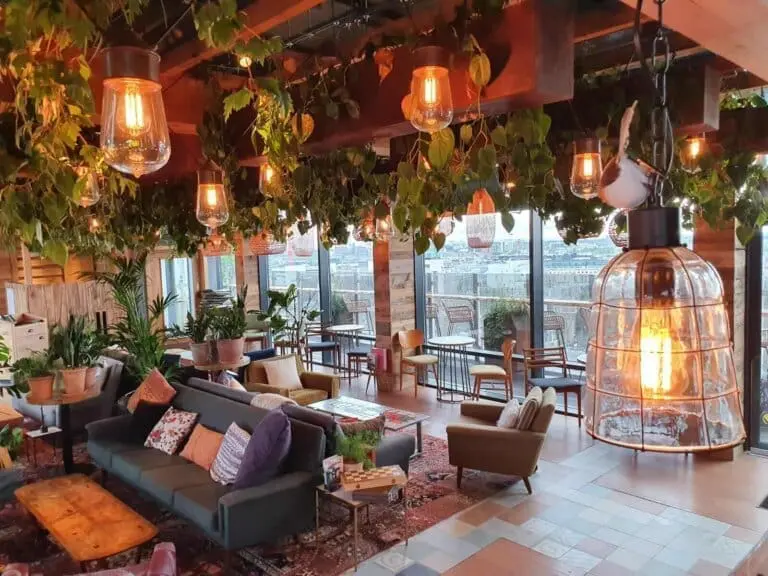
The design of offices is increasingly taking cues from the hospitality industry. We’re seeing hotel lounges, inviting cafés and boutique hotel lobbies all translated into the workplace context.

This trend recognises that employees, much like guests, want to feel welcomed and comfortable in a space. Landlords and employers are therefore transforming offices to have more of a hospitality vibeAmenities are similar to high-end hotels or coffeehouses rather than traditional corporate offices.

In modern offices it’s now common to see in-house cafés and barista bars, casual lounge areas with artisanal furniture and more. Event programming like yoga classes, networking mixers and wreath-making workshops are becoming popular – all things one might expect to find at a boutique hotel.

Planteria group
A Planteria arranged plant giveaway for a leading social media company.

The reasoning is simple: if the office is an enjoyable destination, people will want to be there.

A key aspect of this hospitality approach is focusing on the experience. It’s about crafting thoughtful experiences that earn the commute. A recent Harvard study on workplace loneliness highlighted that meaningful social connection happens through inclusive activities and comfortable spaces.

Planteria group
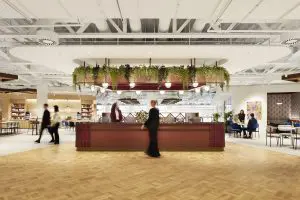
The canteen area at Experian's London office.

Organisations are investing in community events, wellness programs and beautifully designed multi-purpose spaces. Spaces where people can both work and unwind.

The hospitality influence also means service quality in offices is rising. We expect offices to feel more like a members’ club or coworking lounge. Places with their own vibrant identity and a focus on how people experience it each day.

Employees are customers of the workplace. To attract them (and retain them), the office must compete with the comfort of home and the allure of third places.  

modern office FAQ'S

The major trends are neuro-inclusive and sensory-aware design, sustainability, measurable wellbeing and hospitality-influenced workplaces. Together they focus on comfort, health and creating offices people want to use.

It means designing spaces that work for a wide range of neurological needs, from extroverts who enjoy buzz to neurodivergent employees who may need calm, low-stimulus areas. It often includes quiet rooms, soft lighting, varied sensory zones and flexible seating.

Companies are recognising that people work best in different environments. Offering a choice of sensory settings supports focus, reduces stress and helps employees manage their own comfort throughout the day.

Sustainability is now a baseline expectation. Offices are using eco-friendly materials, energy-efficient systems, better ventilation and recycling programmes. Many workplaces are also adding plants, pollinator habitats and pursuing certifications such as LEED, BREEAM, WELL and Fitwel.

They give companies a clear framework for designing healthy, sustainable spaces. They also provide measurable standards, helping organisations track air quality, light, comfort, acoustics and other wellbeing metrics.

It refers to tracking how well a workplace supports health through data. This can include air-quality sensors, lighting levels, acoustic scores, green space ratios and employee feedback. Many companies now treat wellbeing as something to prove, not assume.

Early data suggests they do. People working in WELL-certified offices report higher satisfaction, including a noted 26% increase in wellbeing.

The hospitality influence comes from a simple idea: if the office feels inviting, people will want to use it. Modern workplaces now include café-style spaces, lounges, comfortable furniture and a stronger focus on service and experience.

Examples include barista bars, boutique-style lounges, wellness rooms, community events, workshops and multi-purpose social spaces. These features help build connection and make the commute feel worthwhile.

Plants support all four trends. They improve sensory comfort, enhance sustainability, contribute to WELL criteria and help create warmer, more hospitality-inspired spaces. Many offices are now dedicating more floor space to greenery and using sustainable pots and planting systems.

Our perspective on the future of the workplace

Our perspective on the future of the workplace

Planteria Group brings a distinct perspective to the future of the workplace, one rooted in biophilic design and purposeful planting.

As specialists in corporate planting, we believe plants are no longer just decoration.  They enhance wellbeing, define space and express identity. It’s about integrating nature into the workplace in ways that inspire and connect people.

Our workplace programme, Engage & Bloom, helps organisations use planting as a tool to inspire, engage and strengthen connections at work. This reflects a key insight: biophilic elements can influence how employees feel, behave and interact within an office.

So, what does experience-led planting look like in practice? First, it treats plants as wellbeing enhancers. We use the calming and uplifting effects of greenery to create environments where people feel more at ease and attentive. Countless studies show that plants reduce stress and even improve perceived air quality. Our designs often use planting to introduce softness and tranquillity. The plants become a form of visual and sensory comfort, tempering the hard edges of modern interiors with organic shapes and greenery. 

Secondly, Planteria uses planting as natural architecture. A way to shape the flow and identity of a space. Plants can act as living partitions. They can divide zones without the need for walls or create focal points that draw people into communal areas. These elements add character and ‘instagrammable’ moments to the workplace, contributing to the hospitality vibe.  

Importantly, planting schemes are often tailored to reflect a company’s culture or brand identity. In a recent project for Rabobank’s London offices, our team chose plants that linked back to the company’s Dutch heritage. 

Bright office breakout space with sofas and timber ceiling detail.

For Legal & General, we used the Umbrella Plant to reflect their umbrella logo. The result is an office that tells a story. 

Planteria group

These mini case studies illustrate how design can reinforce a sense of belonging and identity. When people see their company’s ethos reflected in their physical workplace, it deepens their emotional connection to it.

Of course, an experience-led approach must also walk the talk on sustainability and this is where Planteria Group introduces its sustainability focused planting. From Ecoponic, peat-free substrate, to Walking Plant Technicians. From being zero to landfill and choosing locally sourced plants. Clients get the assurance that their plants are maintained in a way that protects the planet.

By combining biophilic expertise, design creativity and sustainable practices, Planteria Group holds planting as a key part of the workplace experience. Plants are used to improve lighting and acoustics. They mark transitions between focused library zones and vibrant café zones. They boost mood, reduce stress and reinforce what a company stands for.  

The goal is simple: to make the office a place where people want to be. It all connects back to our purpose: we harness the power of nature to create inspiring spaces.

The Future Office Is Human

At its heart, the future of the office is about putting humans first.

The lesson from the past few years is that employees, not employers, now drive the conversation about how and where work gets done. And what employees say they want is simple: they want workplaces that feel good to be in.

That means:

  • Spaces where they can connect with colleagues and culture,
  • Environments that keep them comfortable and healthy and,
  • An atmosphere that resonates with purpose and positivity.

Companies have learned that you can’t bring people back to their desks through mandates alone. It’s about earning their presence by creating an experience they value.  Designing offices that are inclusive, flexible and enriching. The best workplaces now complement the freedom of remote work.

The human-centric office thrives on authentic care for people’s needs. Employees choose offices that give them a sense of community, one that allows them to concentrate in comfort and align with their values. In these spaces engagement rises, culture strengthens and innovation happens organically. Connection, comfort and purpose directly correlate with outcomes like job satisfaction, wellness and retention.  And threading throughout this is nature, arguably the lifeblood of the future workplace.

Planteria group
The Dojo offices in Bristol were full of vibrant plants to support their lively, engaging company culture.

Biophilic design is one of the most effective ways to infuse offices with warmth, life and humanity. Greenery and sunlight reduces stress levels and improves cognitive function.  It makes people not only happier, but more productive. Even in a tech-driven age, our basic human wiring craves a connection to nature.

From collaborative lounges filled with plants to quiet pods designed for every kind of brain. From climate-neutral buildings filled with social energy to calm, sensory-balanced spaces for focus. The office of tomorrow is being built around what people really want and need.

At its core, it’s about feeling good. Feeling connected, comfortable and part of something meaningful.

In the end, the future office is about an experience that says to employees, ‘We value you.’ Create a space where people feel valued and they will value being there. The future office is human, and that is a future worth looking forward to.

modern office FAQ'S

It is the use of planting to shape how a workplace feels and functions. Plants are chosen and positioned to improve comfort, wellbeing, social connection and the overall experience of being in the office.

Greenery reduces stress, supports focus and makes spaces feel more comfortable. Studies consistently show that plants can help lower anxiety and improve how people perceive indoor air quality, which leads to calmer, more attentive employees.

Yes. Planting affects mood, comfort and how people use space. For example, well-placed greenery can encourage people to gather in shared areas, or help individuals feel at ease in quieter zones.

Plants can act as natural partitions, guide circulation routes and define zones without walls. They soften hard edges, create focal points and add character to social spaces.

Absolutely. Plant choices, colours and arrangements can be linked to a company’s identity. Examples include using species tied to a country’s heritage or selecting plants that echo brand symbols.

Biophilic design connects people with nature. This improves wellbeing, reduces stress and supports cognitive function. In a hybrid world, offices must offer something home working cannot. Nature plays a core role in making workplaces feel good to be in.

When an office has zones for collaboration, focus and relaxation, planting helps signal these differences. Greenery marks transitions between spaces, improves acoustics and gives each zone a clear identity, helping people choose where to work.

Planteria uses peat-free, soil-free Ecoponic substrate, selects locally grown plants and runs a zero-to-landfill approach. The Walking Plant Technician model also cuts van mileage for maintenance visits, reducing environmental impact.

When employees feel connected to their environment, they engage more with colleagues and wider company values. Planting creates warmth, encourages interaction and helps people feel part of something shared.

Workplaces today must earn the commute. Design now focuses on comfort, connection and purpose. Planting supports all three, making offices healthier, more welcoming and more aligned with what employees expect from a modern workplace.

What matters most to employees today?

What matters most to employees today?

Since the pandemic, the purpose of the office has changed. The conversation has shifted from mandating a “return” to offering a “reason” for people to come in.

In the UK, 71% of workers are actively seeking flexible or hybrid roles. Hybrid work has become the new baseline expectation. The workforce has tasted the freedom and comfort of remote work and they won’t return to the office without good reason.

Those reasons, increasingly, are about quality of experience. Employees now expect the office to offer what their home cannot: effortless connection with colleagues, and an environment as comfortable as their own living room.  

Beautiful replica hanging planting at experian, london

Instead of mandating returns, organisations are redesigning workplaces to entice them back. The focus is on wellness, social interaction and purposeful design.  

The modern office must earn the commute by delivering an experience that balances the comfort of home with the community of the office.  

Hybrid work is here to stay. It might seem like the opposite of office work, but in reality, it’s only raised the bar for what the on-site environment must deliver.

What Matters Most to Employees Today

What do today’s employees actually value in a physical workplace? 

Recent research (from Gensler’s Global Workplace Survey 2025 to Oktra’s Future Workplace Report and Deloitte’s 2025 Gen Z & Millennial Survey) reveals clear themes.  

Workers’ priorities have evolved, homing in on fundamentals: 

  1. Feeling connected,
  2. Feeling comfortable,
  3. Having flexibility,
  4. Being in touch with nature and, 
  5. Seeing their values reflected in the space

Below we unpack these top employee expectations.

1. Calm and Comfort

For all the fanfare about office perks in years past (think pingpong tables and bean bags), workers today are far more concerned with basic comfort and functionality.  

What makes an office appealing is a sense of calm, comfortable efficiency: Good acoustics, pleasant lighting, effective climate control, ergonomic furniture and
spaces that allow focus.

In a recent design survey, 95% of participants said physical comfort (lighting, temperature, air quality, noise levels and ergonomics) was very or extremely important to feeling at home in an office.

This means investing in the indoor environmental quality of workplaces. Employees notice when these needs are met. By getting these basics right, companies create a backdrop of comfort and calm that allows people to do their best work. Layer on thoughtful details like focus rooms, comfortable furnishings and biophilic elements – the office soon feels less like a corporate machine and more like a place you actually want to spend time.

Planteria group
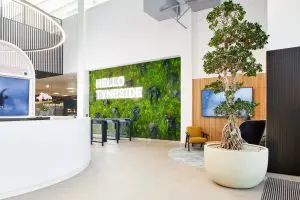
The EE workplace in Tyneside.

2. Access to Nature

The average person in the UK spends just 7% of their time (86 minutes) outdoors during the work week. We truly live in a nature-starved generation.

This has created another modern office demand: access to nature and natural elements in the workplace.

Biophilic design has moved from trend to mainstream. Its benefits are both intuitive and well-documented.

Research points out that biophilic design has a direct positive impact on health, wellbeing, productivity and even creativity. It also often reduces stress and absenteeism in the process.

Planteria group

One study found that 10% of employee absences could be attributed to a lack of connection to nature in the office environment.

In Oktra’s 2023 survey of young office workers, respondents expressed a strong desire for green and outdoor spaces at work. They recognised the ‘huge wellbeing benefits’ these bring.

Oktra identified that ‘workers want green spaces to support their wellbeing’. Their design of the future workplace included a ‘public park’ zone (a lush space with plants and natural light) right inside the office.

Daylight and greenery are fundamental to human nature. They reduce stress, improve mood and concentration and enhance creativity.

Including nature in the office is no longer optional. Workplace certifications, such as WELL or BREEAM, require buildings to include the natural environment.

Planteria group
Fora Wells Mews was designed to replicate a "home-like atmosphere for its occupants".

3. Flexibility

Freedom to choose how and where to work has become a defining employee expectation – even within the office itself. Having experienced the autonomy of remote work, people now look for a similar level of flexibility on-site.

Rather than rows of identical desks, employees prefer a variety of spaces to choose from. The modern office includes quiet nooks, collaboration, standing desks, lounge areas and more. The office should function as an ecosystem of different settings that individuals can select based on their task and mood.

Gensler’s data shows that in recently renovated workplaces, 76% of employees feel they have a choice in where to work on any given day. Those new offices provide better access to diverse space types, from informal meeting areas to private focus rooms.

Flexibility also extends to when and how people come into the office. Many employees now expect the freedom to decide which days they commute in, based on the value they’ll get. They might come in for team meeting days or social events. Working from elsewhere when they need deep focus or personal time. Over three-quarters of workers said professional development and learning opportunities were as important as socialising in motivating them to go to the office. The future office must accommodate this ebb and flow; that means flexible layouts, policies like unassigned seating and an agile mindset about occupancy.

There’s no one-size-fits-all solution. Employers should empower people with a choice of settings and a network of spaces that suit different needs.  

Planteria group
A stunning flexible space created for Convene, Sancroft

4. Purpose and Identity

Modern employees increasingly want their workplace to mean something. A space that reflects a sense of purpose, culture and identity that they can connect with.

This isn’t about posters of company values on the wall. It’s offices that tangibly express what the organisation stands for. Employees need to feel aligned with a greater mission.

Deloitte’s 2025 survey of Gen Z and Millennials highlights how critical this is. 89% of Gen Z and 92% of Millennials say that finding purpose and meaning in their work is important to their job satisfaction and well-being.

When young employees feel that their employer’s values match their own, they are far more likely to be happy and engaged at work. 52% of Gen Z employees who were satisfied that their organisation’s values aligned with theirs, described themselves as happy. Versus only 31% happiness among those who felt a ‘values disconnect’.

Planteria group

Alignment between personal and company purpose clearly boosts morale and loyalty. Office space can play a powerful role in reinforcing that alignment.

Work environments that celebrate the company’s identity help employees feel at home culturally. This is often through branding, storytelling and design which nods to its heritage or history.

Planteria group
For EE Tyneside, we incorporated the company colours into the planting mix.

A company dedicated to sustainability might use reclaimed and upcycled materials in its office. Some companies incorporate their social impact projects into artwork and create an atmosphere that mirrors its values.

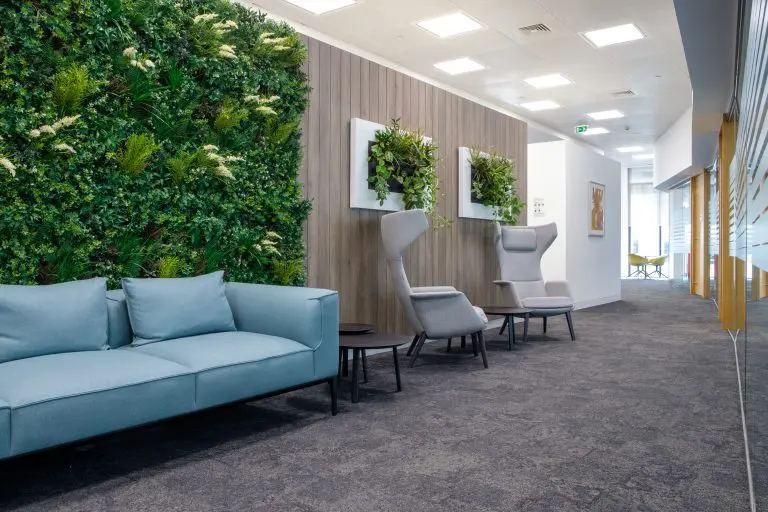
Office lounge seating with sofas, green wall, and modern décor.
For Rabobank, we chose to use the Philodenron Prince of Orange, a plant that carries special significance. Its name connects back to the Netherlands and the House of Orange, reflecting the bank’s Dutch roots.

When people walk into a workspace and immediately sense ‘this is who we are’, it builds pride and connection. On the flip side, a generic or overly corporate office can sap meaning from the daily experience. Companies that do this best listen to their people and shape strategy around them. This ensures the workplace resonates with employees’ own ideals and ambitions. 

modern office FAQ'S

The shift to remote and hybrid work showed people they could work effectively outside the office. As a result, employees now need a strong reason to commute. The office is no longer the default place to work. It must offer things home cannot, such as connection with colleagues, better collaboration and a more engaging environment.

Research points to five core priorities: feeling connected, feeling comfortable, having flexibility, access to nature and seeing their values reflected in the space. These fundamentals matter more than perks or novelty features.

Workers spend long hours indoors, so basics like lighting, temperature, acoustics and ergonomics directly affect their wellbeing and productivity. Surveys show 95 percent of people rate physical comfort as very or extremely important. When comfort is right, people settle more easily, focus better and stay longer.

Good acoustic control, pleasant lighting, stable climate control and supportive furniture are key. Spaces for focused work, small details like soft furnishings and the presence of natural elements also help create a calm, settled atmosphere.

Most UK workers spend very little time outdoors during the week. Exposure to nature – through plants, views, materials or daylight – reduces stress, strengthens wellbeing and can improve mood and creativity. Some studies even link poor access to nature with higher absenteeism. Biophilic design is now widely expected rather than a niche trend.

Research shows that natural elements improve concentration, reduce stress and support overall mental health. Greenery and daylight help people feel more grounded and alert. This is why frameworks like WELL and BREEAM include nature-focused criteria.

It means giving employees a choice of where and how to work. This includes varied work settings such as quiet rooms, collaboration areas, lounge spaces and standing desks. It also refers to flexible policies around when people come in, allowing them to choose office days based on meetings, learning or social connection.

People became used to autonomy during remote work. They want the same sense of choice in the office. When employees can pick spaces that suit their work style and tasks, they feel more in control, work more effectively and are more likely to enjoy their time on-site.

Employees want to feel that the workplace reflects the mission and values of their organisation. When the space expresses culture, heritage or social commitments, people report higher satisfaction and stronger connection. When there is a mismatch, engagement drops.

Through design choices that reflect what the organisation stands for. This could be using certain materials, showcasing stories, embedding brand colours or referencing cultural roots. It works best when it feels authentic and when employees recognise their own values in the environment.

The Role of Planting in Achieving WELL Certification

The Role of Planting in Achieving WELL Certification

The WELL Building Standard has become one of the most recognised global benchmarks for health and wellbeing in the built environment. For organisations, achieving WELL certification is not only about meeting compliance but about creating spaces that actively support the people who use them.

What is the WELL Building Standard?

The WELL Building Standard is a global framework for designing and operating buildings that put human health and wellbeing at the centre. It was launched by the International WELL Building Institute (IWBI) in 2014 and has since been adopted in offices, schools, healthcare, and residential projects worldwide.

Unlike certifications that focus mainly on energy or environmental performance, WELL looks at how the built environment affects people. The standard is organised into categories such as air, water, light, comfort, and mind; each with specific features that buildings can meet to earn points.

Certification is awarded at four levels: Bronze, Silver, Gold, and Platinum. To achieve a higher rating, projects must meet mandatory “preconditions” and then add extra “optimisation” features that earn points. 

HOW CAN PLANTING CONTRIBUTE TO WELL CERTIFICATION?

Within the WELL framework it directly supports both the mandatory requirements and the optional points needed for higher levels of certification. By bringing nature into the workplace, businesses can address several WELL categories at once, including air quality, mental health, and restorative environments.

At the most basic level, plants are required to meet the standard’s preconditions for incorporating the natural environment. Beyond that, they also contribute to optimisations that can take a building from standard certification to Platinum. 

Planting can be the difference between meeting the minimum requirements and achieving the highest level of WELL certification.

WAYS PLANTERIA CAN HELP YOU ACHIEVE WELL CERTIFICATION

Below are the ways planting is required for WELL certification, as well as how it can be used to gain extra points for projects aiming for Platinum.

MANDATORY FEATURES

(Needed to get WELL standard)

To achieve the base standard of WELL building, the following plant related features are mandatory.

Planteria group
INCORPORATING THE NATURAL ENVIRONMENT

(MO2 Nature & Place)

Must include either Plants (potted plants, plant beds, living walls), water feature or Nature views.

Planteria group
SUPPORTIVE MENTAL HEALTH PROGRAMS

(M01 Mental Health Promotion)

Education or awareness efforts on mental health & wellbeing (Planteria offer training on biophilia and using nature to aid wellbeing.)

Dedicated space for restoration & relaxation (Recommended including planting)

EXTRA POINTS AVAILABLE

(Needed to achieve platinum)

To achieve Platinum standard, you need to make up a specific number of points.  This can be achieved with planting through the following ways.

Planteria group
ENCOURAGE STAIR USE

(V03 Circulation Network)

Natural design elements i.e. plants, water features or images of nature can encourage staff to take the stairs.

Planteria group
WELLNESS PROMOTION

(C07 Enhanced Health & Wellness Promotion)

Offer education of the WELL concepts. Education or awareness efforts on mental health & wellbeing (Planteria offer training on biophilia and using nature to aid wellbeing.)

Planteria group
RESTORATION & RELIEF SPACES

(M07 Restorative Spaces)

Promote access to restoration and relief spaces

Planteria group
EXTERIOR BUILDING WALLS

(V05 Site Planning & Selection)

Incorporate biophilic design elements (i.e. plants, water features, nature patterns, natural building materials on all exterior building walls

Planteria group
INCORPORATING NATURE INSIDE

(M09 Enhanced Access to Nature)

To meet this criteria, you must provide a combination of indoor plants (e.g. potted plants, plant beds, living walls) water features or nature views:

  • Within direct line of sight of at least 75% of all workstations and meeting room seats
  • Within 10m of all workstations and meeting room seats

EXAMPLES IN PRACTICE

Planteria has already supported projects that have achieved WELL certification by integrating planting into their design.

JLL Birmingham
(WELL Platinum Certified)

A mix of freestanding planters, cabinet‑top arrangements, and overhead plant displays helped transform this low‑carbon workspace. Planting contributed to the project’s Platinum certification by meeting “Nature & Place” features and enhancing restorative areas.

Goodwin
(Aiming for WELL Gold)

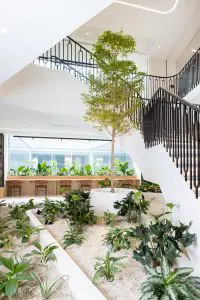
For Goodwin’s London HQ, Planteria delivered a biophilic scheme inspired by “West Coast warmth.” Highlights included a 4 m atrium tree, integrated joinery planting, and a rooftop wildflower wall that supports pollinators. These elements supported both BREEAM Excellent and WELL Gold aspirations.

Rabobank
(WELL Platinum Certified)

Bespoke joinery planting, curved troughs, and freestanding planters softened the office layout. A signature Philodendron ‘Prince of Orange’ mix was chosen to reflect brand identity, while preserved moss art reinforced the bank’s values.

WELL certification is about designing spaces that prioritise people’s health and wellbeing. Planting plays a vital role in this journey. 

By integrating greenery thoughtfully, businesses can create workplaces that not only achieve certification but also foster happier, healthier, and more productive teams.

Planteria’s experience across WELL projects shows that planting is a strategic choice that supports both people and performance.

NEW OFFICE PLANS?

WELL CERTIFICATION FAQ'S

WELL Certification is a global building standard focused on health and wellbeing. It measures how a workplace supports people’s physical and mental health, covering air, water, light, movement, comfort, and connection to nature.


Plants directly support the “Nature & Place” feature, a mandatory part of WELL. They bring natural elements indoors, which helps reduce stress, improve air quality, and create restorative spaces.


Yes. Thoughtful planting can contribute to multiple WELL features, from mental wellbeing to comfort and air quality. This means greenery can not only meet the basic requirements but also help boost a project’s overall score.


Studies show plants can lower stress, support concentration, and encourage positive moods. In workplaces, this translates into happier teams, reduced absence, and better productivity.


The choice depends on light levels, layout, and maintenance needs. Common WELL project selections include resilient species like Kentia palms, Ficus, and Strelitzia, along with living walls for strong visual impact.


Yes, in some form. To achieve WELL Certification, projects must include visible natural elements. Planting is the most effective and flexible way to meet this requirement.


Planteria designs and installs tailored planting schemes that align with WELL features. Our experience across certified projects means we know how to integrate greenery strategically to support both people and performance.


Planting delivers long-term value well beyond certification. Healthy greenery continues to improve air quality, wellbeing, and workplace atmosphere long after the certificate is awarded.

Awards and Recognition

Awards and Recognition

At Planteria, we’re proud to be recognised for our work and to have contributed to award-winning projects across the UK. From industry accolades to client projects celebrated for their design, our planting plays a part in creating spaces that inspire.

our awards

These awards recognise Planteria’s own achievements and our commitment to innovation, sustainability, and service excellence.

Planteria group

CBRE Innovation challenge

ireland 2025 - winner

Awarded for our Engage & Bloom workplace engagement programme.

Planteria group

CBRE Innovation challenge

US 2025 - Winner

Winner of the Best Workplace Experience Innovation Solution

A group of awards on a shelf

sodexo innovative supplier

2025 - winner

The Sodexo Innovative Supplier of the Year 2025, honoured at the Partners with Purpose Supplier Awards.

A glass plaque on a shelf

Lean Transformation

2024 - Winner

Awarded the Lean Transformation of the year from TXM for our implementation of lean principles.

Planteria sustainability strategy

CBRE Innovation challenge

UK 2023 - Finalist

Recognised for our employee engagement programme, now known as Engage & Bloom.

Areca palm plant

Real Living Wage

US 2025 - Finalist

Shortlisted for our Ecoponic substrate innovation. (Winner to be announced October 2025.)

Areca palm plant

Ecovardis

UK 2023 - Finalist

Recognised for our employee engagement programme, now known as Engage & Bloom.

Areca palm plant

sodexo innovative supplier

2025 - winner

The Sodexo Innovative Supplier of the Year 2025, honoured at the Partners with Purpose Supplier Awards.

award winning projects

We’re also proud to have contributed planting to a number of projects that have gone on to win industry recognition.

Planteria group

Kantar HQ

Planteria provided the planting for the Kantar workspace.

Planteria group

250 Bishopsgate - Natwest

Planteria Group supplied the planting for 250 Bishopsgate, supporting their ESG goals and the  wellbeing  of their staff.

Planteria group

Unity Place

Planteria Group supplied the planting for Unity Place.

Jll birmingham, a group of team members sitting in the auditorium

JLL Birmingham

Planteria worked with JLL to prove the planting for their Birmingham workspace.  Read the full case study.

Planteria group

DOJO Bristol

Multiple awards. Planteria provided the planting for Dojos, 54,770 sq ft Bristol HQ.  Read our case study.

Planteria group

TP BENNET - DEUTSCHE BANK

Planteria provided interior planting throughout this landmark workplace, contributing to its award.

240406 convene sancroft

Convene st paul

Our planting helped shape a welcoming environment in this flexible workspace.

Planteria group

BT Bristol

Inclusive, community-led hybrid workspace for BT near Bristol.

Planteria group

Modus - Bentley systems

Premium, hospitality-inspired HQ for Diageo in Soho.

Planteria group

Fora Greencoat Place

Calm, elegant reimagining of historic space.

Planteria group

Diageo Global HQ

Premium, hospitality-inspired HQ for Diageo in Soho.

Planteria group

Three HQ, Reading

Smart, experiential 117k sq ft workplace created in 12 months.

Planteria group

tp bennett – Tyneside EE

Flexible, wellbeing-focused call centre for BT in North Tyneside.  Read our case study.

Planteria group

Fora Greencoat Place

Calm, elegant reimagining of historic space.

Planteria group

Diageo Global HQ

Premium, hospitality-inspired HQ for Diageo in Soho.

Planteria group

Three HQ, Reading

Smart, experiential 117k sq ft workplace created in 12 months.

FAQs: Awards & Recognition

Planteria has received industry recognition for innovation, sustainability, and service. Recent wins include the Sodexo Innovative Supplier of the Year 2025 and Lean Transformation of the Year 2024.


Yes. We’ve been finalists and winners in CBRE Innovation Challenges across the UK, Ireland, and the US, highlighting our impact on a global scale.


Our Engage & Bloom programme and our peat-free Ecoponic substrate have been celebrated for driving workplace engagement and sustainable planting.


Not only. Awards also recognise our operational improvements, like Lean Transformation, and our broader contribution to sustainability and workplace wellbeing.


We’ve supplied planting for celebrated workplaces such as Diageo’s Global HQ, Deutsche Bank, BT Bristol, and Dojo’s Bristol HQ. These projects have won Mixology and other industry awards.


Judges often look at design, wellbeing, and sustainability. Our planting enhances these areas by improving atmosphere, biophilic design impact, and overall user experience.


Yes. They are judged by external bodies such as CBRE, TXM, Mix Interiors, and Sodexo, ensuring recognition comes from respected industry authorities.


No. While many awards come from large projects, our sustainable methods and service standards benefit clients of all sizes.


They show that our approach is tried, tested, and recognised by industry leaders—giving clients confidence in quality, innovation, and sustainability.

We’ve Landed: Planteria Launches in the United States

We’ve Landed: Planteria Launches in the United States

We’ve got exciting news to share – after two years of behind-the-scenes work, we’ve officially launched in the United States. 

Our new headquarters at 460 Park Avenue South in New York marks a major milestone for Planteria Group. But this isn’t just an expansion. It’s a response to something far more meaningful: client demand.

Why We're Here

Our move across the Atlantic wasn’t part of a grand plan for global conquest. In fact, it started with a request from some of our most valued clients:

“We want you to bring the Planteria experience here too.”

And so, we did. We listened. We planned. We built. Now, we’re proud to say that Planteria is officially operating across the Northeast Corridor – from Boston to Washington DC – bringing the same trusted service that our UK clients already know.

Planteria group

What We're Bringing to the Table

Our US launch introduces the same signature service model that’s made us the UK’s leading office planting partner:

  • Biophilic design embedded seamlessly into workplace environments
  • Reliable, worry-free plant maintenance
  • Cost-efficient innovation with our Ecoponic substrate system
  • Enhanced employee engagement through our Engage & Bloom workplace experience program

We already maintain over 90,000 plants in UK workplaces, and now we’re bringing that experience to American businesses seeking consistency, simplicity, and results.

Planteria group

What's Next?

This is just the beginning. While we’re currently focused on the Northeast Corridor, our next destination is already on the horizon: California.

We’re excited about what’s to come – and we’re grateful to the clients who’ve trusted us to take this step with them.

Planteria group

Let's Grow Together

Want to learn more about our US services, innovations, or how Planteria can transform your workplace?

Read More

Discover ways to enhance your office environment with our expert insights on biophilic design, wellbeing, sustainability and the world of plants.

The Complete Guide to Green Walls

The Complete Guide to Green Walls

Green walls (also called living walls or vertical gardens) are installations of plants on vertical surfaces. They appear indoors or outdoors, from office feature walls to full building facades.

Green walls bring several benefits. They improve air quality, reduce noise and add visual interest. 

Inside, they can soften acoustics and lift staff mood. Research links greenery with lower stress and faster recovery.

On exteriors, they help cool buildings by shading and evaporative cooling – cutting wall temperatures by up to 14°C (25°F). 

This guide covers every type of green wall: indoor and outdoor, living and artificial. 

It includes design tips, light level advice, maintenance needs, costs and common questions.

Interior Green Wall Systems

Interior green walls add vegetation to indoor spaces like lobbies, conference rooms and offices. Below are the main categories of interior walls, each with its features, uses, pros, cons and care notes.

Exterior Green Wall Systems​​

Exterior green walls and facades bring plant life to the outside of buildings. They must withstand weather and often provide building insulation and habitat.

Lighting Requirements

Interior living walls need adequate light. Most wall plants require at least 1000 lux at the leaf surface to thrive. In practical terms, this often means installing full-spectrum LED grow lights above the wall. The lights should provide both blue (∼430–440 nm) and red (∼640–660 nm) wavelengths for photosynthesis, though the lighting can be tuned to emit a pleasing white light (for good colour rendering and aesthetics). Light uniformity is important: designers aim for a ratio of minimum/maximum illuminance ≥0.33 so that all plants receive some light.

In technical terms, lighting is measured by Photosynthetic Photon Flux Density (PPFD). A target PPFD of about 35 μmol·m⁻²·s⁻¹ on the foliage is recommended for green walls. Over a full day, plants often need a Daily Light Integral (DLI) of roughly 1.5–4 mol·m⁻²·d⁻¹ (the exact need depends on the plant species). In many offices, natural daylight (even from windows) falls short of this, so supplemental LEDs are used. Work with a lighting engineer or horticultural lighting specialist to calculate lamp power and placement.

Lighting Checklist:
  • Provide LED fixtures rated for plant growth (or use high-CRI white LEDs).
  • Mount lights 1–2 m from the wall for even coverage.
  • Avoid UV-heavy lighting indoors (green wall plants don’t need UV and extra UV can cause fast, ungainly growth).
  • Use timers to give plants ~10–14 hours of light per day (mimicking natural days).
  • In daylight zones, choose plants suited to the light level (shade-loving ferns versus sun-loving bromeliads)
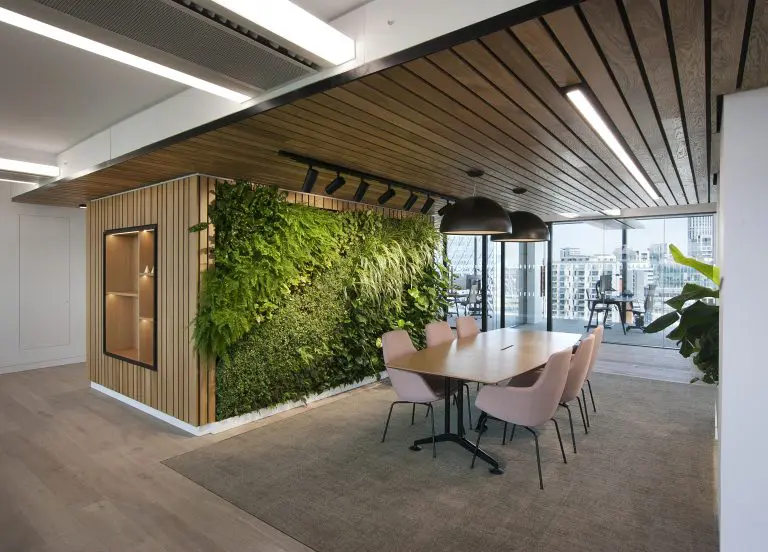
Green wall in an office setting. Ans living green wall with lights and office chairs and table

Planning and Installation Considerations

Before installing any green wall, careful planning is crucial. Key considerations include:

  • Structural Support: Assess the load-bearing capacity of the wall or support structure. A fully saturated green wall can weigh at least 50–100 kg/m² . A structural engineer should verify that the wall and anchorage can handle this weight plus wind or seismic loads. For light planters, ground-anchored frames may suffice; for heavy cladding systems, special hangers and infill panels are used.
  • Waterproofing and Drainage: Any irrigation leaks can damage the building. Install a waterproof membrane or gutter behind the green wall to collect overflow. Provide proper drainage lines to carry excess water safely away. In exterior walls, plan for stormwater connection or soakaway (for interior, a drip tray and drain to plumbing).
  • Irrigation System: Most living walls require an irrigation pump and control unit. The pump, pipes, and possibly a nutrient reservoir often live in a nearby cabinet or “plant room”. Ensure you have space and access for this equipment. Plan piping routes from a water source and to the wall, and include backflow prevention as needed. In cold climates, winterize exposed pipes.
  • Orientation and Environment: Consider sunlight, wind, and heat. South/west walls receive intense sun and can support more sun-loving plants, whereas north walls need shade-tolerant species. Also note any heat sources (e.g. windows, HVAC vents) that might stress plants. Plan for microclimate: walls under eaves get rain, exposed facades dry out quickly. 
  • Access for Maintenance: Life safety is key – plan how gardeners will reach the wall. Include scaffolding anchors, permanent catwalks, or ensure space for lifts. Design for occasional removal of panels or trimming from a platform.
  • Safety and Codes: Check fire codes (some panels must meet Class B-s3,d2 ratings for cladding). Use materials rated for interior use if inside, or UV/weather-resistant products outside. In some jurisdictions, green facades or certain heights may require permits or consultations.
  • Electrical and Other Services: Indoor green walls may need lighting or pumps – plan electrical circuits. Ensure any electrical equipment is rated for the damp environment of a green wall.
  • Integration: Coordinate with other building systems. For example, make sure irrigation water can connect to building plumbing. Avoid routing irrigation over electrical fixtures. Incorporate the green wall into the architectural design (e.g. make irrigation controls accessible, integrate base planters as furniture).

By addressing these factors up front, you ensure the green wall will perform reliably.

Planteria group

Maintenance and Aftercare

Ongoing care is essential for long-term success. Living walls require routine inspections and horticultural upkeep similar to a garden or greenhouse. Below are the typical maintenance tasks:

  • Regular Watering/Irrigation Checks: Verify that drip tubes or hydroponic lines are flowing. Check timers and sensors. In hydroponic systems, replenish nutrient solution and monitor pH. In soil systems, ensure the medium remains moist (but not waterlogged). If the wall is outdoors, adjust watering for season (more in summer, less in winter).
  • Pruning and Trimming: Trim back any overgrown plants to maintain design shape and light exposure. Remove dead or diseased foliage promptly. In high-growth species, monthly pruning is common.
  • Plant Replacement: Replace plants that die or fail to thrive. A good plant company will include free plants replacement in their maintenance contract.
  • Cleaning Filters and Drippers: Clean or replace filters, flush lines to prevent algae or mineral buildup (especially in hydroponic or hard-water areas). This prevents clogs and root rot.
  • Fertilization: Depending on the system, add fertilizer to the irrigation water or apply to soil periodically. Many green wall plants are light feeders, but replenishing nutrients ensures vigor.
  • Inspect Structure: Check that panels and supports remain securely attached. Look for leaks, eroded support brackets, or corrosion. Repair any membrane damage immediately to prevent water ingress.
  • Pest and Disease Control: Watch for insects (aphids, scale) and fungal issues.  Since plant density is high, infestations can spread rapidly if unchecked.
  • Seasonal Tasks: In climates with cold winters, plants may need some protection (e.g. remove sensitive species or use temporary covers). In summer heat, increase irrigation frequency. Remove leaf litter or debris that accumulates on the wall.

Overall, consistency is key. The long-term success of a living wall is dependent upon a robust maintenance and care program. Neglecting maintenance will quickly lead to plant loss and system problems.

Inspiration and Gallery

Explore what’s possible with green walls – real projects, real impact.

Some Frequently asked Questions

A green wall (also called a living wall or vertical garden) is a vertical surface covered with plants. It can be inside or outside, and may use live, artificial, or preserved greenery.

Green walls improve air quality, reduce noise, boost wellbeing, and enhance building aesthetics. Outdoors, they also cool buildings and support biodiversity.

A living wall is a type of green wall that uses real plants, water, and nutrients. “Green wall” is a broader term that can also include artificial and preserved moss systems.

Living walls, artificial walls, preserved moss walls, living pictures, and mobile green dividers are all popular in office spaces. The best type depends on light levels, budget, and maintenance capacity.

Yes. Most living walls need at least 1000 lux at plant level. In darker areas, full-spectrum LED grow lights are usually installed.

Living walls require regular watering, pruning, plant replacement, and irrigation checks. A maintenance contract is recommended for consistent care.

Yes. You can use artificial green walls or preserved moss walls, both of which need no light. Living walls can work too, if fitted with grow lights.

These are freestanding plant panels on wheels or stable bases. They divide space while adding greenery and can be moved or reconfigured easily.
Outdoor living walls use robust frames and irrigation systems. They attach to buildings or freestanding structures and use climate-suited plants to create living facades.
Yes. Studies show green walls can reduce exterior wall temperatures by up to 14°C. This can lower internal cooling demand and improve energy efficiency.
Yes. Artificial green walls and ivy screens require little upkeep. Wildflower walls need seasonal care but are designed for biodiversity rather than appearance.

Saturated living walls can weigh 50–100 kg per square metre. Always check structural capacity with an engineer before installation.

Key requirements include a load-bearing surface, waterproofing, drainage, irrigation system, and adequate lighting. Maintenance access must also be considered.

Costs vary by size, system type, and complexity. Living walls have higher upfront and maintenance costs. Artificial and moss walls are cheaper long-term.

Exterior installations might, depending on size, height, and local regulations. Interior walls generally don’t. Always check with your local planning authority.

Typical contracts include watering, fertilisation, pruning, plant replacement, pest checks, irrigation system checks, and structural inspections.

It's possible, but professional maintenance is recommended to ensure irrigation, lighting, and plant health are managed properly.

Yes, when designed well. Living walls can reduce heat gain, capture rainwater, and support biodiversity. Using UK-grown plants and peat-free media can further reduce environmental impact.

It’s a real moss installation treated with natural preservatives. It stays soft and green without growing, and doesn’t need water, light, or soil.

High-quality panels can be very realistic, especially from a short distance. However, up close, it is almost always possible to tell they are not real.  They’re best for low-light or low-maintenance settings where a real wall wouldn't be practical.

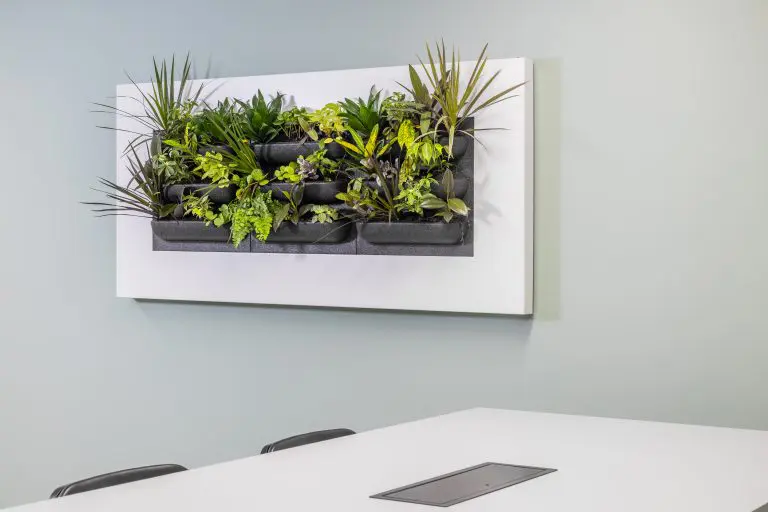
 A living picture is a framed arrangement of live plants, hung like artwork. It’s a compact green wall suited to small or decorative spaces.

The Most Sustainable Planting Scheme

The Most Sustainable Planting Scheme

At Planteria, sustainability isn’t just words on paper – it’s built into everything we do.

From the way we transport our technicians to the materials we use in our planting schemes, we’re committed to reducing environmental impact at every stage.

Here’s how we’re leading the industry with the most sustainable planting scheme available today.

Planteria group

Walking Plant Technicians

100% Public Transport

While electric and hybrid vehicles are a step forward, we believe there’s an even smarter way to cut emissions and ease congestion.

That’s why we introduced our ‘walking technicians’—a team that travels entirely on foot or by public transport. No vans. No traffic. Just a more efficient and sustainable way to work.

They’re backed by one central shuttle, which delivers any replacement plants or equipment needed for the day. The result? We save more than 25,000 miles of van travel every year. That’s fewer emissions, less fuel, and cleaner air for everyone.

It’s a simple idea, but one that’s making a real difference.

Modus office plants

UK Grown Plants

Less Road MIles

The majority of indoor plants sold across Europe are grown in the Netherlands. It’s a long-standing supply chain – but one we’re working to shift.

By growing plants here in the UK, we cut down on transport miles, reduce emissions, and create local jobs. It means fresher plants, faster delivery, and better support for the British economy.

We believe the future of indoor planting should be greener in every sense of the word – and more rooted in local soil.

Planteria group

Ecoponic Substrate

Saving our vulnerable peat-lands

Regular compost used for growing plants can contain up to 90% peat.

This peat is dug up from peatlands.  These natural wetlands are absolute vital for not only plants and wildlife, but also storing carbon.  It takes 1,000 years for one metre of peat to form!  But over 80% of the UK peatlands are already damaged.  

Our vulnerable peatlands are being excavated at the expense of our fragile environment.

Peatlands cover only around 3% of the world’s land area, but they store 30% of soil carbon.

A loss of only 5% of UK peatland carbon would be equal to the UK’s annual greenhouse gas emissions.

Sunset over a uk peat field - home to a host of wildlife and carbon storage.

At Planteria we knew we had to do our bit to protect our vulnerable peatlands and the wildlife that call them home.   We can now offer a zero-peat alternative to soil.  

We call it Ecoponic. 

what is ecoponic?

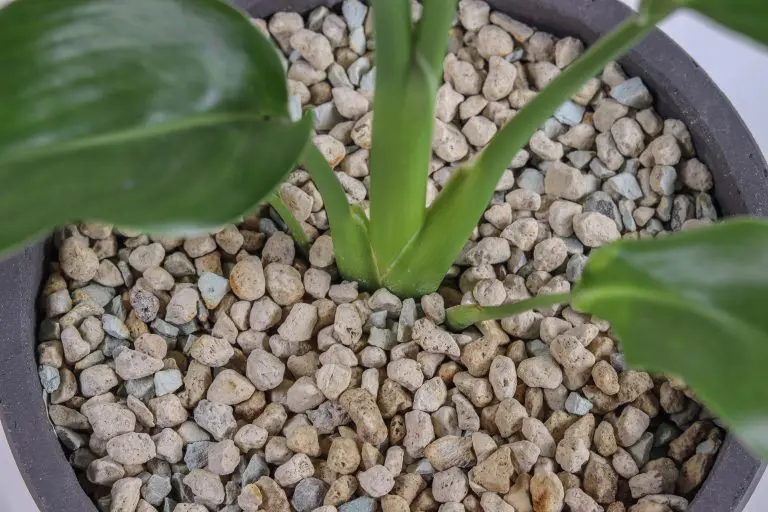
Officially classified as a Vulcaponic Substrate – it’s a recipe of pumice, zeolite and the perfect mixture of fertiliser for optimum plant growth.

Now almost 100% of the plant displays that go through our warehouse are planted in Ecoponic.  

Ecoponic logo
Ecoponic substrate

Peat Free

Peat is commonly found in compost due to its water retention and nutritional qualities.  The natural wetlands where Peat is found is critical to the survival of plants and wildlife. Not only that, but peat bogs store huge amounts of carbon which must be kept in the ground to avoid contributing to climate change.  

Ecoponic is 100% soil free.  This helps to protect our vulnerable peatlands – protecting wildlife and reducing carbon emissions. 

Reduced Water use

Ecoponic is very efficient at storing water.  It can absorb up to 44% of it’s weight in water.  During the watering, the grains absorbed it and no water remains in the pot. The roots slowly absorb the moisture from the substrate. This not only benefits the plant, it also reduces the amount of water used.

Less chance of flies or pests

Flies and pests can be an incredibly annoying problem in an office environment.  As Ecoponic contains no organic material, there is almost no chance of soil-borne pests. 

Infinite Lifecycle

It is permanently structurally stable (it will not break down or compact) this keeps the soil more airy and allows the roots to absorb enough oxygen.     

Ecoponic can be reused and recycled infinitely.

Planteria group

Recycled & Sustainable Planting Containers

We offer a wide range of planting containers designed with sustainability in mind—each one made using recycled or low-impact materials to reduce waste and lower your carbon footprint.

Planteria group

Pots made 100% from recycled waste

Planteria group

Pots made from recycled materials including marine debris, artificial grass, textiles and more

Planteria group

Pots produced using 100% wind energy


Planteria group

Living wall system largely made from recycled clothing

Planteria group

Planters made from upcycled pallets

Planteria group

Plants donated to the local community

We regularly donate surplus plants and flowers to local groups, schools, and those who need them most. Over the years, we’ve supported several schools by helping them green their classrooms and create outdoor nature areas for pupils to enjoy.

Our plants and pots are also popular in the community. Locals often give old containers a new life, reusing and repurposing them so the plants can keep growing in new homes. It’s a simple way to share the benefits of greenery while reducing waste.

Planteria group

Ecovadis

As part of our commitment to society, our people and the environment, Planteria has completed a thorough assessment of its business sustainability practices through EcoVadis, a global leader in business sustainability assessments. The EcoVadis assessment includes 21 sustainability criteria across four core themes: Environment, Labor & Human Rights, Ethics and Sustainable Procurement.

We are pleased to announce that we have received our EcoVadis rating in 2025.

Planteria group

plant grow pots 100% recycled

Zero waste to landfill

We are a zero waste to landfill company, and we take that seriously at every stage of our work.

In the Netherlands alone, over 3 billion plastic plant grow pots are used each year. Most planting companies send these pots to general waste, claiming they are too difficult to recycle due to mixed materials or contamination.

At Planteria, we do things differently. Every single grow pot that comes through our nursery is sorted and recycled properly. We work with specialist recycling partners to make sure these plastics stay out of landfill and are given a new purpose.

It takes more effort, but it’s the right thing to do. And it’s one more way we reduce waste across our supply chain.

Planteria group

pollinator friendly planting

Planting for the planet

Planting to support biodiversity is more than just good for the environment — it’s a great way to bring people together. It offers a hands-on opportunity for staff to get involved, whether by helping choose the plants, taking part in planting days, or simply enjoying the wildlife that follows.

We’ve seen it spark real interest and conversation across teams. It brings life to terraces and outdoor areas, turning them into spaces people want to spend time in. The result is not just a boost for nature, but a lift in staff engagement and well-being too

Planteria group
Planteria group

habitats for nature

making the office a destination (for nature)

Make your site a destination for pollinators with our bespoke pollinator habitats.  Handcrafted, bespoke made here in the UK with sustainably grown wood from managed forests.  Custom made in the shape of your logo, name or nearly any shape you chose!

We can also craft the perfect design for you, incorporating sustainable and nature supporting products such as bee baths, bird boxes, worm buffets, bird feeders and more. 

This is the perfect pairing for our bee friendly planting schemes.  

Find out more here.

The most sustainable planting scheme FAQ's

Our approach tackles sustainability at every stage, from zero-peat planting substrates and recycled pots to walking technicians and zero waste to landfill. It’s a complete system, not just a single eco-feature.


Ecoponic is a peat-free, soil-free substrate made from pumice and zeolite. It stores water efficiently, reduces pest problems, and protects peatlands - vital carbon sinks that take millennia to form. Unlike soil, Ecoponic doesn’t break down, meaning it can be reused indefinitely.


Most European indoor plants are imported from the Netherlands, creating long supply chains. Our UK-grown plants drastically reduce transport miles, lowering emissions while supporting local jobs and the British economy.


Planteria’s ‘walking technicians’ travel on foot or by public transport instead of in vans. This cuts over 25,000 miles of vehicle travel each year, reducing congestion, emissions, and fuel consumption, especially in urban centres.


Yes. We offer a wide range of pots made from recycled waste, marine debris, upcycled pallets, textiles, and even wind-powered manufacturing processes. Some living walls are made from old clothing.


We ensure all plastic grow pots are properly sorted and recycled through specialist partners. Unlike others in the industry, we don’t send any waste to landfill, even the hard-to-recycle bits.


We offer pollinator-friendly planting schemes and custom-built habitats like bee hotels and bird boxes. These not only support local wildlife but also create beautiful, engaging outdoor spaces for staff.


Absolutely. Our biodiversity planting schemes often include staff planting days or team input into plant selection. It’s a great way to boost engagement while supporting the planet.


EcoVadis is a respected global sustainability rating system. Planteria’s 2025 assessment covered our performance in environment, ethics, human rights, and sustainable sourcing, offering third-party validation of our commitment.


Yes. We regularly donate surplus plants and containers to schools, community groups, and those in need. It reduces waste and helps spread the benefits of greenery far beyond the office.

Yes, we handcraft bespoke habitats from sustainable UK-grown wood. We can design them in the shape of your company logo or create themed nature zones with bird boxes, bee baths, and more.

Read More

Discover ways to enhance your office environment with our expert insights on biophilic design, wellbeing, sustainability and the world of plants.

The Science and Strategies Behind Engage & Bloom

The Science and Strategies Behind Engage & Bloom

Harnessing nature for workplace wellness and engagement

This resource explores the science and strategies behind Planteria Group’s Engage & Bloom workplace experience programme. It will show how the programme provides employees, organisations and facilities managers with several key benefits from both a commercial and wellbeing standpoint.

Key theories and frameworks are identified, demonstrating the scientific and strategic theory that underpins the Engage & Bloom programme.

Planteria group

An Introduction to Engage & Bloom

Engage & Bloom is a science-backed employee experience
programme that is centred on the principles of biophilia and its scientifically
proven benefits in terms of productivity and wellbeing. Such benefits are
achieved through harnessing the power of nature to create inspirational spaces.

The Engage & Bloom programme teaches clients how to look
after their plants at home, as well as inspiring them in the world of planting
and nature through a range of engaging experiences, including workshops,
interactive QR codes, and educational pieces. 

Workplace experience program by planteria group

The Modern Workplace Challenge

The modern workplace presents numerous challenges to ensure employees are working at an optimal level that benefits both the individual and the wider organisation. Since 1950, research suggests that we have gradually become more disconnected from nature and the benefits it provides.

A 2023 study by the UK Government identified that people spend 80-90% of their time indoors. To make matters worse research suggests that on average an office worker spends 12 hours per day looking at a screen.

Offices commonly experience a disconnect from nature, due to urban environments and sterile interior settings, as well as the growing importance of technology that has often acted as a substitute for nature as a source of recreation and entertainment. 

Increasing Importance of Well-being and Engagement for Productivity

Engage & Bloom is based on the concept of biophilia, which refers to a human being’s innate desire to connect with nature. This is further reinforced by numerous scientific findings, notably an experiment conducted by the Chelsea Flower Show.

This experiment invited participants to take part in a study that measured their creativity, happiness, and productivity across a variety of different workplace designs. The results found that allowing staff to make design decisions in a workspace enhanced with office plants can:

·       Increase well-being by 47%

·       Increase creativity by 45%

·       Increase productivity by 38%

These findings highlight the significant benefits that simply being around plants can have on employees. However, the interactivity of the Engage & Bloom programme enables organisations and their employees to harness these benefits to an even more powerful extent.

The Innate Human Connection to Nature: Biophilia

Biophilia is described as ‘an innate love for the natural world, supposed to be felt universally by humankind.’ The biophilia hypothesis is based upon the belief that humans have an inbuilt tendency to seek connection with nature and other forms of life.

In fact, the word biophilia is a combination of two ancient Greek words: bio (meaning life) and philia (meaning love). The term was first used by German social psychologist Erich Fromm, who claimed that biophilia manifests as the ‘wish to further growth, whether in a person, plant, idea, or social group.’

The growing awareness and popularity of biophilic design is indicated in the below graph, which demonstrates how the word biophilia, along with related keywords, has seen a significant spike in how frequently it is mentioned in publications, particularly from 2008 onwards.

Planteria group

Engage & Bloom is a solution that combines both science and strategy through engaging workplace activities. As well as improving productivity and wellbeing, Engage & Bloom also promotes teamwork and fosters connections with nature and one another.

The Engage & Bloom programme applies Fromm’s concept of growth in terms of people, plants, and social groups by giving individuals the opportunity to enjoy a shared experience that connects them with plants and nature both on an individual and group level.

Planteria group

The Science of Wellness in the Workplace

Workplace wellbeing encompasses how employees feel at work and about work, with a focus on developing and displaying healthy behaviours.

More specifically, it can include some of the following elements:

  •         A positive working environment
  •         Job satisfaction and purposefulness
  •         Good leadership and management
  •         Pay and reward
  •         Personal development
  •     Physical and mental health

Planteria group

Impact of Stress, Poor Air Quality and Sterile Environments on Staff

Factors such as stress, poor air quality, and sterile environments can all have a negative impact on workplace wellbeing. Poor workplace mental health has been estimated to cost UK businesses an incredible £45bn each year. Furthermore, Lumien data reveals how wellbeing impacts employees 27% of the time, and as a result, companies are losing 17% productivity.

Annually, this equates to £5,318.45 per employee, representing a significant organisational cost that could be mitigated through the implementation of wellbeing-focused initiatives.

Scientific Evidence Supporting Biophilia

Taking an evidence-based approach to workplace wellbeing allows employers to understand their employees wants and needs, along with areas of improvement.

According to the Mental Health Foundation, 45% of people reported that visiting green spaces helped them to cope. Likewise, Harvard research finds that spending 20 to 30 minutes in an outdoor setting where people feel they are interacting with nature can lower stress hormone levels.

Planteria group

Cognitive and Productivity Benefits of Greenery in Offices

The concept of biophilia is supported by various studies and frameworks, including Kaplan’s Attention Restoration Theory which found that exposure to nature reduces mental fatigue, as well as helping improve focus and our ability to concentrate.

Likewise, Ulrech’s 1981 Stress Reduction Theory claims that natural environments promote recovery from stress, while urban environments tend to hinder it. 

Planteria group

The Psychological Basis of Nature Engagement

According to the National Library of Medicine, individuals have less mental distress, less anxiety and depression, greater wellbeing and healthier cortisol profiles when living in areas with more greenspace.

This is reinforced by NHS research, which found that people who spend at least two hours a week in nature experience better health and higher psychological wellbeing than those who do not visit nature at all during an average week.

Planteria group

Sensory Benefits of Plant Interaction

Sensory planting encourages an increasingly engaging and
meaningful experience with plants, stimulating senses, including smell, sound,
touch, and sight.

According to the RHS, selecting plants that are particularly
good for your senses can improve mood and general wellbeing. 

Examples of plants with sensory benefits include:

·       Fragrant flowers, such as lavender, jasmine, and rose

·       Herbs, including mint, basil, and rosemary

·       Plants with a particularly textural appearance include lamb’s ear, ferns, and ornamental grasses.

·       Vibrantly coloured plants that satisfy the visual sense

·       Edible plants such as strawberry plants

Planteria group
Our Vertical Horizons towers can be used to grow herbs, salads and edible produce in the office.

Employee Engagement: Why it Matters

In their 2023 State of the Global Workplace Report, analytics and advisory firm Gallup found that nearly 6 in 10 employees are feeling disengaged at work. Traits of disengaged employees can include demotivation, missed deadlines, disinterest in team activities, and avoidance in taking initiative.

Such behaviours have also been described by the term ‘quiet quitting,’ whereby a disengaged employee only fulfils the bare minimum of their duties.   

Planteria group

The Impact of Disengagement

Employee disengagement can result in several issues, both for an individual’s wellbeing and the organisation. Decreased productivity is a key risk of disengaged employees, along with high absenteeism and turnover rates and the subsequent recruitment and training costs.

The 2023 State of the Global Workplace report found that disengaged employees are estimated to cost the global economy $8.8 trillion dollars, which represents 9% of global GDP. As well as the financial implications, employee disengagement also results in an adverse impact on team morale, which may cause an overall reduction in workplace productivity and innovation due to an unfavourable working environment. 

Planteria group

The Role of Nature in Engagement

Biophilic design can be classified into six key principles illustrated below:

Planteria group

The last two principles provide a clear insight into how biophilic design can foster a sense of purpose and belonging. Place-based relationships refer to the link between culture and ecology. This is based upon a human’s sense of connection with familiar surroundings and feelings of protection or stewardship towards such places, known as Place Attachment Theory.

A study published in the Journal of Environmental Psychology investigated the connection between green buildings and place attachment. It found that biophilic design and opportunities for connection to nature were amongst the most important aspects for supporting Place Attachment Theory and can enhance individual wellbeing, quality of life, as well as increase pro-environmental behaviours and community resilience.

When coupled with the attachment to nature and health and wellbeing benefits that biophilic design provides, it is clear to see the powerful impact that spaces with a strong biophilic element can have on an individual’s sense of belonging within that space. 

Planteria group

How Interactive Experiences with Plants Create Meaningful Connections

Direct contact with vegetation represents one of the most successful ways of promoting human connection in design. Dr. Stephen Kellert claims that human evolution and survival require the management of natural environments, particularly with regards to sensory elements. Moreover, DelSesto highlights the variety of often overlooked ways that we interact with plants in daily life.

From clothing to writing materials, plants are used to produce essential daily items. What’s more, the exchange of plants as a mark of celebration or condolence highlights their powerful role in landmark events in our lives.

DelSesto’s below spectrum categorises people-plant interactions into key groupings: physical exertion, tactile immersion, and peaceful abiding. Different aspects can align particularly strongly with some of the identified benefits of biophilia. For example, interactions classified under the ‘peaceful abiding’ grouping are likely to be closely aligned to the benefits of stress reduction, while those classed as ‘tactile immersion’ may be particularly effective at boosting engagement and concentration.

Planteria group

Strategies Behind Engage & Bloom: Tailored Solutions for Every Workplace

Engage & Bloom comprises three modular packages, allowing tailored solutions for every workplace. In addition to an informative biophilic webinar, employees can dial in live and speak to our ‘Plant Doctor’ who will advise on care and maintenance of specific plants. 

Furthermore, there is the opportunity to identify and learn about plant species simply by scanning a plant’s QR code, which brings up the relevant page of the Plantopedia. Silver and gold packages also include interactive and engaging biophilic-based workshops, which can encompass activities such as wreath making, floristry, and orchid arrangement.

Planteria group

Flexible Solutions to Suit Workplace Needs

Engage & Bloom is focused on creating tailored solutions for every workplace. The flexibility of several key offerings within the programme allows employers to implement activities in accordance with their workplace’s needs and schedules.

Plant giveaways, biophilic webinars, and workshops can be scheduled at a convenient time and location for the business, whether it is on-site or at a separate location as part of an out-of-office event.

Engagement Through Experience

According to Michigan State University, there are many activities workplaces can implement to improve group cohesion and build trust.

Such activities often give employees the chance to interact with colleagues in a different way and reveal different aspects of their personalities that may not come out during normal work interactions.

Other advantages of team building include:

  •     Boosting employee engagement
  •     Encouraging communication
  •     Mitigating  conflict
  •     Increasing  collaboration

Engage & Bloom workshops provide an opportunity for employees to experience these benefits, whether working directly together or enjoying a shared experience alongside each other to produce wreaths, orchid displays, and floristry bouquets.

As noted by McKinsey & Company, being amongst nature helps with attention span, creativity, well-being, and happiness and should act as a foundational resource for both individual and team development.

How Interactive Learning Builds Deeper Connection

Referring to DelSesto’s spectrum of people-plant interactions, the different activities within the Engage & Bloom programme can be classified within this framework. Floristry bouquets, moss art, orchid and wreath making workshops are categorised under the ‘tactile immersion’ category due to employees’ physical interaction with plant materials.

Other aspects of the Engage & Bloom programme, such as plant giveaways, dial-in plant clinics, and identifying plant species using a QR code and Plantopedia are categorised under the ‘peaceful abiding’ category, due to their focus on sensory engagement with plant environments and representations of plant environments. Such interactive and informative activities can promote deeper connections within the workplace.

The social element of a shared workplace activity can help employees to feel connected to one another and the activity. According to Times Higher Education, feeling connected to what is being learnt and the people one is learning alongside is what underpins engagement. They go on to state that feeling socially connected enhances an individual’s sense of belonging, which is essential to maintain motivation and feelings of safety and comfort.

Employee Satisfaction Surveys

Employee satisfaction following increased interaction with biophilia can be measured in several ways. Heightened creativity may be evident in subsequent projects and brainstorming sessions, while reported increases in productivity can also be observed.

Organisations may find that outlined objectives are being reached increasingly quickly and projects are completed ahead of schedule. In terms of wellbeing, employers may observe a positive change in the overall mood and atmosphere within the workplace

Client Success Stories

Recently, we brought the Engage & Bloom program to a leading social media platform’s London office. Employees fully embraced the experience, from learning about plant care to taking home their own plant, the event left lasting impressions and fostered stronger connections with nature in the workplace. 

The client shared the following feedback after the event: “I’m so happy that you shared some beautiful pictures with me today. The plants look amazing, and I was extremely happy to see the engagement with our members; they looked happy. Well done to the Planteria team!”.

Planteria group
Planteria group
Planteria group

Case Studies

Engage & Bloom activities have been successfully implemented in a diverse range of workplaces and industries.

Wreath making makes a particularly popular seasonal workshop that can be adapted to the season, whether it is over the festive period, autumn, or spring. As such, materials can also be adapted to suit the season, theme, and even the organisation’s brand colours, creating a truly personalised experience for each individual workplace.

Planteria group
Planteria group
Planteria group

Quantifiable Benefits for Staff Engagement and Wellness

Awareness and application of biophilia within the workplace, through biophilic design elements in the office and Engage & Bloom engagement activities can be quantifiably measured using numerous metrics.

The outlined body of scientific research strongly suggests that organisations would see a reduction in absenteeism and the number of cases of reported stress and wellbeing-related issues when biophilic design and activities are regularly implemented within the workplace.

Implementing Engage & Bloom

According to the KPMG 2024 CEO Outlook Report, the majority of UK CEOs expect companies to shift towards a full return to office work within the next three years. As such, it is important for facilities professionals to look at ways to create calming and inviting workplaces.

The implementation of biophilic design principles is a key way to achieve this and demonstrate the facilities manager’s commitment to wellbeing and engagement. Introducing new and innovative biophilic initiatives can help facilities managers to further strengthen their client relationships and demonstrate proactive awareness of scientific and strategically backed initiatives that benefit their clients.

Preparing for an Engage & Bloom Rollout

The Engage & Bloom team will contact you to book in your events on a date that is convenient to your team.  They will talk through the options with you and help you choose the best event type to suit your team, goals and/or the time of year. 

For example, the wreath building workshop is most popular in Quarter 4 – as staff get to take home their own handcrafted wreath ready to decorate their home for Christmas.The Engage & Bloom team will identify what sort of space they need to hold the workshop or activities. 

We recommend sending out company-wide communications for the larger events or specific invitations to the workshops.  Allow staff enough time to ensure they are in the office on the specific days.  The anticipation of a fun and engaging event can be a engagement piece in itself – reminding them that the company is committed to their wellbeing and have them looking forward to the event.

Planteria group

Partnership with Planteria Group

Planteria Group is committed to delivering tailored solutions for each individual workplace. With three packages available, employers can choose the one that is best aligned to their budgetary and organisational needs, with each package consisting of several Engage & Bloom initiatives. Silver and Gold packages also let organisations choose between 2-4 yearly workshops, with the opportunity to pick from several different workshop options and tailor them to suit their organisation’s needs.

Conclusion

Engage & Bloom is rooted in a scientific foundation. It’s based upon the key principles identified in Kaplan’s Attention Restoration Theory regarding nature exposure reducing mental fatigue.  It is also based on Ulrech’s 1981 Stress Reduction Theory and its belief that natural environments promote recovery from stress.

Engage & Bloom harnesses the power of nature in the form of interactive initiatives that improve cohesion, build trust, and encourage enhanced team relationships.

As highlighted, the implementation of an Engage & Bloom workplace experience programme provides several key benefits, both in terms of individual employee wellbeing, productivity, and creativity. Additionally, there are a multitude of wider organisational benefits, including reduced absenteeism, labour turnover, and heightened team morale.

Discover tailored solutions that provide organisational, individual, and team benefits. Let us help you transform your workplace today.

About Planteria Group

Planteria is the UK’s leading office plant company, operating as an independent, family-run business of experts for more than 40 years and maintaining over 90,000 plant displays nationwide. We are committed to creating best-in-class biophilic design and have worked on some of the UK’s most prestigious projects. 

You’ll find our work in offices, showrooms, and public buildings across the UK. Our Services: Design, installation and maintenance of planting for workplaces.  Interior and exterior biophilic design, living walls and moss walls. We also offer corporate floristry and seasonal decorations, including orchids, Christmas trees and more workplace experience services via our Engage & Bloom Programme.

Contact Information

ENGAGE & BLOOM TEAM

T: 0345 505 3333

E: engageandbloom@planteriagroup.com

Read More

Discover ways to enhance your office environment with our expert insights on biophilic design, wellbeing, sustainability and the world of plants.