

It looks like you are visiting this site
from outside the UK region.

Go to US site

Pollinator Habitats for Workplaces

Pollinator Habitats for Workplaces

More workplaces are looking for meaningful ways to support biodiversity. From rooftop terraces to courtyards, facilities managers and designers are being asked to show how the built environment can help the natural one.

Employees increasingly want to see action too.  Visible, tangible initiatives that they can connect with, and even share on social media. Supporting pollinators is one of the simplest and most effective steps a workplace can take.
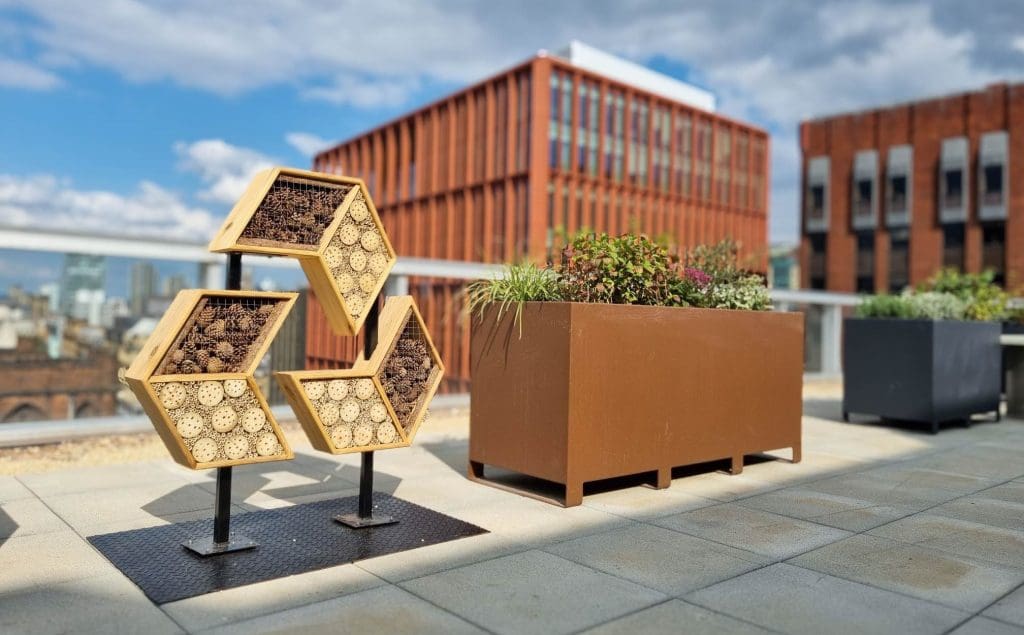
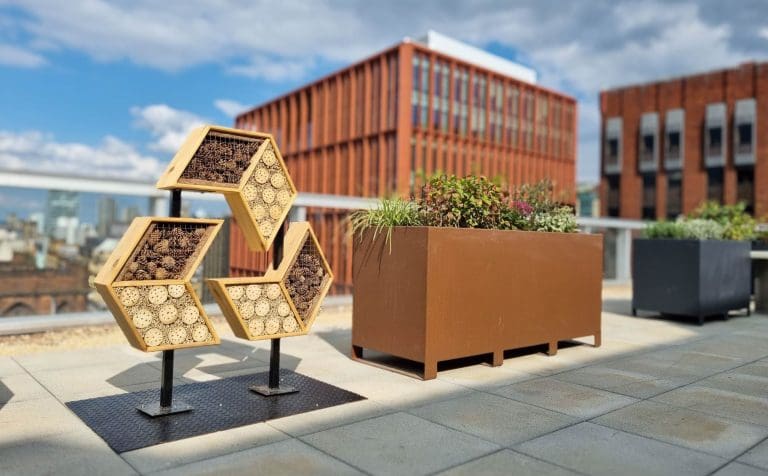
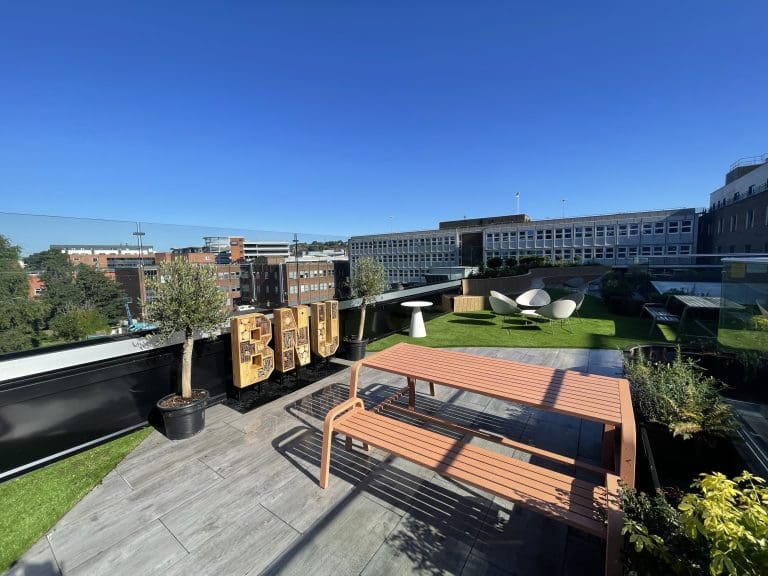
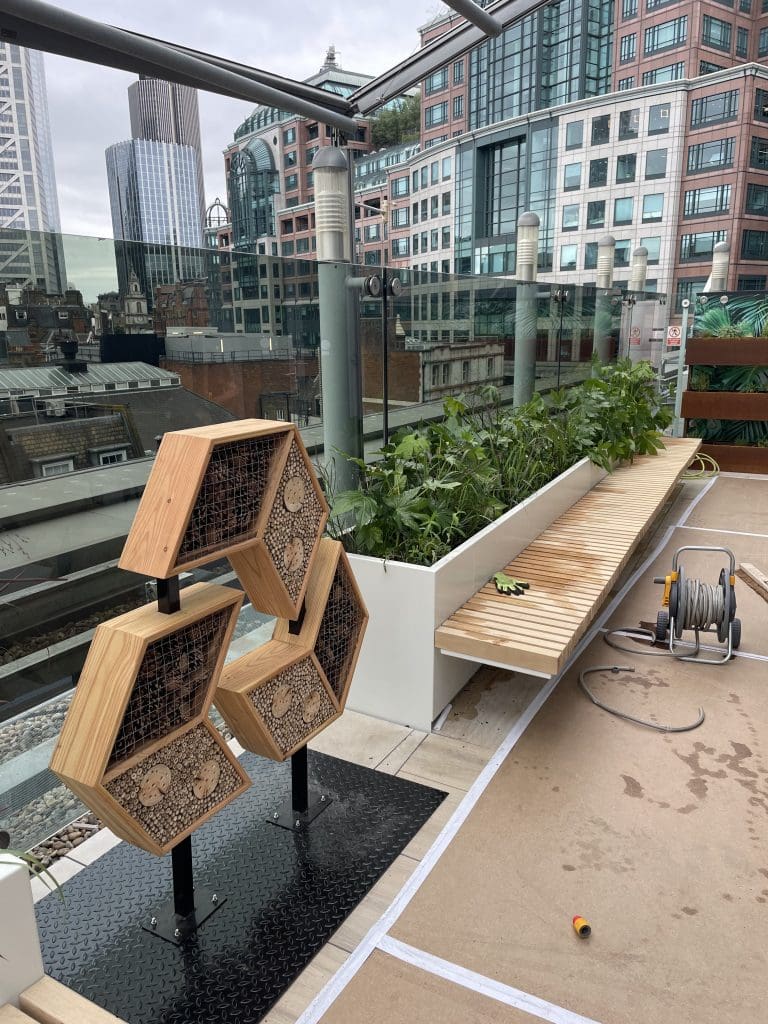
Rooftop pollinator habitat installation featuring stacked hexagonal frames filled with bamboo and wood, next to a red modern building.

Introducing pollinator habitats

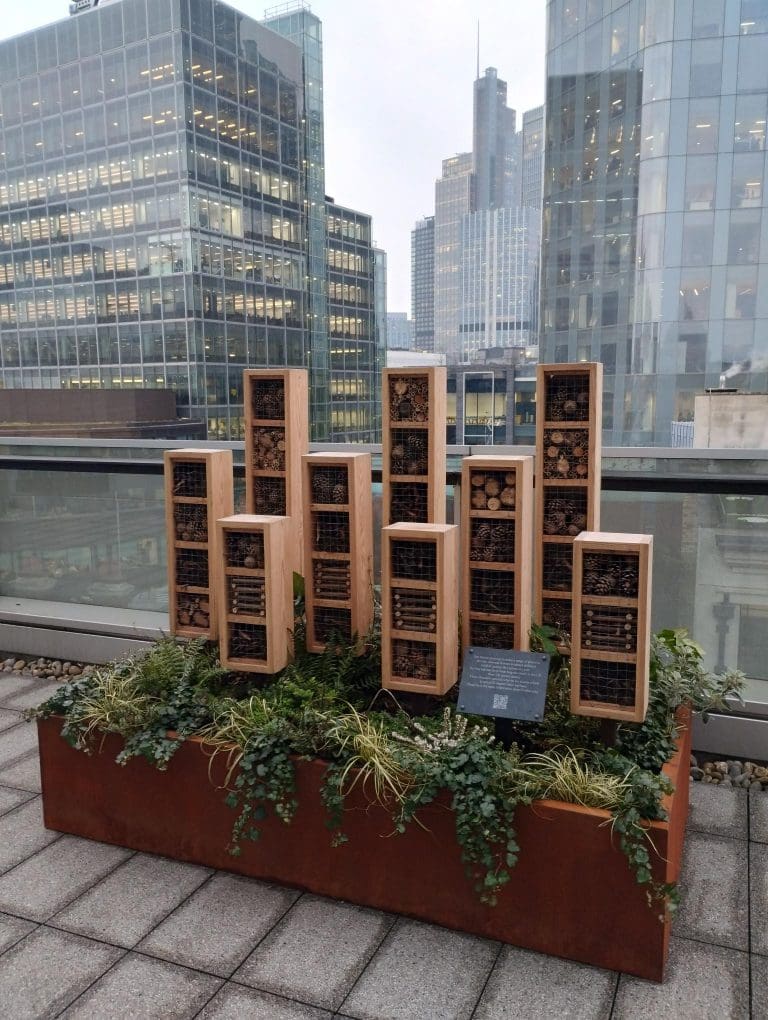
Our bespoke pollinator habitats (sometimes called ‘bee hotels’ or ‘bug hotels’) provide a safe nesting place for solitary bees and other beneficial insects.

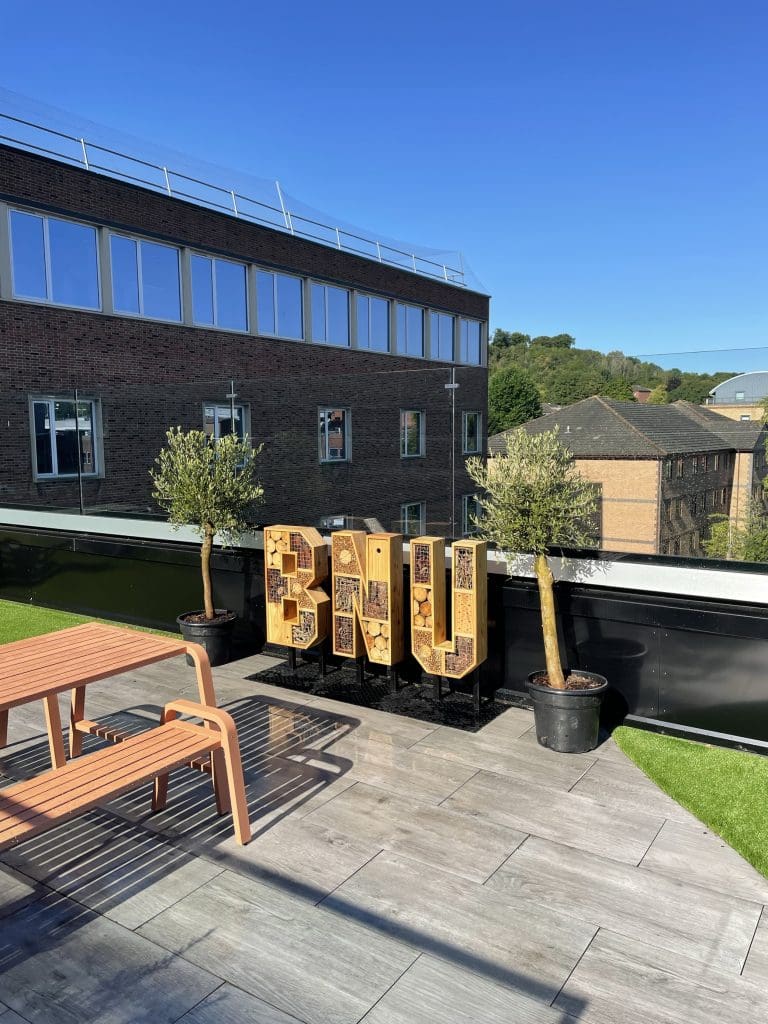
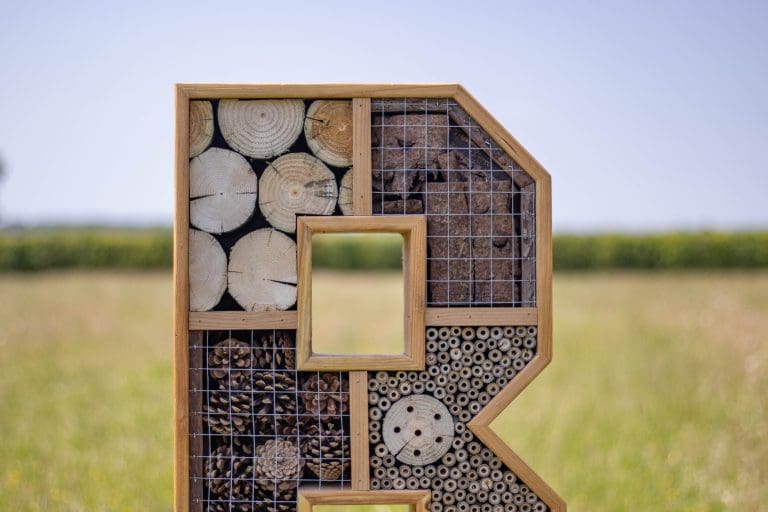
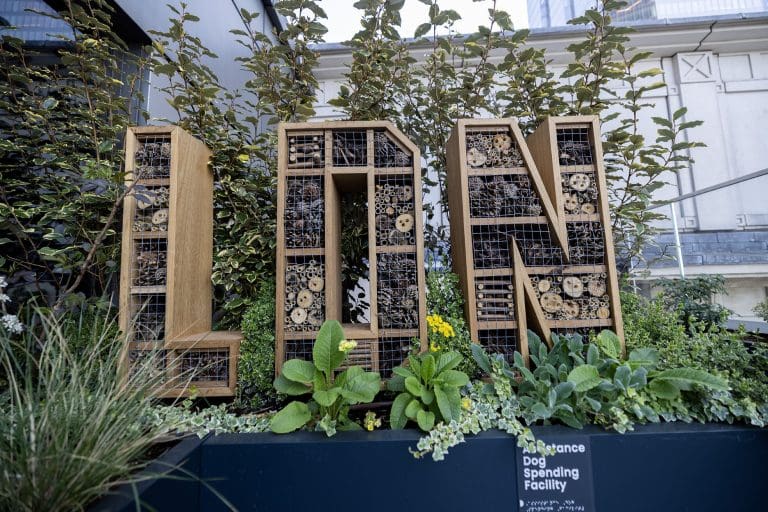
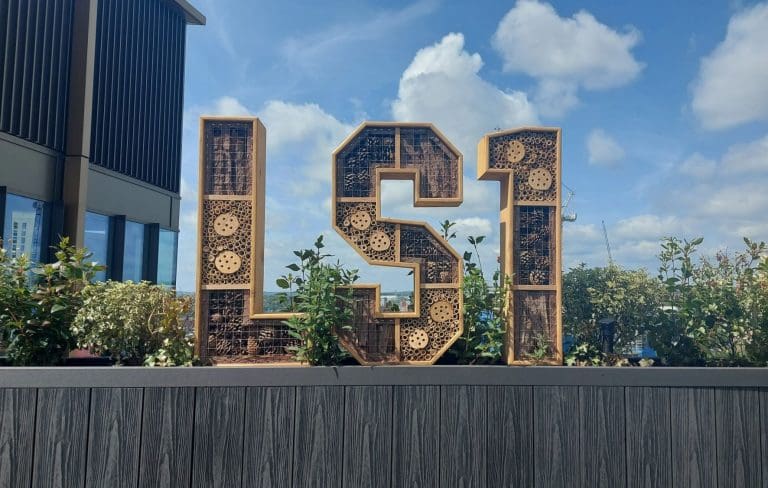
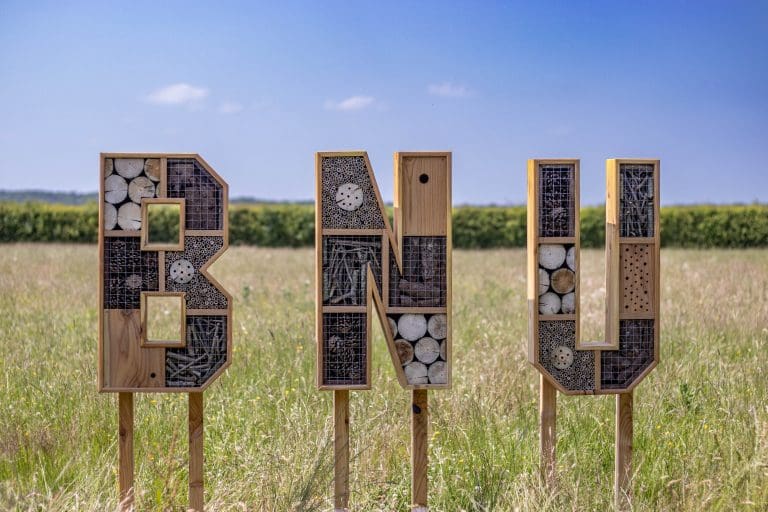
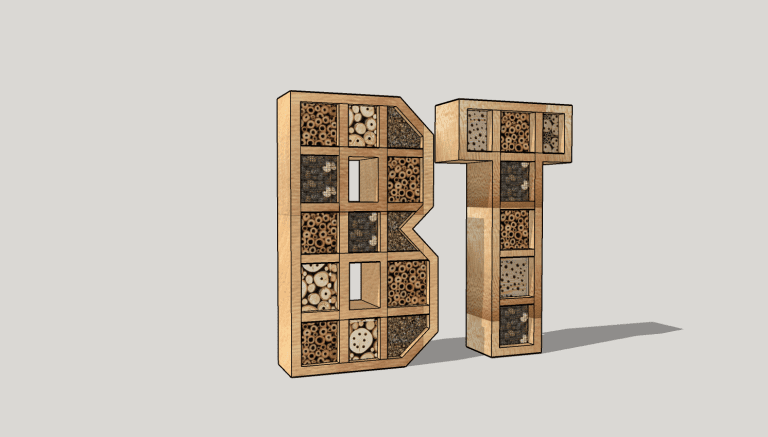
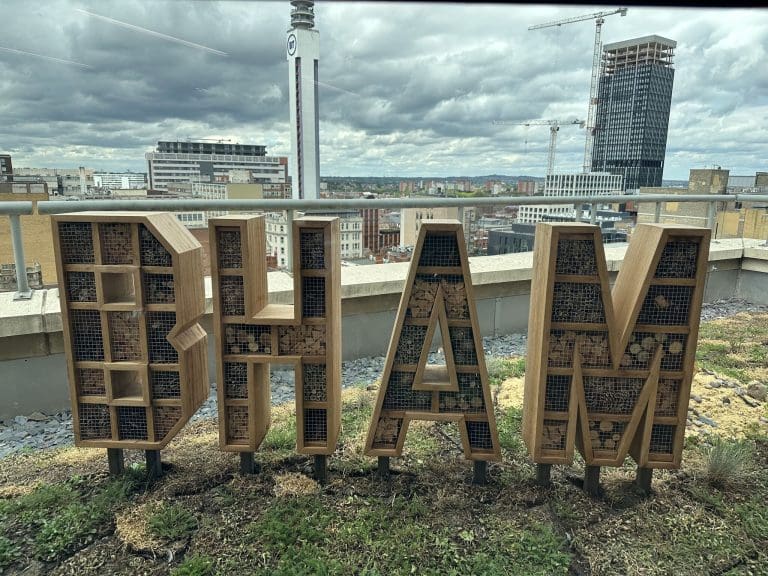
They combine a clear sustainability benefit with striking design, making them popular with staff and visitors alike. Because we can create them in custom shapes (letters, logos, or abstract forms) they also become part of the identity of a workplace.

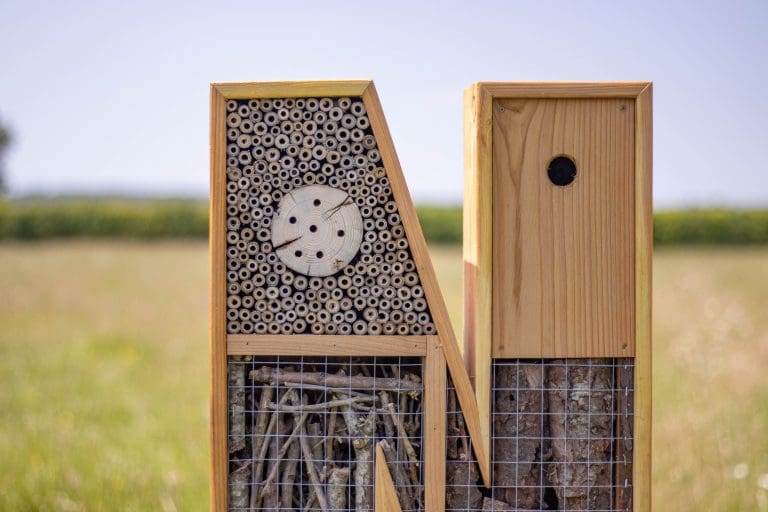
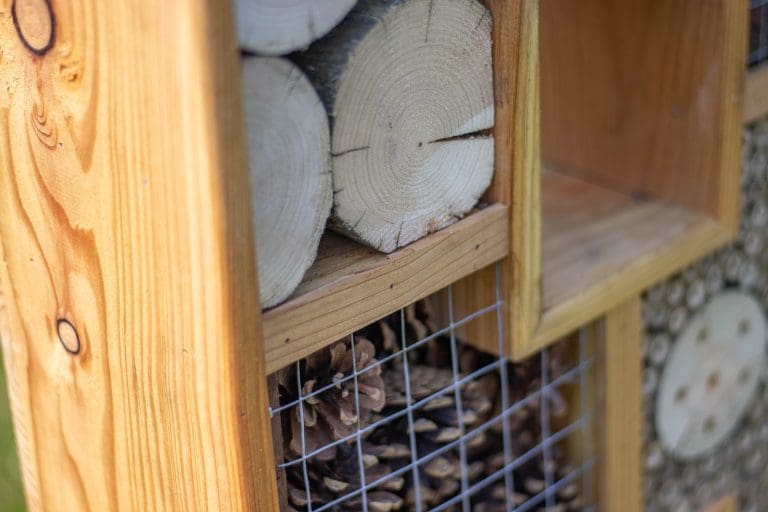
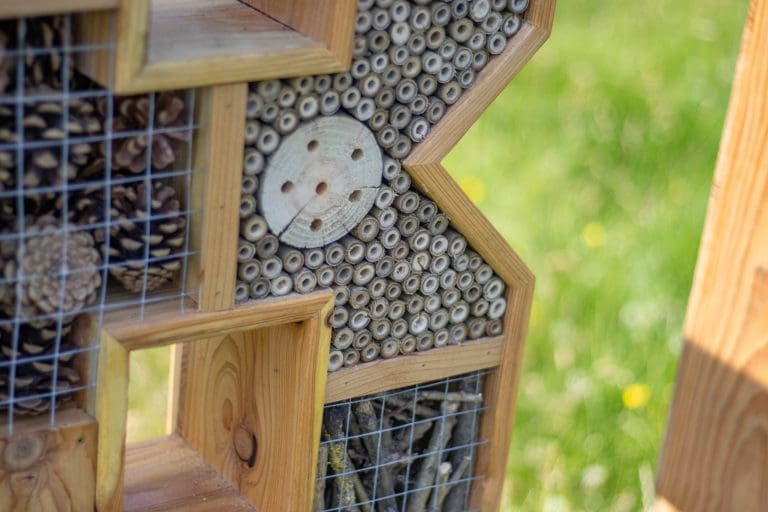
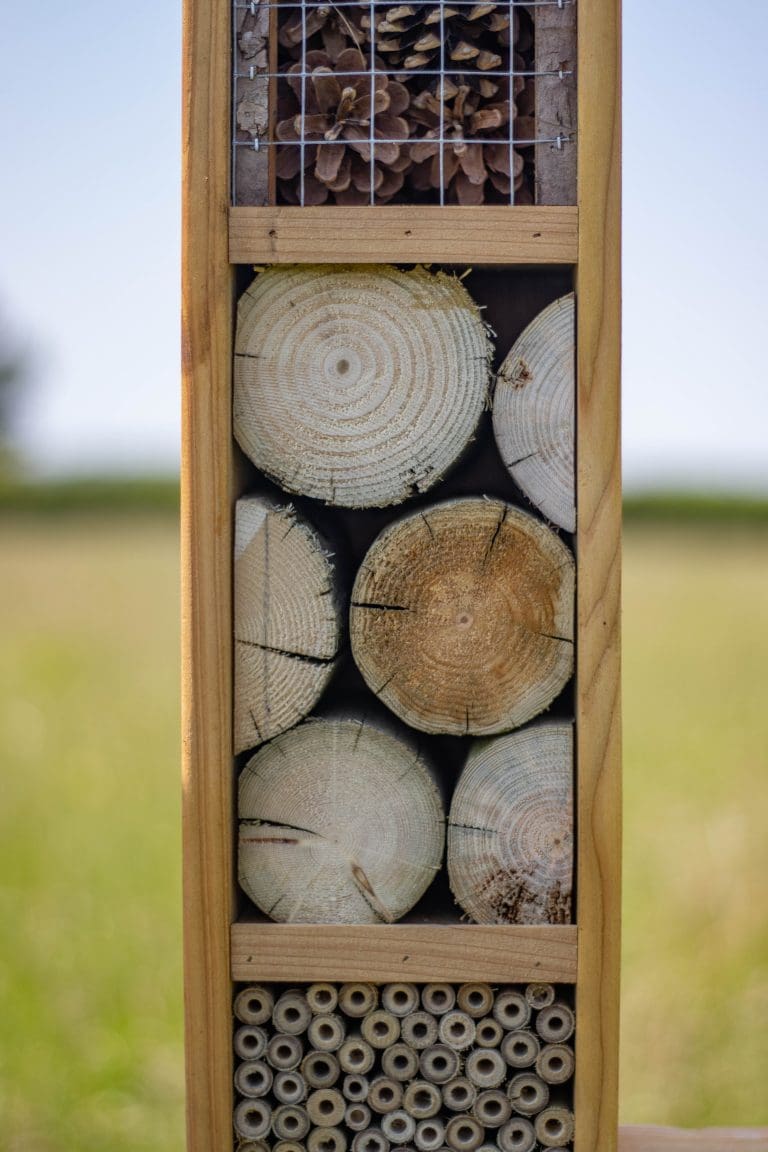
Pollinator habitats are filled with natural materials such as drilled wood, pinecones and twigs. These create the perfect cavities for solitary bees to lay their eggs and for other insects like ladybirds, lacewings, and hoverflies to shelter.

By hosting these insects, workplaces are actively helping to maintain pollination in surrounding green spaces and urban planting schemes.

about the habitats

  • Handcrafted in the UK from sustainably grown wood.

  • Durable and long-lasting, designed to withstand the elements

  • No paint or stain required thanks to cedar’s natural resistance to decay.

  • Customisable in shape, size, and branding to suit your building and project.

  • Low maintenance once installed.

We can design them in custom shapes, letters, or logos to reflect your building identity and brand. This makes them stand out as a feature staff notice, talk about, and share online. Whether you want your company initials, a recognisable symbol, or a bespoke design for a specific site, we’ll create a habitat that’s both functional and unique.

We’ve already designed and supplied branded pollinator habitats for organisations including Lloyds Banking Group, Buckinghamshire New University (BNU), Natwest and many more…
Why support native pollinators?

Native pollinators are under pressure from habitat loss, pesticides, and climate change. They play a vital role in food production, biodiversity, and healthy ecosystems.

By providing safe nesting and foraging opportunities, you contribute to your organisation’s sustainability goals and Biodiversity Net Gain commitments.

Pairing with pollinator-friendly planting

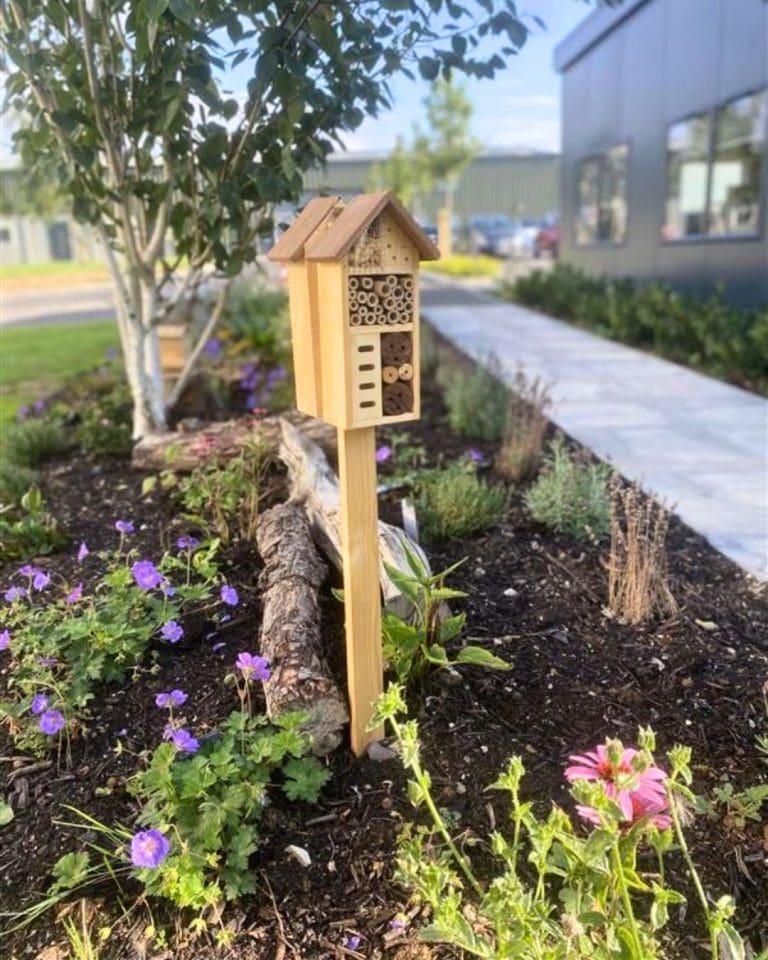
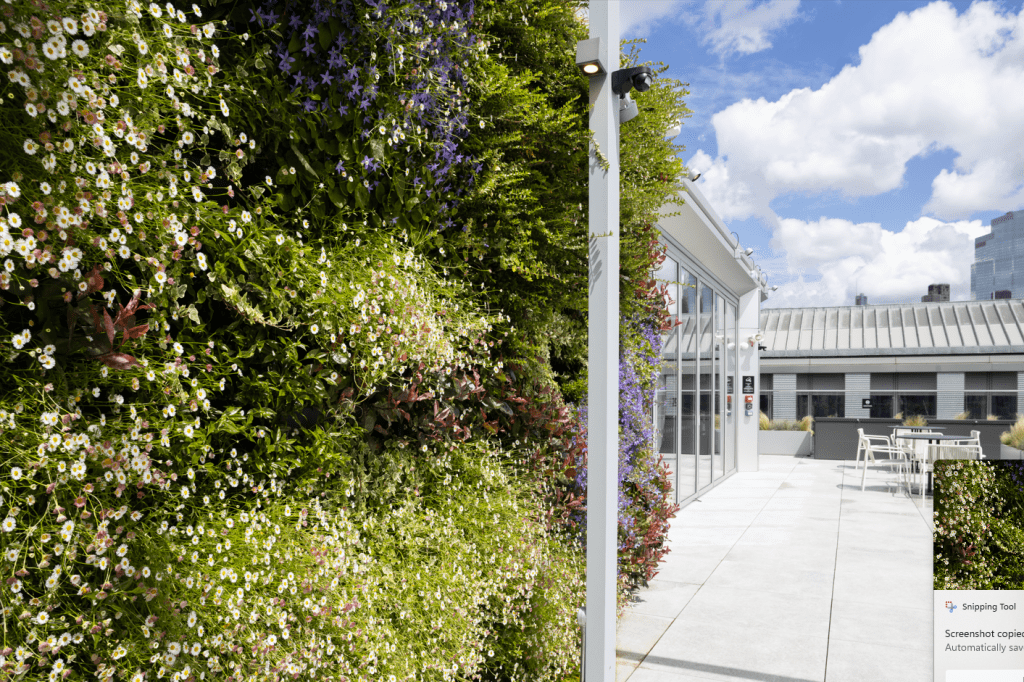
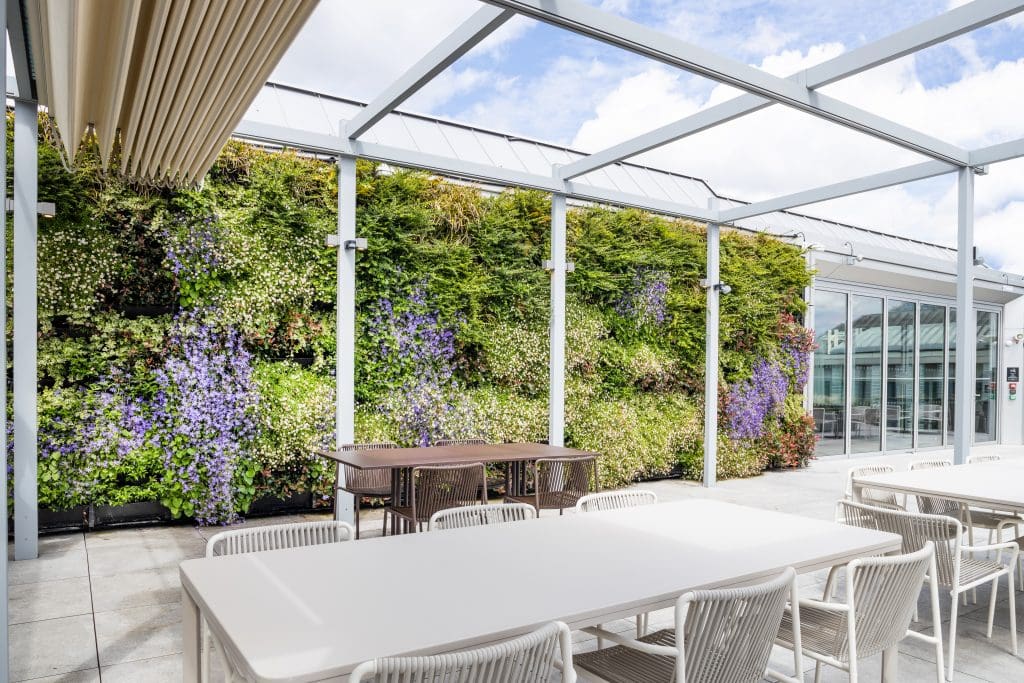
Pollinator habitats are most effective when combined with the right planting. Our pollinator-friendly schemes will be make bespoke for your location and environment.  Often they can feature flowering perennials, wildflowers, or herbs to ensure that bees and other insects have both food and shelter. Together, planting and habitats create a joined-up approach to supporting biodiversity on site.

Planteria group

Pollinator habitats are a symbol of your commitment to sustainability and a way to get people talking about your workplace.

Whether you’re planning a new fit-out, upgrading a terrace, or looking for visible BNG action, we can help design a habitat that fits your brand and benefits the environment.

Get in touch to find out how a bespoke pollinator habitat can transform your space.

POLLINATOR HABITATS FAQ'S

A pollinator habitat, sometimes called a bee hotel or bug hotel, is a structure filled with natural materials like drilled wood, pinecones, and twigs. These create safe cavities where solitary bees can lay eggs and beneficial insects such as ladybirds, lacewings, and hoverflies can shelter.

They give native pollinators a safe place to nest in urban areas where natural habitats are scarce. At the same time, they show visible action on sustainability, something both employees and visitors value.

Mainly solitary bees, which are vital pollinators, along with ladybirds, lacewings, and hoverflies that help control pests and support biodiversity.

By creating safe nesting and foraging opportunities, habitats contribute to measurable biodiversity improvements on site, helping organisations meet their BNG and wider sustainability commitments.

Yes. They can be built in bespoke shapes, from company logos to abstract designs, so they not only support wildlife but also reflect your workplace identity.

Very little. Once installed, they are low-maintenance and continue providing shelter year after year.

Organisations such as NatWest, Lloyds Banking Group, and Buckinghamshire New University have already introduced pollinator habitats as part of their workplace sustainability programmes.

Yes. They work best when combined with pollinator-friendly planting schemes including wildflowers, herbs, and flowering perennials. Together, they provide both food and shelter for insects.

Employees often enjoy seeing wildlife supported at their workplace. The habitats also make striking features that people like to photograph and share, boosting pride and engagement in sustainability efforts.

We’ll design a habitat that suits your site, brand, and goals, whether you need a small feature for a courtyard or a large installation for a rooftop terrace.

Simply get in touch and we’ll help you design and install a bespoke pollinator habitat tailored to your workplace and sustainability objectives.
The Most Sustainable Planting Scheme

The Most Sustainable Planting Scheme

At Planteria, sustainability isn’t just words on paper – it’s built into everything we do.

From the way we transport our technicians to the materials we use in our planting schemes, we’re committed to reducing environmental impact at every stage.

Here’s how we’re leading the industry with the most sustainable planting scheme available today.

The Most Sustainable Planting Scheme

whats included

Planteria group

Walking Plant Technicians

100% Public Transport

While electric and hybrid vehicles are a step forward, we believe there’s an even smarter way to cut emissions and ease congestion.

That’s why we introduced our ‘walking technicians’—a team that travels entirely on foot or by public transport. No vans. No traffic. Just a more efficient and sustainable way to work.

They’re backed by one central shuttle, which delivers any replacement plants or equipment needed for the day. The result? We save more than 25,000 miles of van travel every year. That’s fewer emissions, less fuel, and cleaner air for everyone.

It’s a simple idea, but one that’s making a real difference.

Modus office plants

Ecoponic Substrate

Saving our vulnerable peat-lands

Regular compost used for growing plants can contain up to 90% peat.

This peat is dug up from peatlands.  These natural wetlands are absolute vital for not only plants and wildlife, but also storing carbon.  It takes 1,000 years for one metre of peat to form!  But over 80% of the UK peatlands are already damaged.  

Our vulnerable peatlands are being excavated at the expense of our fragile environment.

Peatlands cover only around 3% of the world’s land area, but they store 30% of soil carbon.

A loss of only 5% of UK peatland carbon would be equal to the UK’s annual greenhouse gas emissions.

Sunset over a uk peat field - home to a host of wildlife and carbon storage.

At Planteria we knew we had to do our bit to protect our vulnerable peatlands and the wildlife that call them home.   We can now offer a zero-peat alternative to soil.  

We call it Ecoponic. 

what is ecoponic?

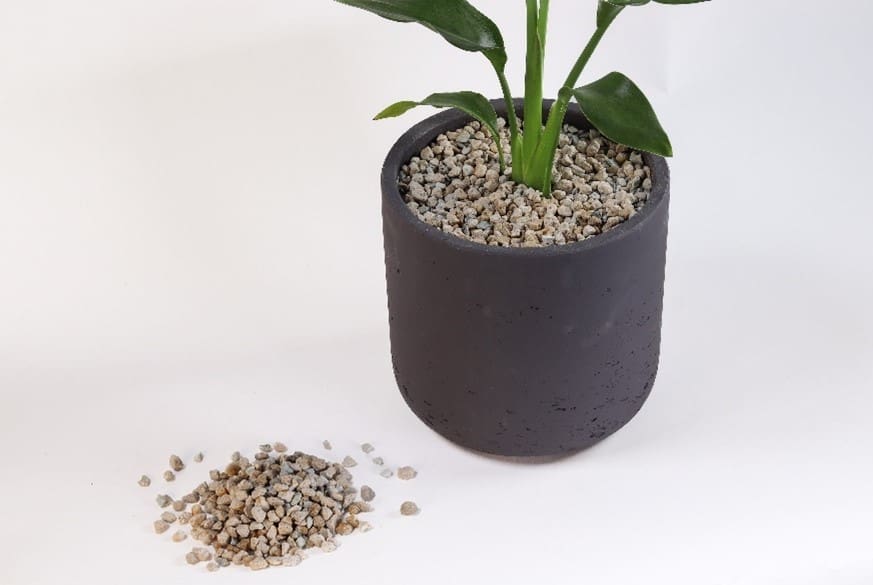
Officially classified as a Vulcaponic Substrate – it’s a recipe of pumice, zeolite and the perfect mixture of fertiliser for optimum plant growth.

Now almost 100% of the plant displays that go through our warehouse are planted in Ecoponic.  

Ecoponic logo
Ecoponic substrate

Peat Free

Peat is commonly found in compost due to its water retention and nutritional qualities.  The natural wetlands where Peat is found is critical to the survival of plants and wildlife. Not only that, but peat bogs store huge amounts of carbon which must be kept in the ground to avoid contributing to climate change.  

Ecoponic is 100% soil free.  This helps to protect our vulnerable peatlands – protecting wildlife and reducing carbon emissions. 

Reduced Water use

Ecoponic is very efficient at storing water.  It can absorb up to 44% of it’s weight in water.  During the watering, the grains absorbed it and no water remains in the pot. The roots slowly absorb the moisture from the substrate. This not only benefits the plant, it also reduces the amount of water used.

Less chance of flies or pests

Flies and pests can be an incredibly annoying problem in an office environment.  As Ecoponic contains no organic material, there is almost no chance of soil-borne pests. 

Infinite Lifecycle

It is permanently structurally stable (it will not break down or compact) this keeps the soil more airy and allows the roots to absorb enough oxygen.     

Ecoponic can be reused and recycled infinitely.

Planteria group

Recycled & Sustainable Planting Containers

We offer a wide range of planting containers designed with sustainability in mind—each one made using recycled or low-impact materials to reduce waste and lower your carbon footprint.

Planteria group

Pots made 100% from recycled waste

Planteria group

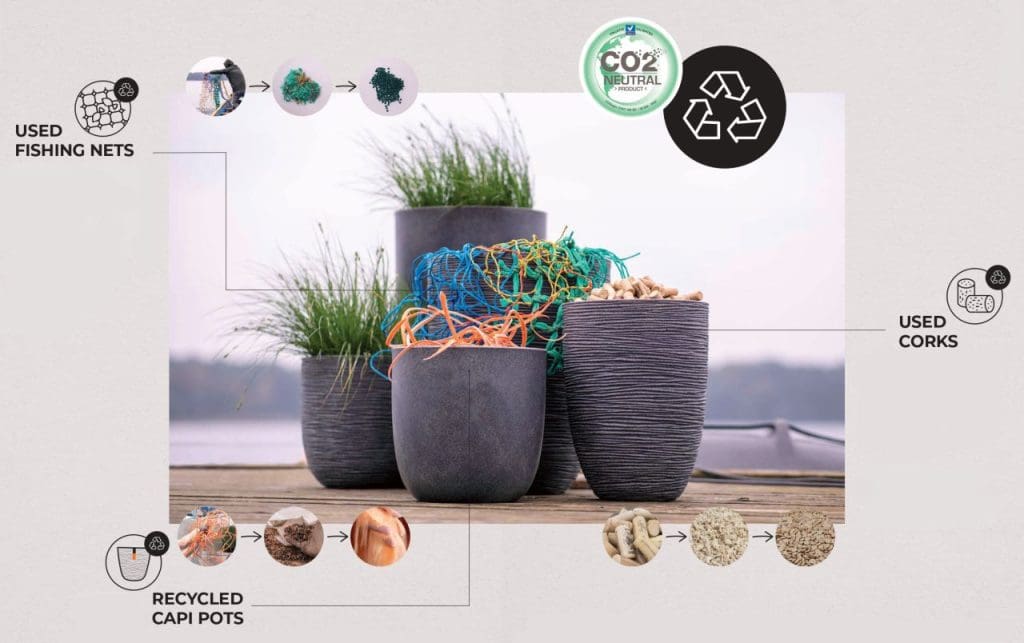
Pots made from recycled materials including marine debris, artificial grass, textiles and more

Planteria group

Pots produced using 100% wind energy


Planteria group

Living wall system largely made from recycled clothing

Planteria group

Planters made from upcycled pallets

Planteria group

Plants donated to the local community

We regularly donate surplus plants and flowers to local groups, schools, and those who need them most. Over the years, we’ve supported several schools by helping them green their classrooms and create outdoor nature areas for pupils to enjoy.

Our plants and pots are also popular in the community. Locals often give old containers a new life, reusing and repurposing them so the plants can keep growing in new homes. It’s a simple way to share the benefits of greenery while reducing waste.

Planteria group

Ecovadis

As part of our commitment to society, our people and the environment, Planteria has completed a thorough assessment of its business sustainability practices through EcoVadis, a global leader in business sustainability assessments. The EcoVadis assessment includes 21 sustainability criteria across four core themes: Environment, Labor & Human Rights, Ethics and Sustainable Procurement.

We are pleased to announce that we have received our EcoVadis rating in 2025.

Planteria group

plant grow pots 100% recycled

Zero waste to landfill

We are a zero waste to landfill company, and we take that seriously at every stage of our work.

In the Netherlands alone, over 3 billion plastic plant grow pots are used each year. Most planting companies send these pots to general waste, claiming they are too difficult to recycle due to mixed materials or contamination.

At Planteria, we do things differently. Every single grow pot that comes through our nursery is sorted and recycled properly. We work with specialist recycling partners to make sure these plastics stay out of landfill and are given a new purpose.

It takes more effort, but it’s the right thing to do. And it’s one more way we reduce waste across our supply chain.

Planteria group

pollinator friendly planting

Planting for the planet

Planting to support biodiversity is more than just good for the environment — it’s a great way to bring people together. It offers a hands-on opportunity for staff to get involved, whether by helping choose the plants, taking part in planting days, or simply enjoying the wildlife that follows.

We’ve seen it spark real interest and conversation across teams. It brings life to terraces and outdoor areas, turning them into spaces people want to spend time in. The result is not just a boost for nature, but a lift in staff engagement and well-being too

Planteria group
Planteria group

habitats for nature

making the office a destination (for nature)

Make your site a destination for pollinators with our bespoke pollinator habitats.  Handcrafted, bespoke made here in the UK with sustainably grown wood from managed forests.  Custom made in the shape of your logo, name or nearly any shape you chose!

We can also craft the perfect design for you, incorporating sustainable and nature supporting products such as bee baths, bird boxes, worm buffets, bird feeders and more. 

This is the perfect pairing for our bee friendly planting schemes.  

Find out more here.

The most sustainable planting scheme FAQ's

Our approach tackles sustainability at every stage, from zero-peat planting substrates and recycled pots to walking technicians and zero waste to landfill. It’s a complete system, not just a single eco-feature.


Ecoponic is a peat-free, soil-free substrate made from pumice and zeolite. It stores water efficiently, reduces pest problems, and protects peatlands - vital carbon sinks that take millennia to form. Unlike soil, Ecoponic doesn’t break down, meaning it can be reused indefinitely.


Most European indoor plants are imported from the Netherlands, creating long supply chains. Our UK-grown plants drastically reduce transport miles, lowering emissions while supporting local jobs and the British economy.


Planteria’s ‘walking technicians’ travel on foot or by public transport instead of in vans. This cuts over 25,000 miles of vehicle travel each year, reducing congestion, emissions, and fuel consumption, especially in urban centres.


Yes. We offer a wide range of pots made from recycled waste, marine debris, upcycled pallets, textiles, and even wind-powered manufacturing processes. Some living walls are made from old clothing.


We ensure all plastic grow pots are properly sorted and recycled through specialist partners. Unlike others in the industry, we don’t send any waste to landfill, even the hard-to-recycle bits.


We offer pollinator-friendly planting schemes and custom-built habitats like bee hotels and bird boxes. These not only support local wildlife but also create beautiful, engaging outdoor spaces for staff.


Absolutely. Our biodiversity planting schemes often include staff planting days or team input into plant selection. It’s a great way to boost engagement while supporting the planet.


EcoVadis is a respected global sustainability rating system. Planteria’s 2025 assessment covered our performance in environment, ethics, human rights, and sustainable sourcing, offering third-party validation of our commitment.


Yes. We regularly donate surplus plants and containers to schools, community groups, and those in need. It reduces waste and helps spread the benefits of greenery far beyond the office.

Yes, we handcraft bespoke habitats from sustainable UK-grown wood. We can design them in the shape of your company logo or create themed nature zones with bird boxes, bee baths, and more.

Read More

Discover ways to enhance your office environment with our expert insights on biophilic design, wellbeing, sustainability and the world of plants.

Bee Aware

Xnewsthumbresizex481

Bees have been getting quite a lot of ‘air-time’ of late, but for all the wrong reasons. They are in danger.


Bee populations are declining

Since 2010, there has been a 45% decline in the number of commercial honey bees. Pesticides play a large part, but agricultural techniques have changed too over the decades, with an emphasis on increasing productivity which has meant a loss of the bees’ natural habitat as wildflowers have disappeared from our countryside. It has been estimated that we have lost 97% of our flower-rich grassland since the 1930s. Just why is this so important? Bees are the world’s most important pollinator of food crops. It’s estimated that one third of the food we consume each day relies on pollination, mainly by bees. These crops include, vegetables, rapeseed and sunflowers as well as cocoa beans, tea and coffee. Crops used to feed livestock also rely on that same pollination. It’s not just food crops that the bees play a huge part in, cotton crops rely on bee pollination too. The annual global cotton crop is estimated to be worth $170bn.  

So what can we do about it?

On an individual level you can include bee friendly planting into your own garden, balcony or window boxes. In the UK alone, domestic gardens cover over one million acres.

  • Think about adding bee boxes for them to nest.
  • Bees love flowering plants which are rich in pollen and nectar.
  • Lavender is an easy to care for option that bees love.
  • Avoid using pesticides, especially ‘bug killing’ sprays.

Wildflowers are important for bees, so why not allow a space in your garden to let things run a little wild, and encourage bees and other insects for flourish? At Planteria we use flowering bedding plants for our client’s outside spaces, and we are fans of including lavender for its attractive colour and fragrance as well as its bee-friendly factor. We also grow sedum for green roofs, the bee’s just can’t resist it, so it makes a perfect green roof for city locations which are so often lacking in natural bee habitats. Go to http://bumblebeeconservation.org/about-bees/why-bees-need-help/ for more information and to find out what else you can do.