

Sustainability will likely be at the forefront of the design when looking to achieve any green building certification. The experts at Planteria are best placed to support any sustainability objectives involving the design, implementation and ongoing maintenance of greenery.
Over the many decades we’ve been in business, we have worked on a wide range of projects, from office redesigns to luxury hotels, designing everything from green entrances to stunning rooftop gardens.
Discover these top ways we can help your business become more sustainable, in addition to meeting any environmental certification requirements.
Energy Efficiency
New information is constantly emerging about how strategic plant placement can reduce heating and cooling costs, resulting in greater overall energy efficiency.
BREEAM certification focuses on reducing carbon emissions, with around 50% of its credits related to improving building energy efficiency. Since both indoor and outdoor plants can possess temperature-regulating properties, they can support various sustainability goals.


Environmental Impact & Indoor Air Quality
Research suggests we spend up to 90% of our time indoors. Therefore, it makes a huge difference when the air we breathe is free from common pollutants.
Plants are one of the best ways to improve indoor air quality. If your business is striving for an environmental certification such as BREEAM or WELL, we can select plants that will enhance your corporate space’s air quality.
Beyond meeting any certification requirements, improving the air quality can also promote the health and wellbeing of all those who use the space. As we have previously mentioned on our blog, some office plants have been shown to increase productivity by 15%.
Waste Reduction & Eco-Friendly Sourcing
At Planteria, we’ve always been extremely passionate about sustainability. When sourcing plants or materials for our projects, we always look to protect ecosystems and natural resources. Having a strong stance on sustainability matters, especially for our clients who partner with us to achieve various environmental certifications.

Case Study Highlight:
JLL Birmingham Office Refurbishment
To get a more tangible feel for our sustainable green building initiatives, we invite you to visit our case study for JLL Birmingham.
JLL is a commercial property agency. As with any building redevelopment, it gave the ideal opportunity to meet various environmental certifications and identify aspects lacking within the current space.
For this particular project, this required aligning with Net Zero Carbon requirements, along with BREEAM Excellent, SKA Gold, and WELL Gold standards as a minimum.
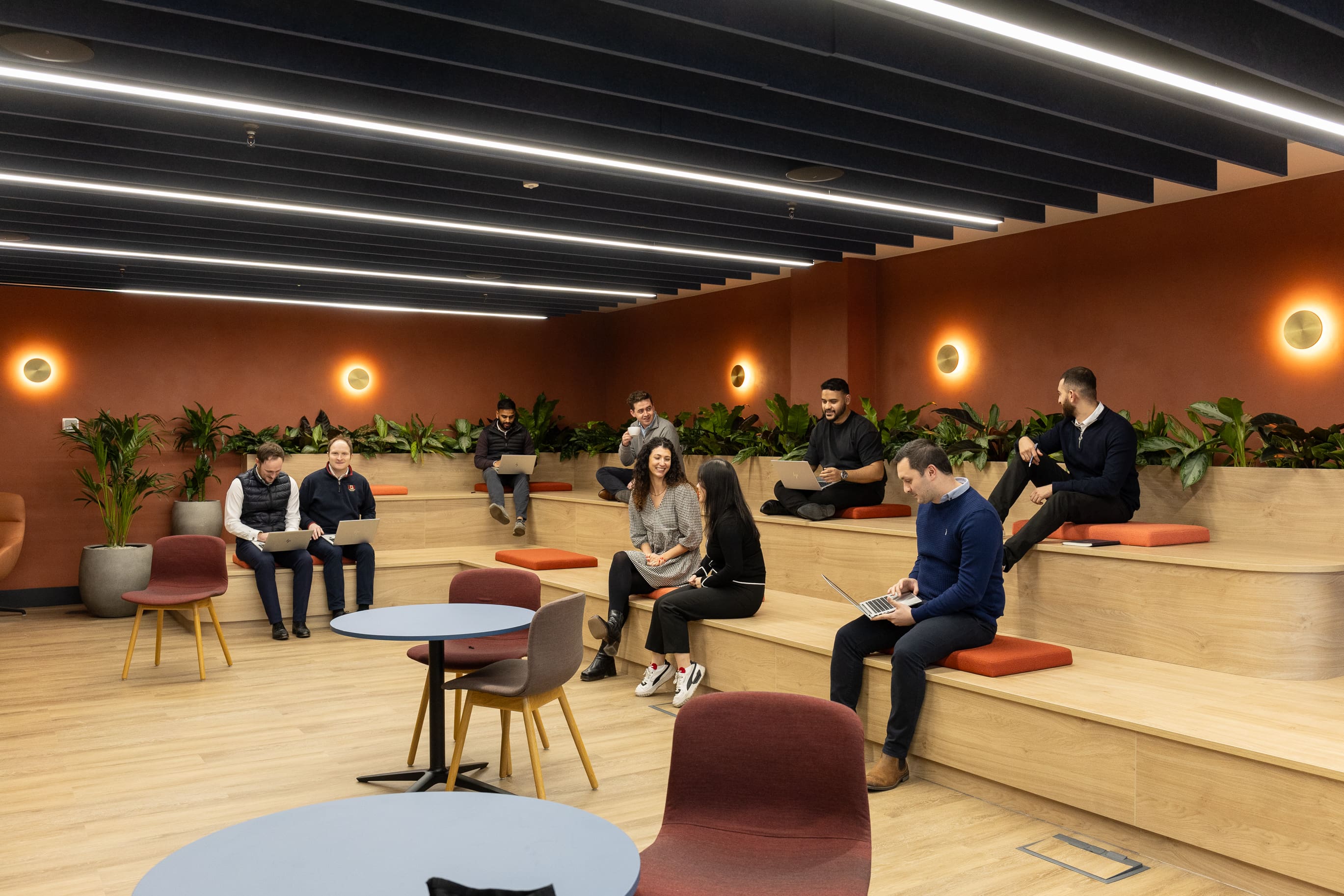
On a practical level, the JLL team also craved a corporate space that encouraged collaboration, while also providing quiet working zones for concentration.
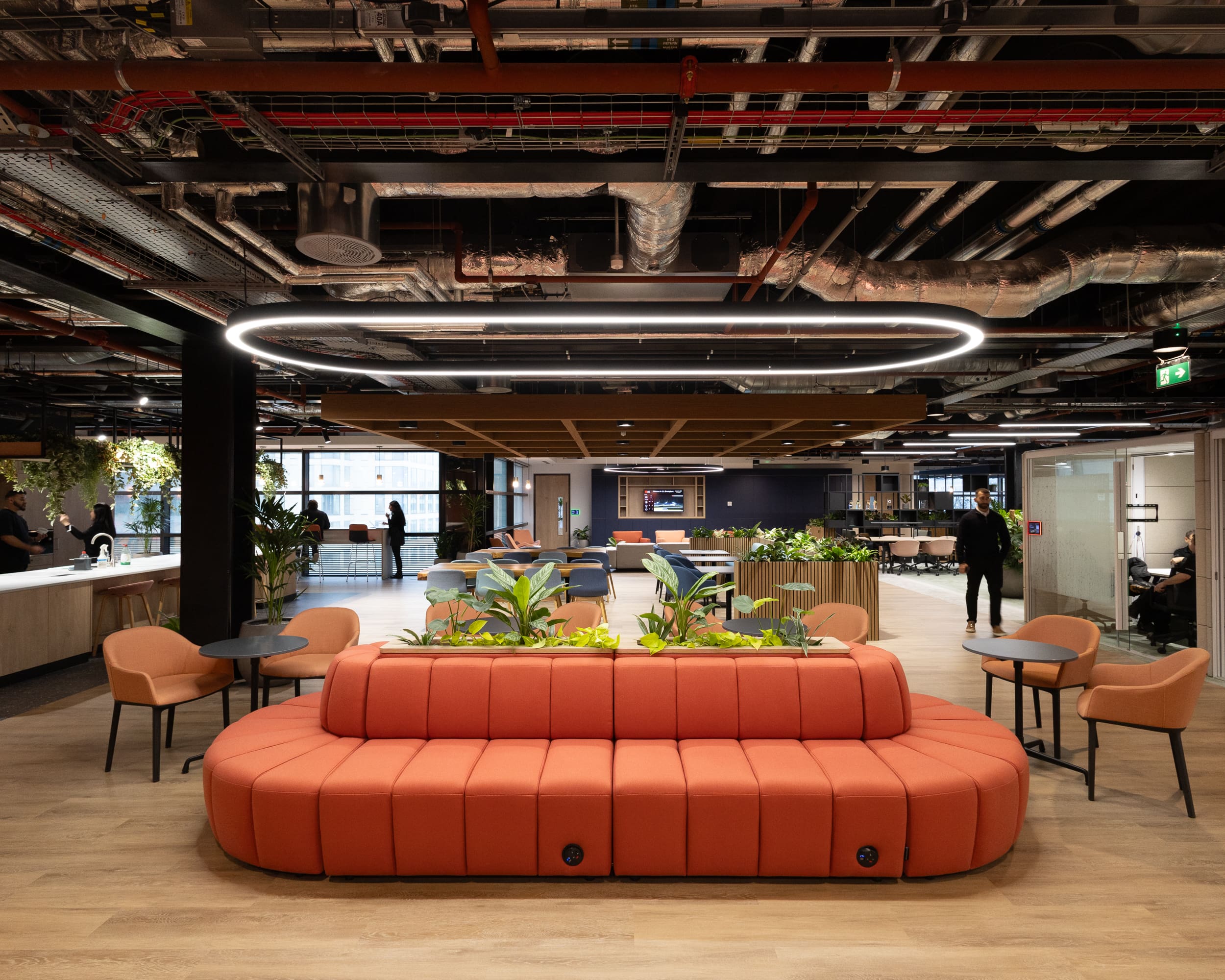
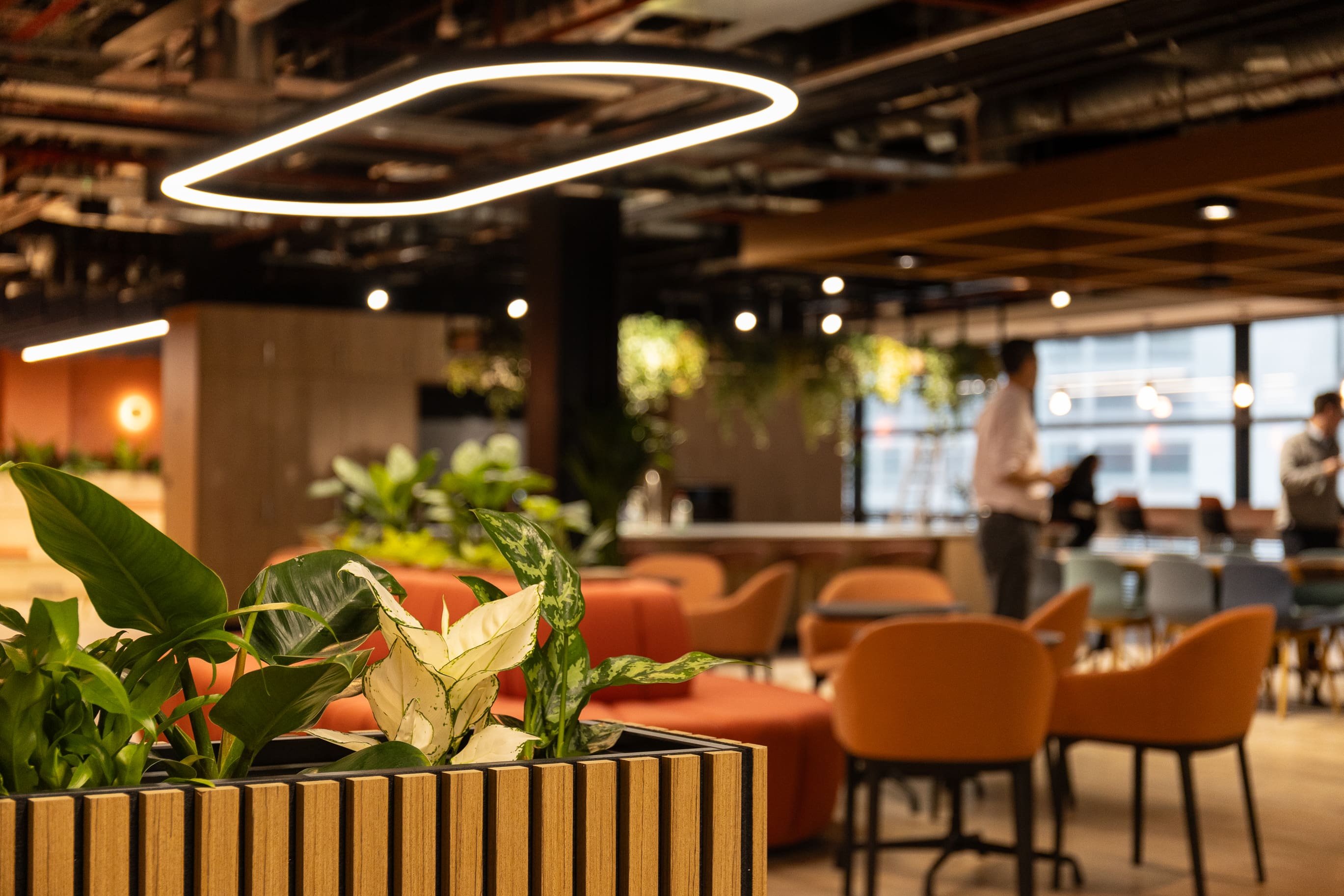
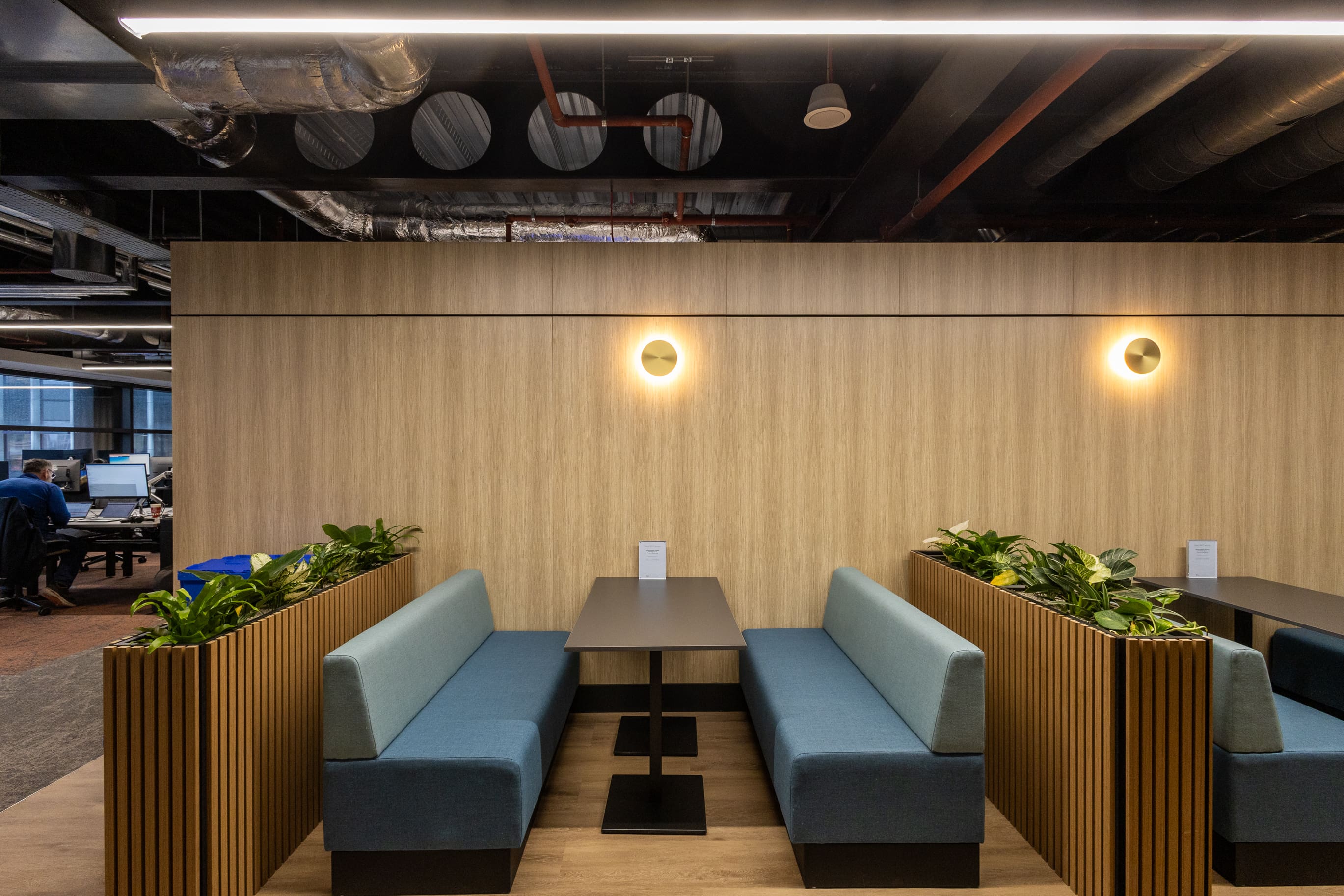
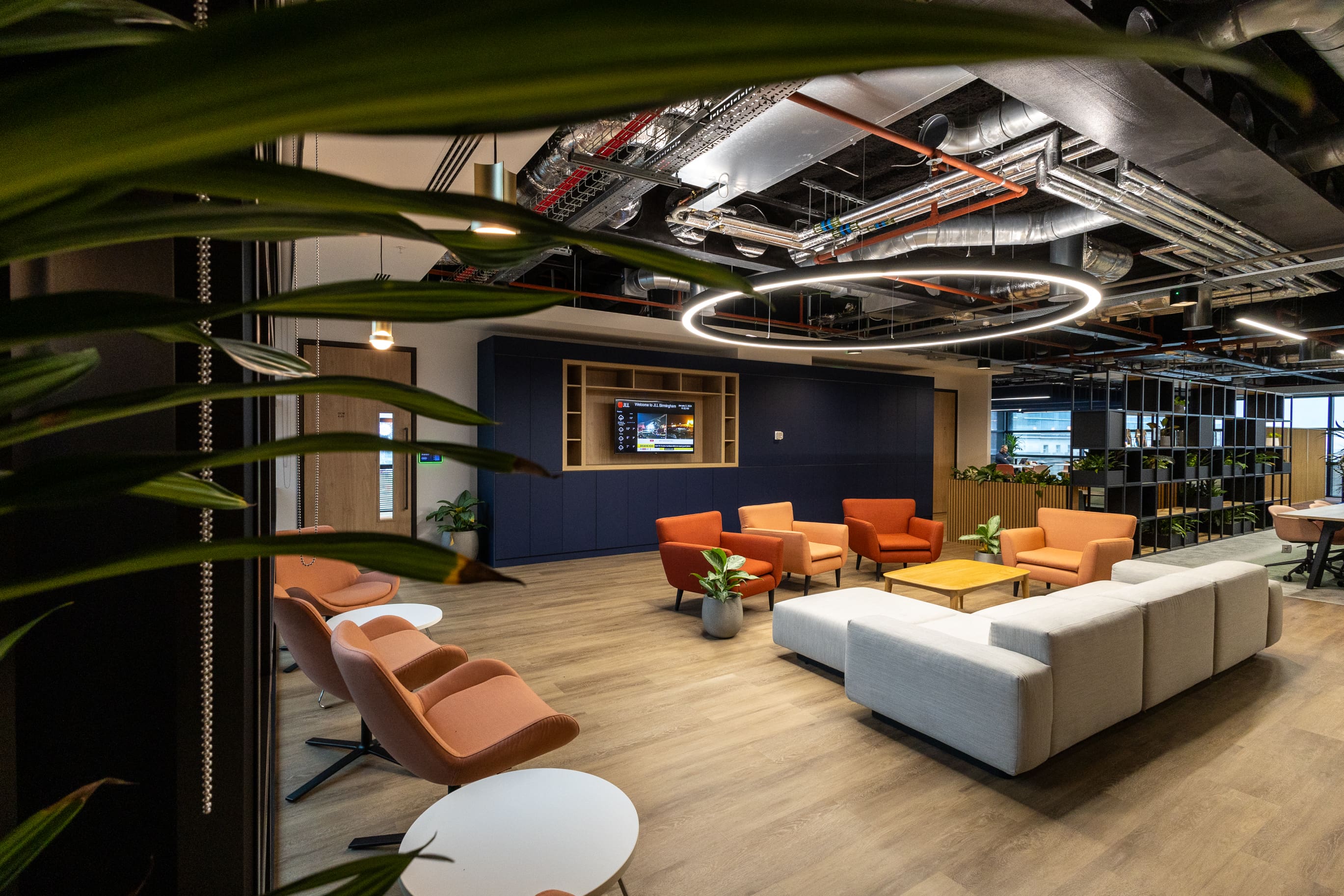
Planteria supplied a large mix of biophilia to bring nature and life into the building, transforming the space into a biophilic oasis. Not only did the use of biophilia support the various environmental objectives, but also the need to engage and uplift employees by connecting them with nature.
How Planteria’s Consultative Approach Ensures Certification Success
At Planteria, we commonly work with architects, interior designers, facilities managers or other decision-makers involved in the redevelopment process.
It’s our role to bring expertise related to all aspects of biophilia, especially when the design is striving to meet various environmental accreditations or certifications.
With Planteria having been established in the 1970s, your sustainable green building project couldn’t be in more experienced hands.
Fully Tailored Solutions
Treating each client as an individual is a key ethos here at Planteria. During your initial consultation, we’ll listen carefully to your needs in terms of meeting green building requirements, but also any wider aims for the project as a whole.
We have experts spanning a wide spectrum of greenery expertise, meaning your brief will be subject to the most innovative foresight and innovations. Crucially, we’ll always ensure any ideas align with your environmental certification goals.
We’ll be with you every step of the way, and can also provide ongoing maintenance services to ensure your greenery continues to meet the necessary requirements.
Biophilic Design: The Long-Term Benefits For Businesses
Deciding to go for BREEAM, Fitwel, NABERS UK, Passivhaus or WELL certification is in the best interests of every corporate space – learn more about these certifications.
Beyond being recognised for your commitment to the environment, there are also many other benefits that achieving green certification can bring to your business.
For instance, incorporating greenery into workspace can result in reduced operating costs and improved employee wellness. That’s because many studies have shown that greenery makes buildings more attractive places to work in, as well as healthier places to be.
Biophilic design can also enhance the corporate image of the business. At Planteria, we also help our clients showcase their sustainability efforts through corporate reporting and marketing. There are endless ways this information can be used to enhance your brand image to deliver an ROI.
Planteria – Achieve Environmental Certification For Your Business With Our Biophilic Expertise
Are you working on behalf of a UK business aiming to achieve or maintain any environmental certifications?
Planteria offers a vast range of biophilic design services, making us perfectly positioned to become your sustainability partner. We help our clients to achieve stringent environmental standards and certifications with their corporate sustainability efforts in mind.
To find out more or to get a free quote, please get in touch by filling out our contact form. You can also give us a call on 0345 505 3333.
Some Frequently asked Questions
What role do plants play in achieving green building certifications?
Plants can support several areas of certification, including energy efficiency, indoor air quality, wellbeing, and environmental impact. When used with intent, greenery can help a building earn credits under standards such as BREEAM, WELL and SKA.
Can planting help improve a building’s energy efficiency?
Strategic placement of plants can help regulate temperature by reducing heat gain or loss. This may support energy-efficiency goals, which form a major part of certifications like BREEAM.
How do plants improve indoor air quality?
Plants can reduce levels of some common indoor pollutants and create a healthier atmosphere. This supports the wellbeing goals found in certifications such as WELL, while also improving everyday comfort for people using the space.
What types of sustainability goals can Planteria help with?
Planteria can support energy efficiency, indoor air quality improvements, reduced environmental impact, waste reduction, and responsible sourcing. They design, install and maintain planting schemes aligned with certification objectives.
Does Planteria work with architects and interior designers on certification projects?
Yes. Planteria regularly collaborates with architects, designers, facilities managers and project teams to ensure all biophilic elements meet the required environmental standards.
Can planting help a workspace meet BREEAM or WELL criteria?
Yes. Plants can contribute to several credit areas in both BREEAM and WELL, including air quality, comfort, health support, and overall environmental performance. Planting must be chosen and designed to align with the specific credit pathways.
What makes Planteria qualified to support sustainable building projects?
Planteria has worked in biophilic design since the 1970s and has delivered planting schemes across corporate offices, hotels and mixed-use spaces. Their experience helps guide clients through sustainability aims linked to planting.
How does Planteria ensure its projects are environmentally responsible?
Planteria prioritises eco-friendly sourcing and sustainable materials. The company focuses on protecting ecosystems and natural resources when selecting plants and products for client projects.
Can greenery support employee wellbeing as well as certification?
Yes. Research indicates that greenery can improve mood, support concentration and even increase productivity. This means planting contributes to both environmental standards and everyday workplace experience.
Read More
Discover ways to enhance your office environment with our expert insights on biophilic design, wellbeing, sustainability and the world of plants.