

The Complete Guide to Green Walls
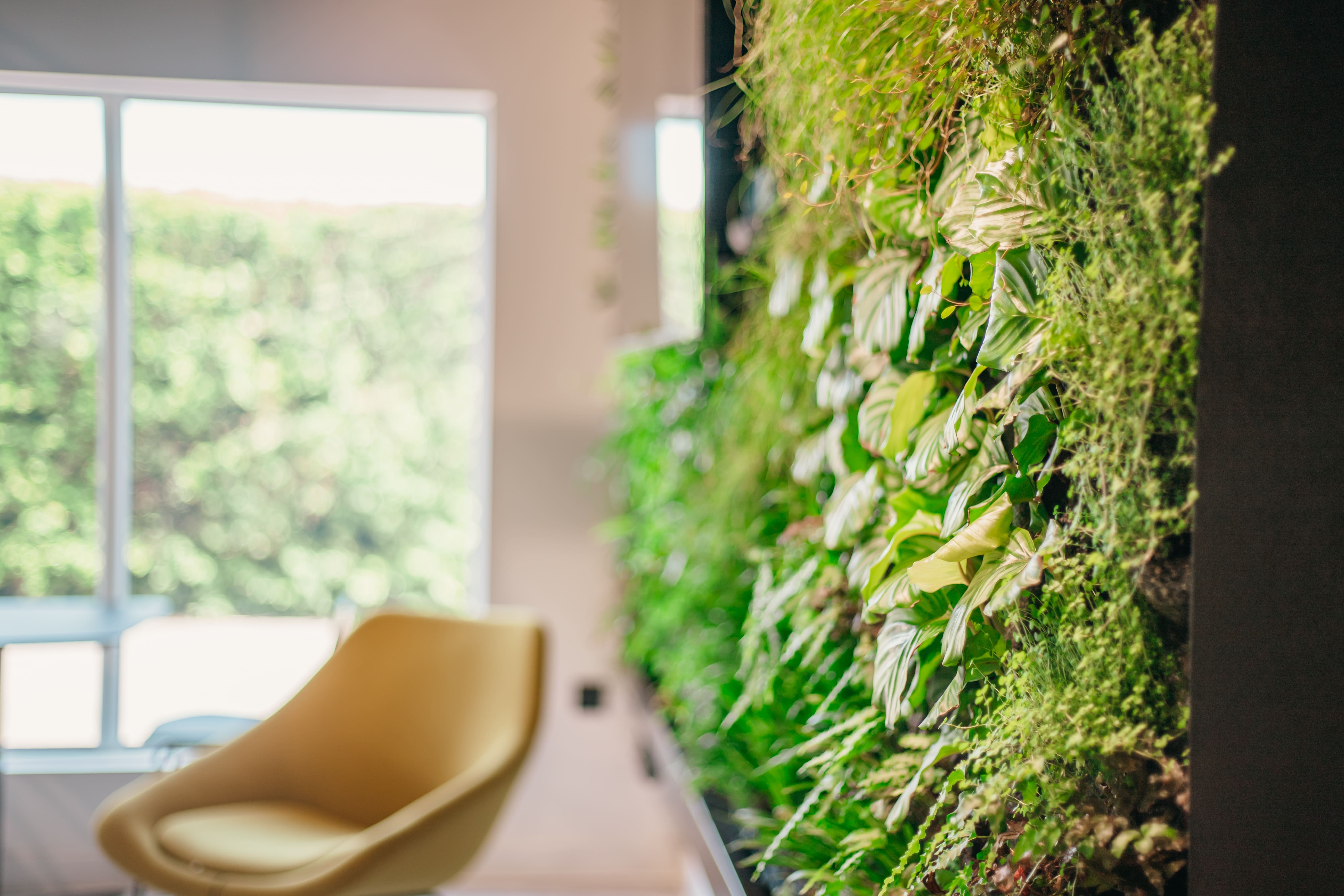
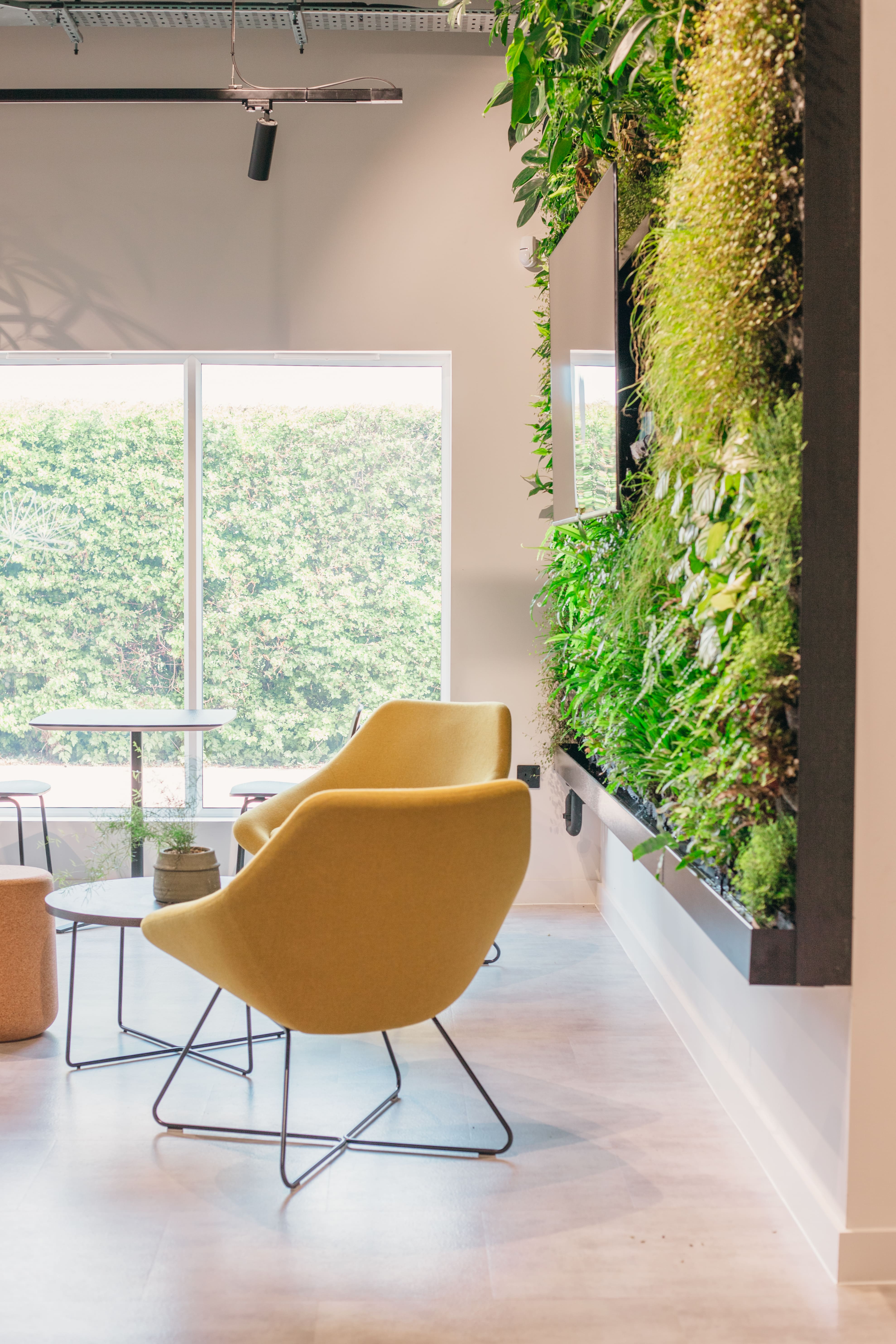
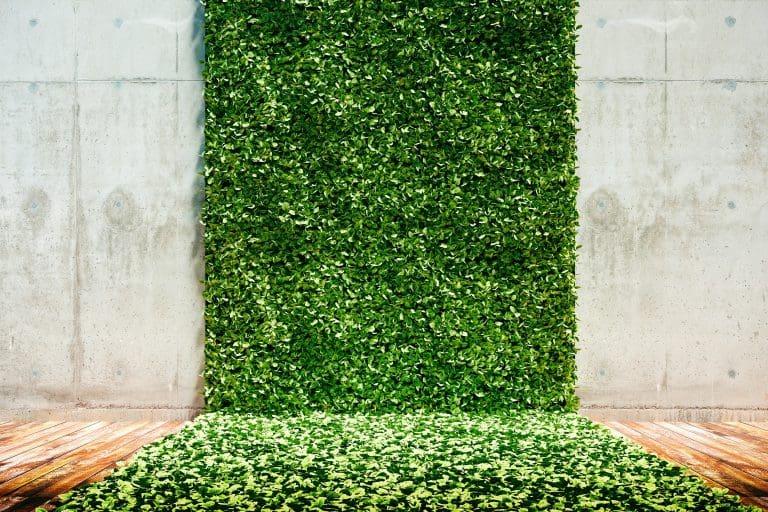
Green walls (also called living walls or vertical gardens) are installations of plants on vertical surfaces. They appear indoors or outdoors, from office feature walls to full building facades.
Green walls bring several benefits. They improve air quality, reduce noise and add visual interest.
Inside, they can soften acoustics and lift staff mood. Research links greenery with lower stress and faster recovery.
On exteriors, they help cool buildings by shading and evaporative cooling – cutting wall temperatures by up to 14°C (25°F).
This guide covers every type of green wall: indoor and outdoor, living and artificial.
It includes design tips, light level advice, maintenance needs, costs and common questions.
Interior Green Wall Systems
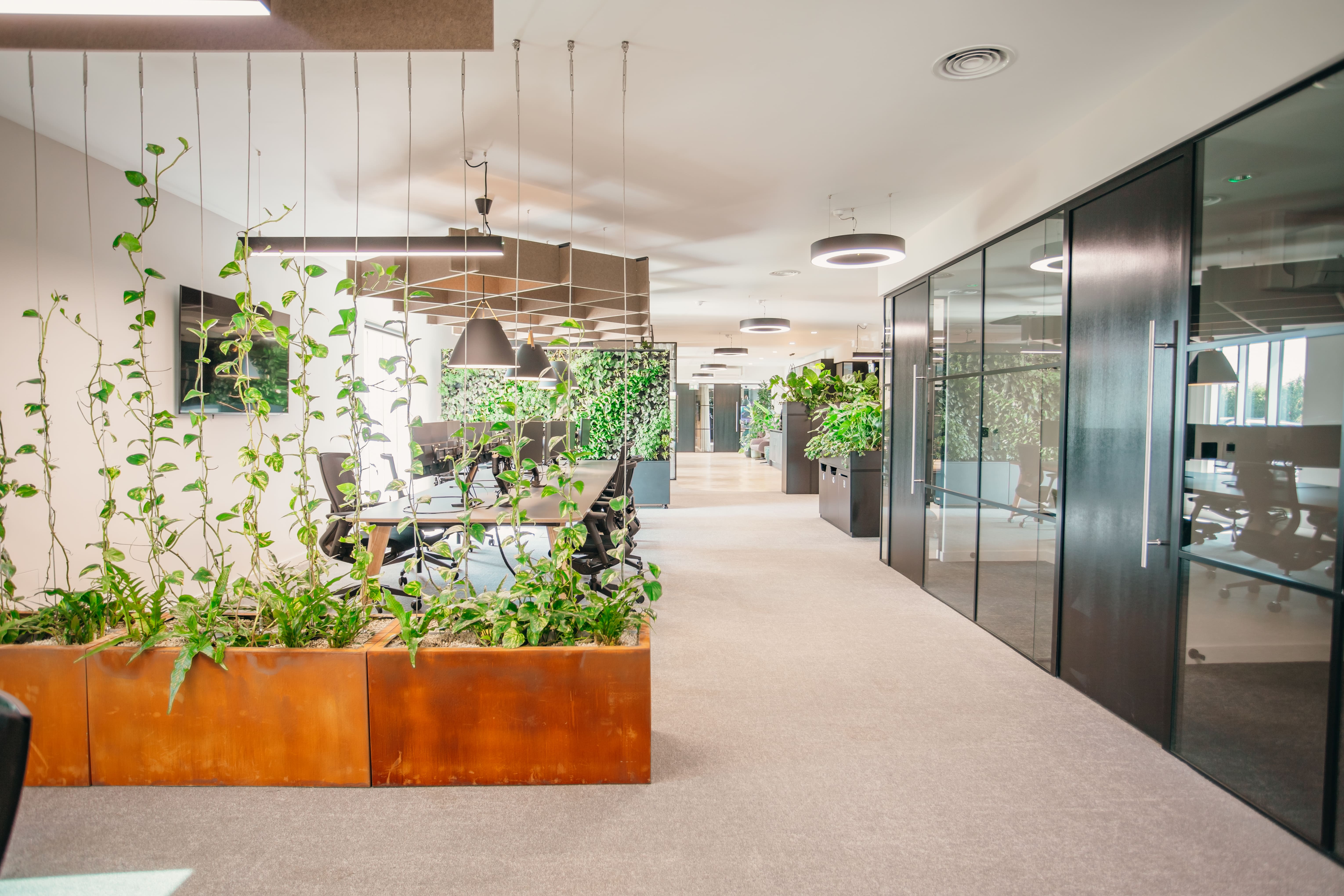
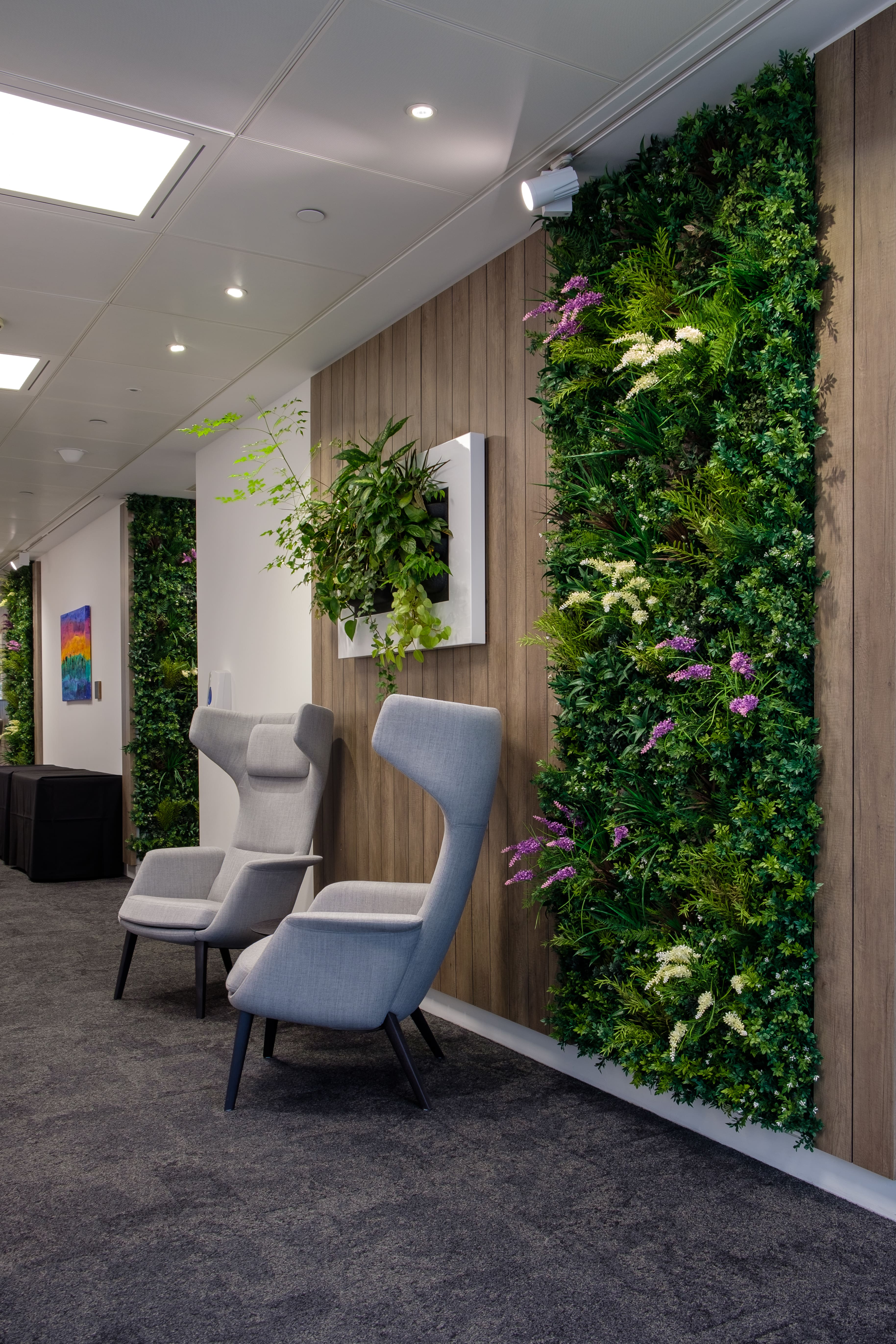
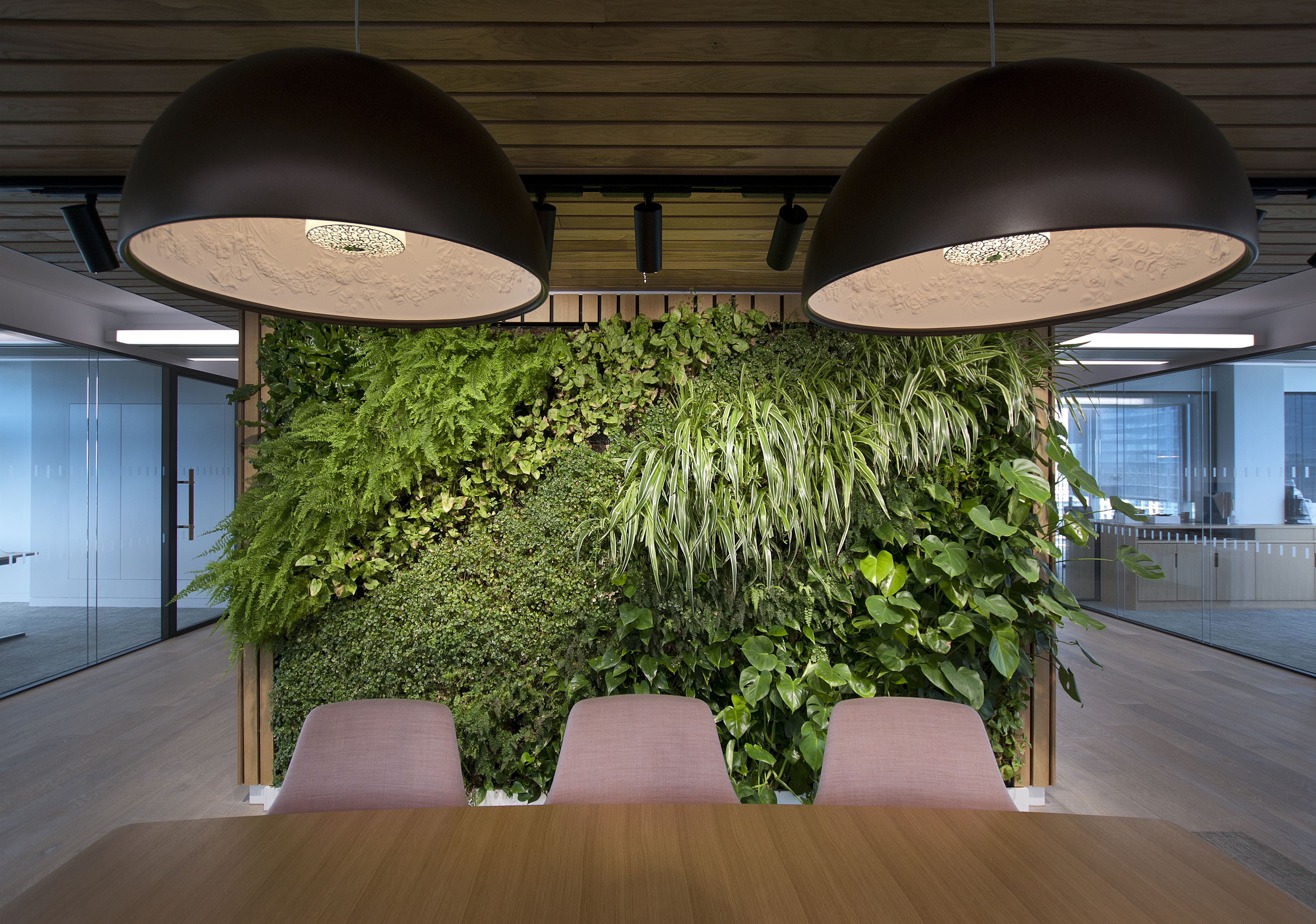
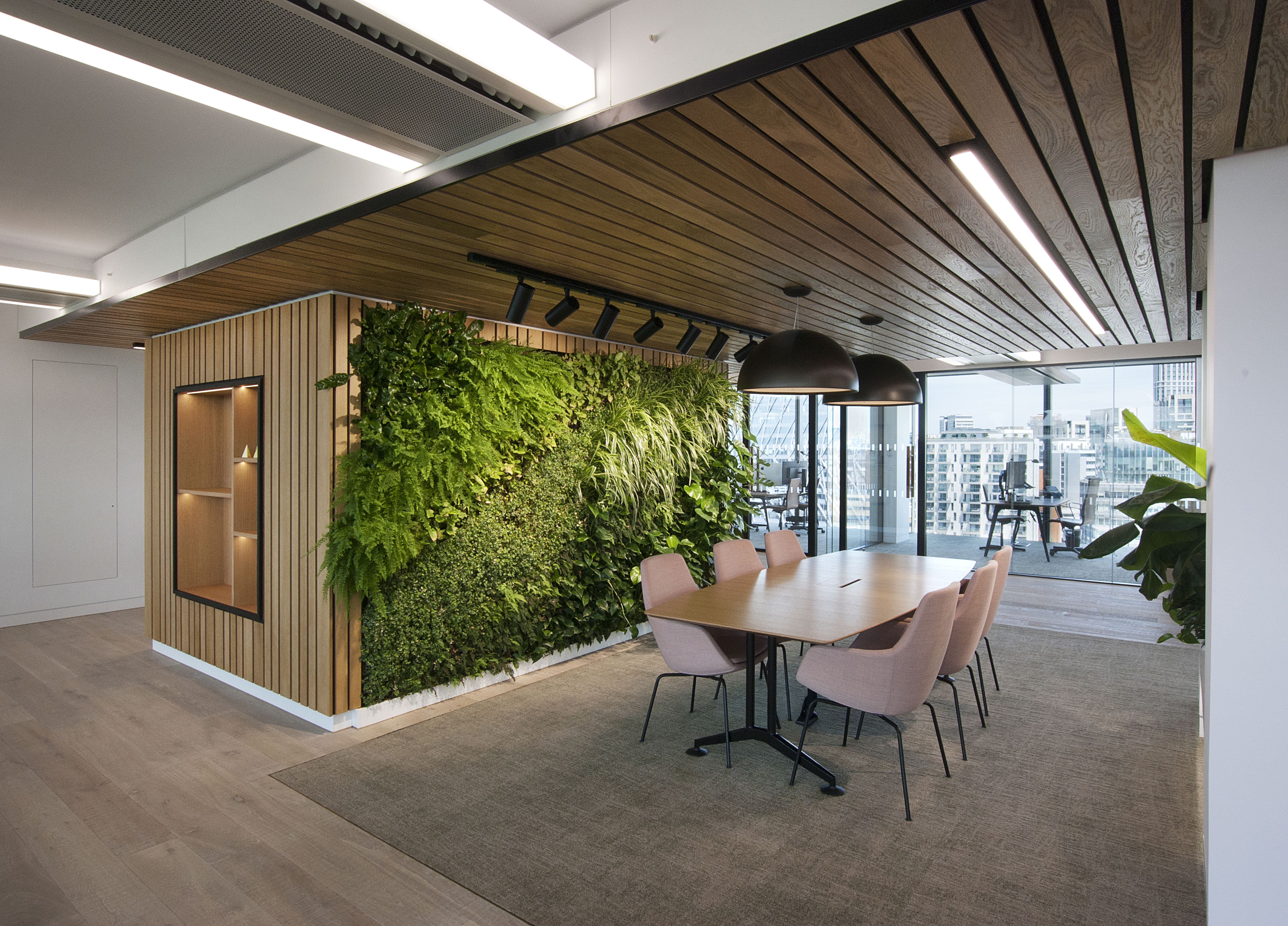
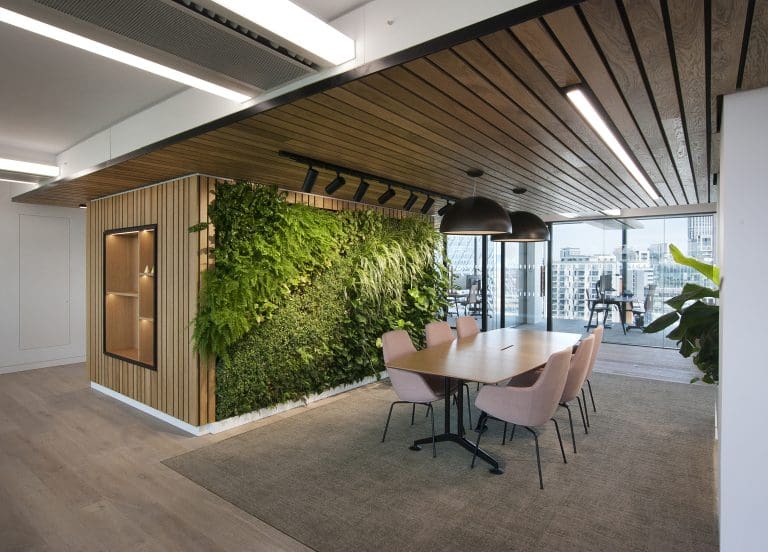
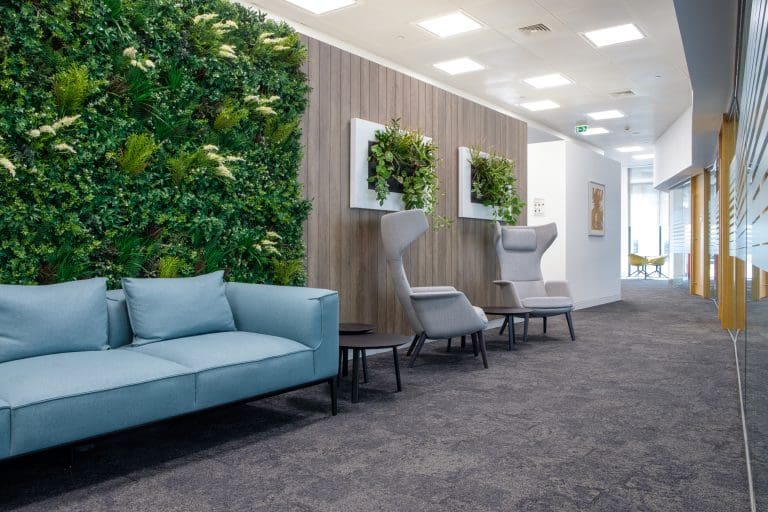
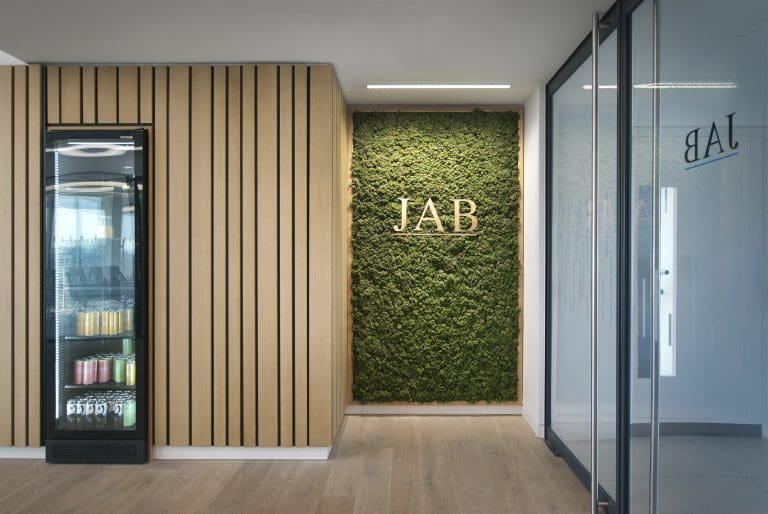
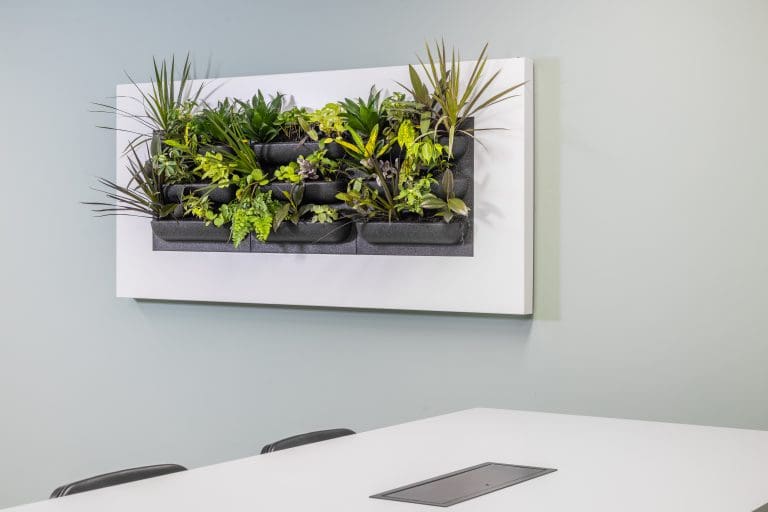
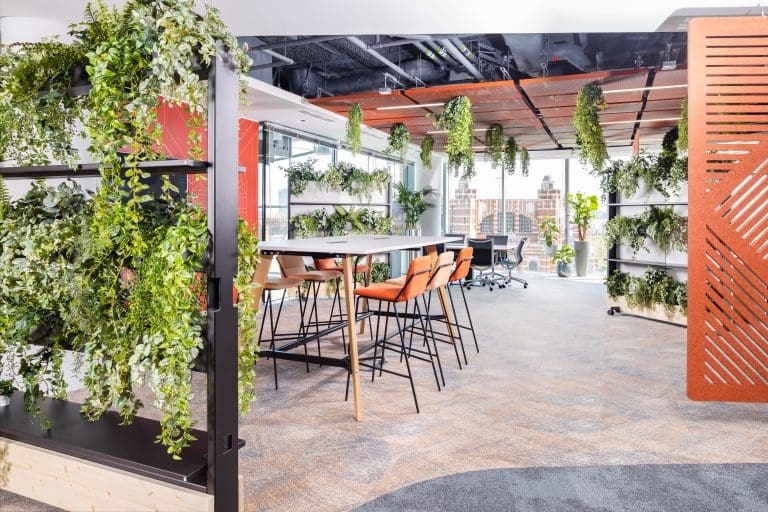
Interior green walls add vegetation to indoor spaces like lobbies, conference rooms and offices. Below are the main categories of interior walls, each with its features, uses, pros, cons and care notes.
Exterior Green Wall Systems
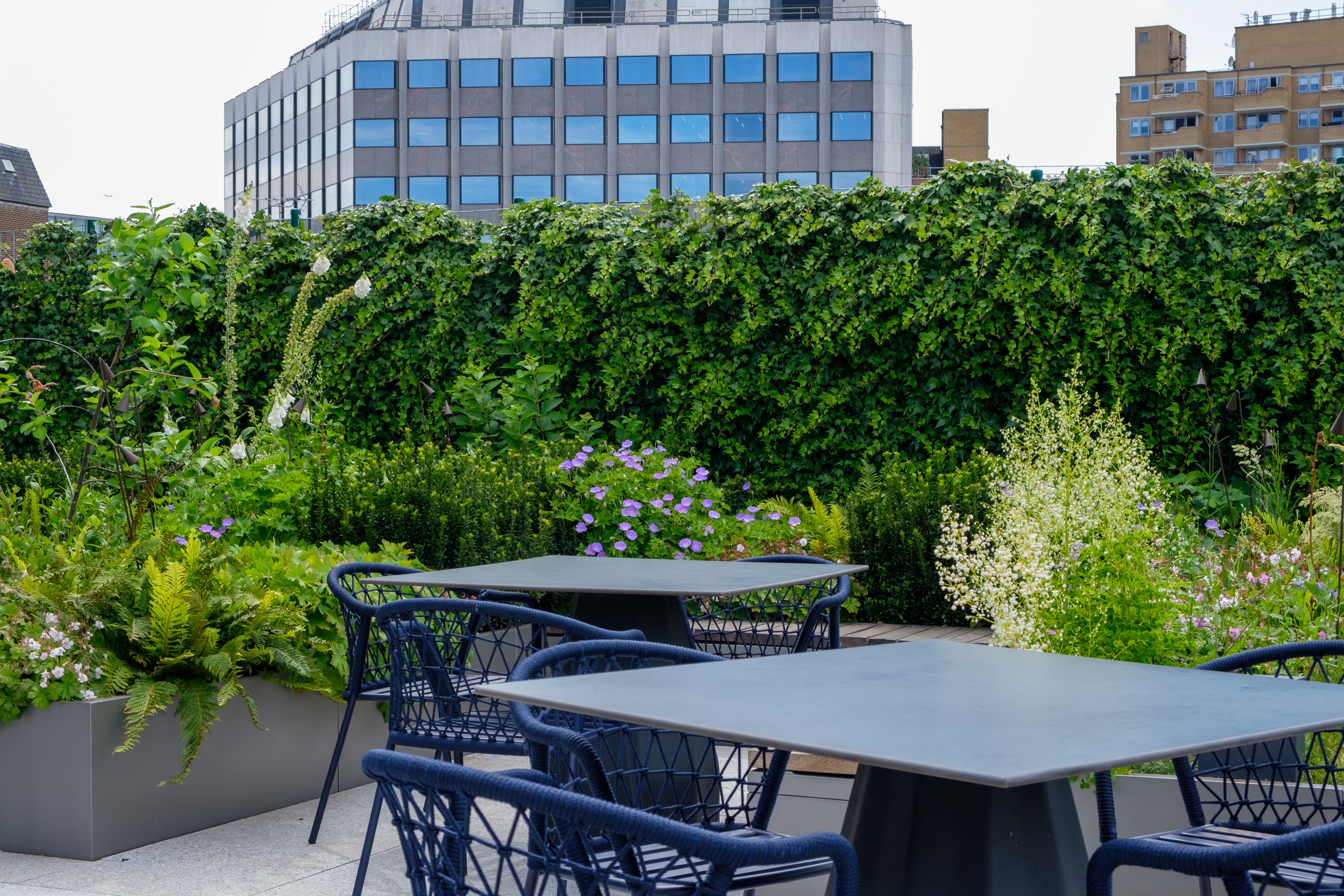
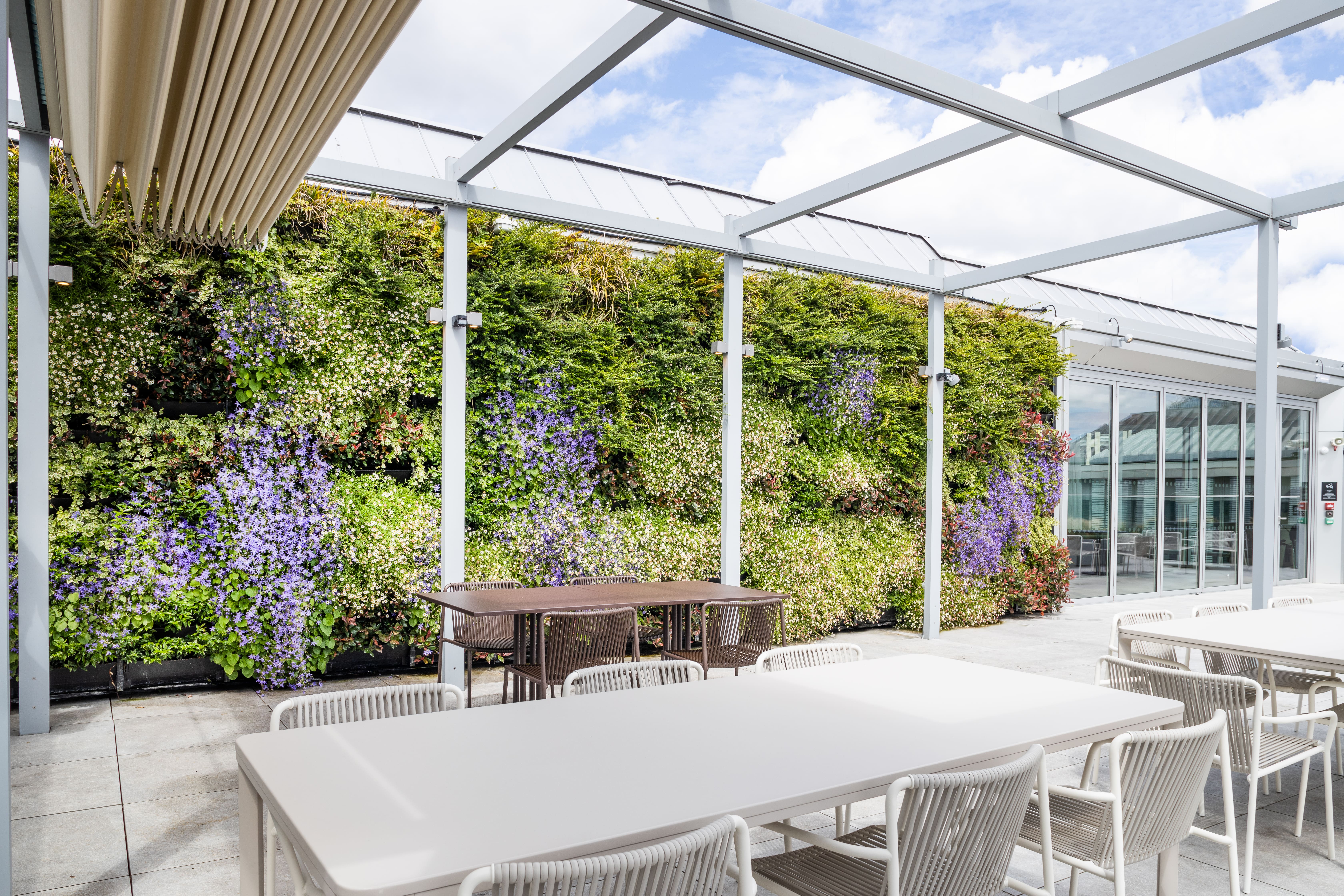
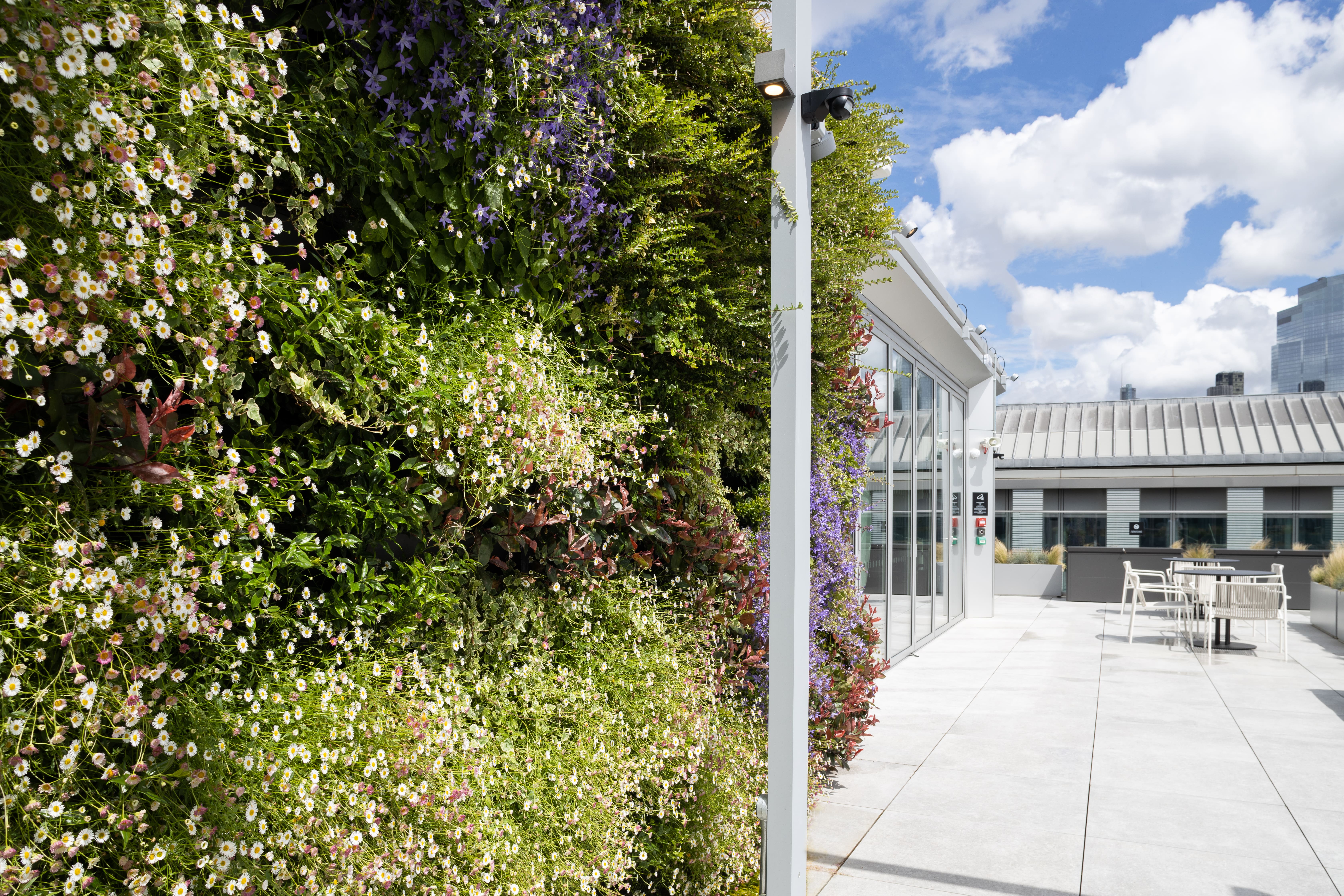
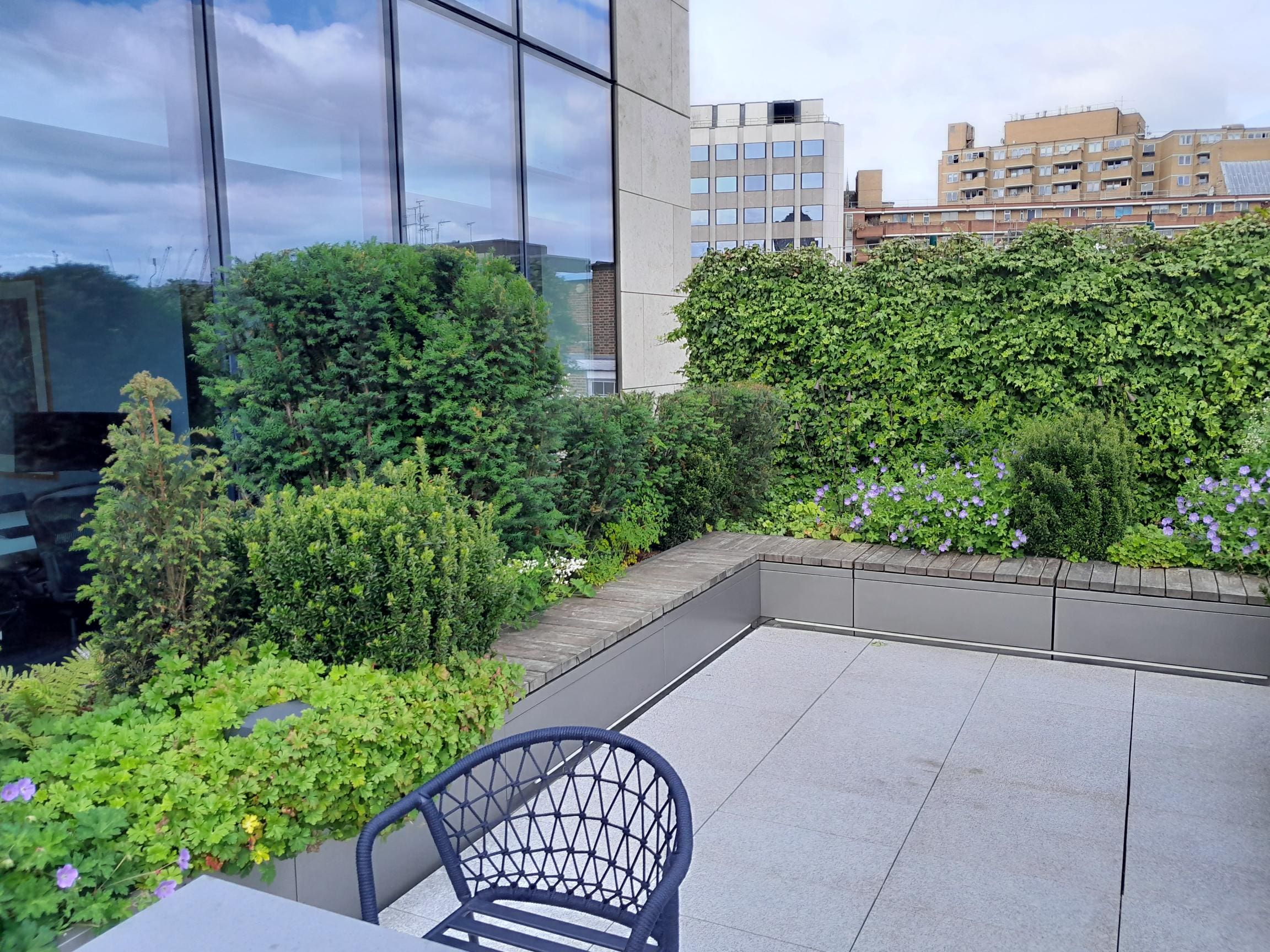
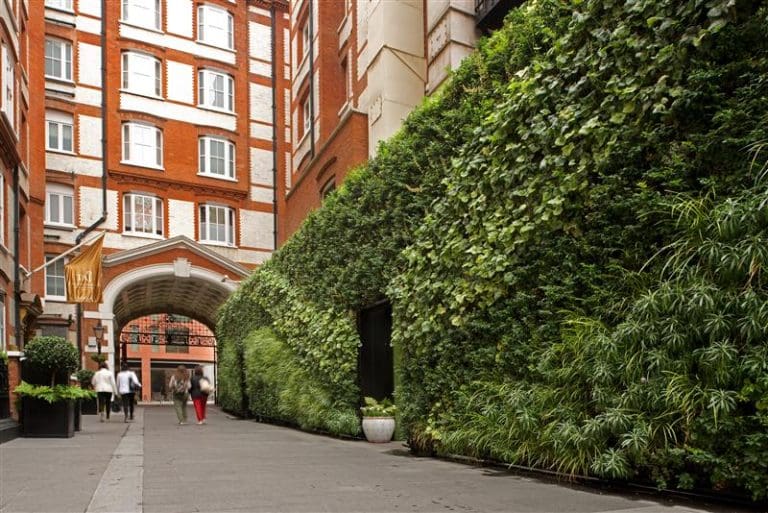
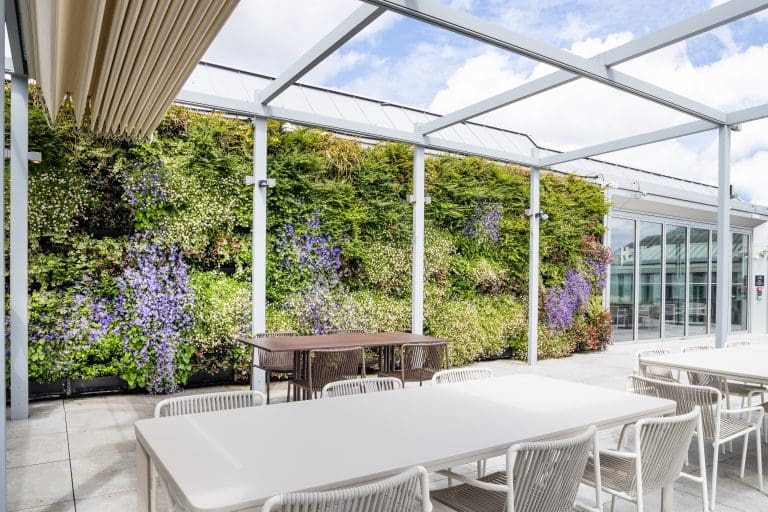
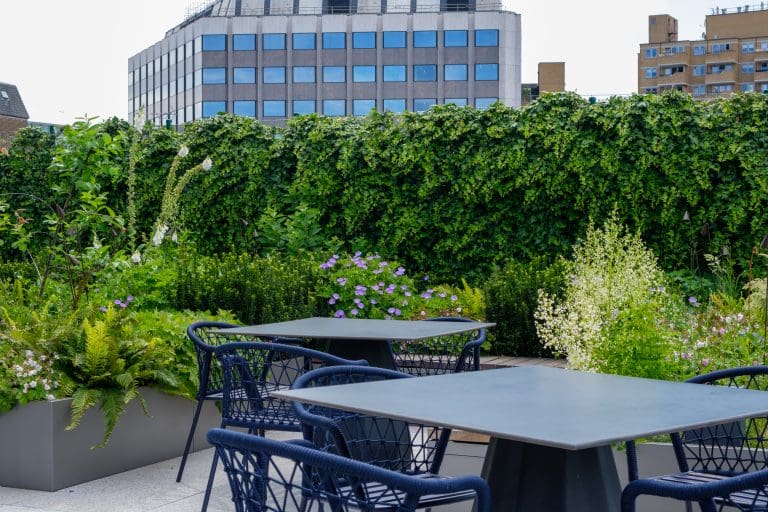
Exterior green walls and facades bring plant life to the outside of buildings. They must withstand weather and often provide building insulation and habitat.
Lighting Requirements
Interior living walls need adequate light. Most wall plants require at least 1000 lux at the leaf surface to thrive. In practical terms, this often means installing full-spectrum LED grow lights above the wall. The lights should provide both blue (∼430–440 nm) and red (∼640–660 nm) wavelengths for photosynthesis, though the lighting can be tuned to emit a pleasing white light (for good colour rendering and aesthetics). Light uniformity is important: designers aim for a ratio of minimum/maximum illuminance ≥0.33 so that all plants receive some light.
In technical terms, lighting is measured by Photosynthetic Photon Flux Density (PPFD). A target PPFD of about 35 μmol·m⁻²·s⁻¹ on the foliage is recommended for green walls. Over a full day, plants often need a Daily Light Integral (DLI) of roughly 1.5–4 mol·m⁻²·d⁻¹ (the exact need depends on the plant species). In many offices, natural daylight (even from windows) falls short of this, so supplemental LEDs are used. Work with a lighting engineer or horticultural lighting specialist to calculate lamp power and placement.
- Provide LED fixtures rated for plant growth (or use high-CRI white LEDs).
- Mount lights 1–2 m from the wall for even coverage.
- Avoid UV-heavy lighting indoors (green wall plants don’t need UV and extra UV can cause fast, ungainly growth).
- Use timers to give plants ~10–14 hours of light per day (mimicking natural days).
- In daylight zones, choose plants suited to the light level (shade-loving ferns versus sun-loving bromeliads)
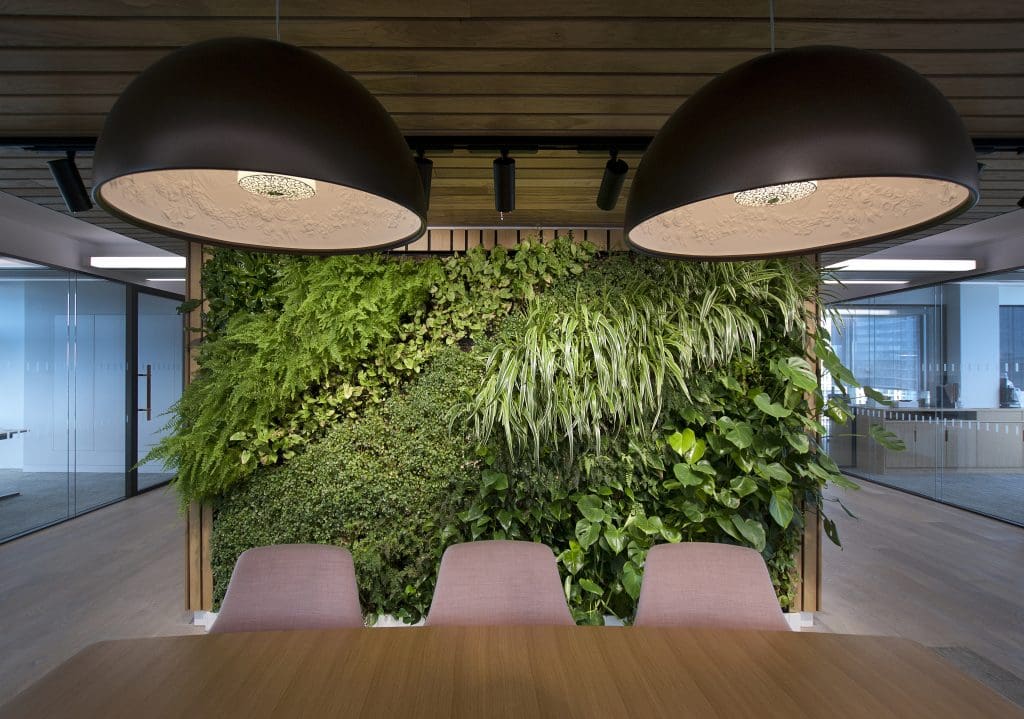
Planning and Installation Considerations
Before installing any green wall, careful planning is crucial. Key considerations include:
- Structural Support: Assess the load-bearing capacity of the wall or support structure. A fully saturated green wall can weigh at least 50–100 kg/m² . A structural engineer should verify that the wall and anchorage can handle this weight plus wind or seismic loads. For light planters, ground-anchored frames may suffice; for heavy cladding systems, special hangers and infill panels are used.
- Waterproofing and Drainage: Any irrigation leaks can damage the building. Install a waterproof membrane or gutter behind the green wall to collect overflow. Provide proper drainage lines to carry excess water safely away. In exterior walls, plan for stormwater connection or soakaway (for interior, a drip tray and drain to plumbing).
- Irrigation System: Most living walls require an irrigation pump and control unit. The pump, pipes, and possibly a nutrient reservoir often live in a nearby cabinet or “plant room”. Ensure you have space and access for this equipment. Plan piping routes from a water source and to the wall, and include backflow prevention as needed. In cold climates, winterize exposed pipes.
- Orientation and Environment: Consider sunlight, wind, and heat. South/west walls receive intense sun and can support more sun-loving plants, whereas north walls need shade-tolerant species. Also note any heat sources (e.g. windows, HVAC vents) that might stress plants. Plan for microclimate: walls under eaves get rain, exposed facades dry out quickly.
- Access for Maintenance: Life safety is key – plan how gardeners will reach the wall. Include scaffolding anchors, permanent catwalks, or ensure space for lifts. Design for occasional removal of panels or trimming from a platform.
- Safety and Codes: Check fire codes (some panels must meet Class B-s3,d2 ratings for cladding). Use materials rated for interior use if inside, or UV/weather-resistant products outside. In some jurisdictions, green facades or certain heights may require permits or consultations.
- Electrical and Other Services: Indoor green walls may need lighting or pumps – plan electrical circuits. Ensure any electrical equipment is rated for the damp environment of a green wall.
- Integration: Coordinate with other building systems. For example, make sure irrigation water can connect to building plumbing. Avoid routing irrigation over electrical fixtures. Incorporate the green wall into the architectural design (e.g. make irrigation controls accessible, integrate base planters as furniture).
By addressing these factors up front, you ensure the green wall will perform reliably.
Maintenance and Aftercare
Ongoing care is essential for long-term success. Living walls require routine inspections and horticultural upkeep similar to a garden or greenhouse. Below are the typical maintenance tasks:
- Regular Watering/Irrigation Checks: Verify that drip tubes or hydroponic lines are flowing. Check timers and sensors. In hydroponic systems, replenish nutrient solution and monitor pH. In soil systems, ensure the medium remains moist (but not waterlogged). If the wall is outdoors, adjust watering for season (more in summer, less in winter).
- Pruning and Trimming: Trim back any overgrown plants to maintain design shape and light exposure. Remove dead or diseased foliage promptly. In high-growth species, monthly pruning is common.
- Plant Replacement: Replace plants that die or fail to thrive. A good plant company will include free plants replacement in their maintenance contract.
- Cleaning Filters and Drippers: Clean or replace filters, flush lines to prevent algae or mineral buildup (especially in hydroponic or hard-water areas). This prevents clogs and root rot.
- Fertilization: Depending on the system, add fertilizer to the irrigation water or apply to soil periodically. Many green wall plants are light feeders, but replenishing nutrients ensures vigor.
- Inspect Structure: Check that panels and supports remain securely attached. Look for leaks, eroded support brackets, or corrosion. Repair any membrane damage immediately to prevent water ingress.
- Pest and Disease Control: Watch for insects (aphids, scale) and fungal issues. Since plant density is high, infestations can spread rapidly if unchecked.
- Seasonal Tasks: In climates with cold winters, plants may need some protection (e.g. remove sensitive species or use temporary covers). In summer heat, increase irrigation frequency. Remove leaf litter or debris that accumulates on the wall.
Overall, consistency is key. The long-term success of a living wall is dependent upon a robust maintenance and care program. Neglecting maintenance will quickly lead to plant loss and system problems.
Some Frequently asked Questions
A green wall (also called a living wall or vertical garden) is a vertical surface covered with plants. It can be inside or outside, and may use live, artificial, or preserved greenery.
Green walls improve air quality, reduce noise, boost wellbeing, and enhance building aesthetics. Outdoors, they also cool buildings and support biodiversity.
A living wall is a type of green wall that uses real plants, water, and nutrients. “Green wall” is a broader term that can also include artificial and preserved moss systems.
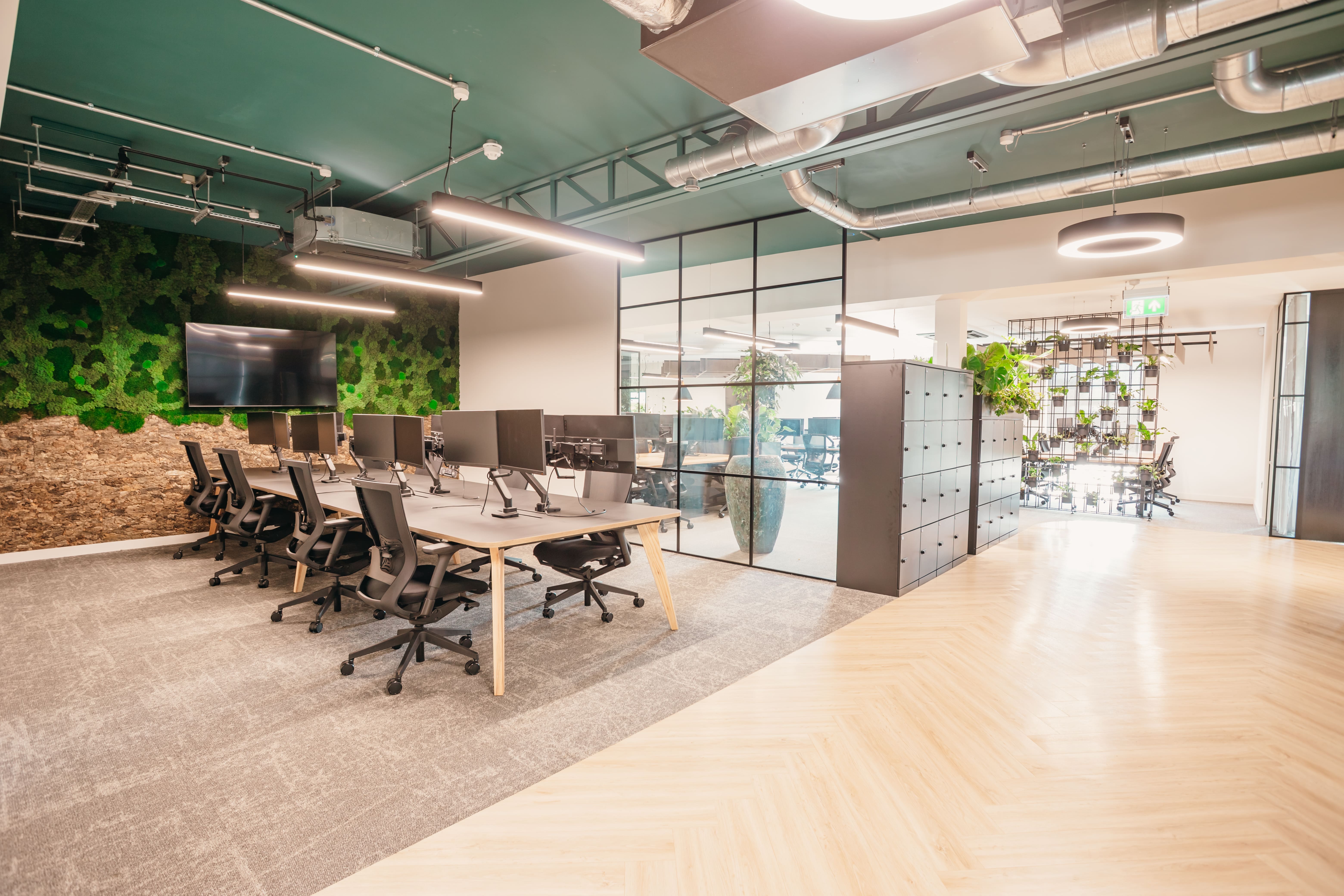
Living walls, artificial walls, preserved moss walls, living pictures, and mobile green dividers are all popular in office spaces. The best type depends on light levels, budget, and maintenance capacity.
Yes. Most living walls need at least 1000 lux at plant level. In darker areas, full-spectrum LED grow lights are usually installed.
Living walls require regular watering, pruning, plant replacement, and irrigation checks. A maintenance contract is recommended for consistent care.
Yes. You can use artificial green walls or preserved moss walls, both of which need no light. Living walls can work too, if fitted with grow lights.
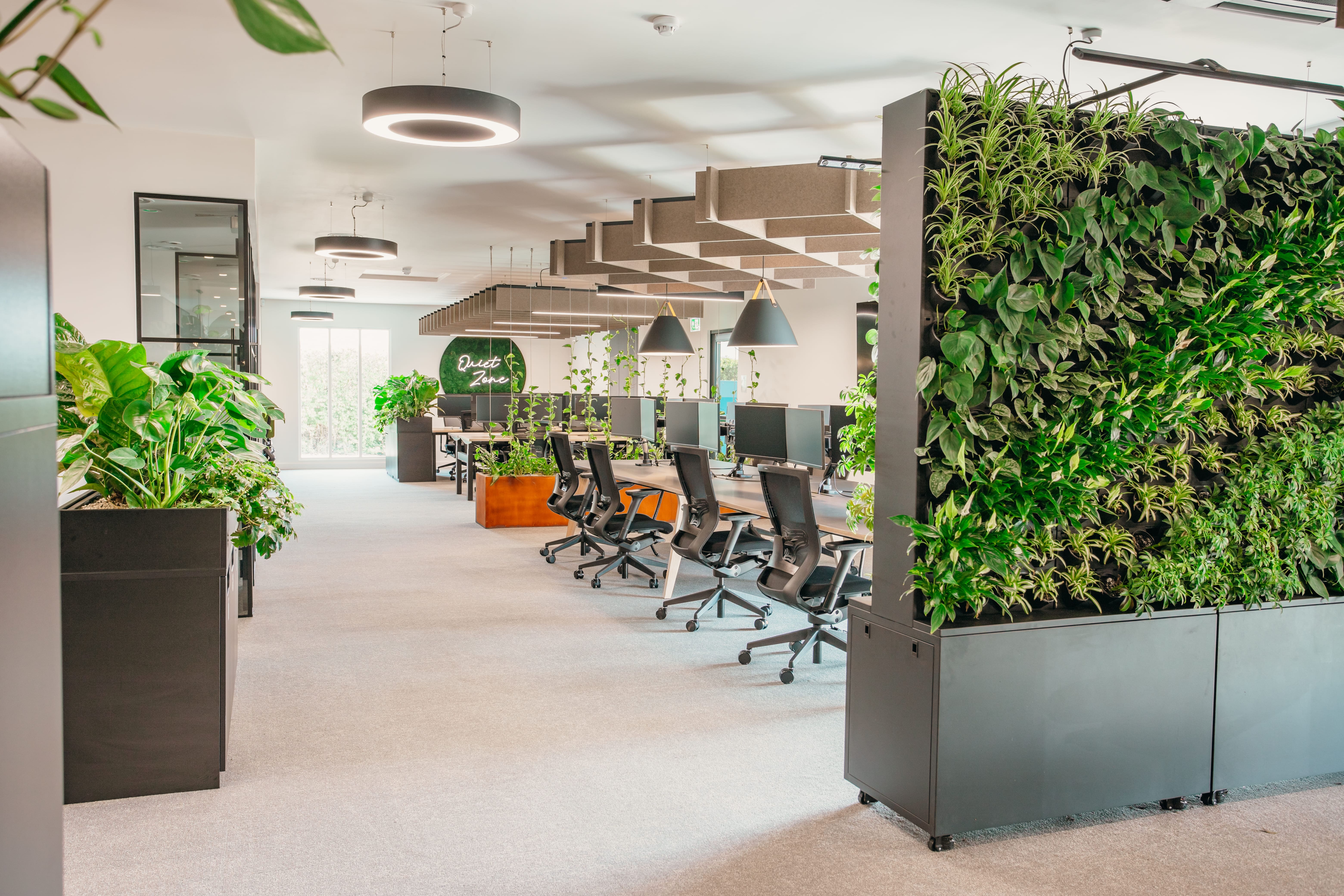
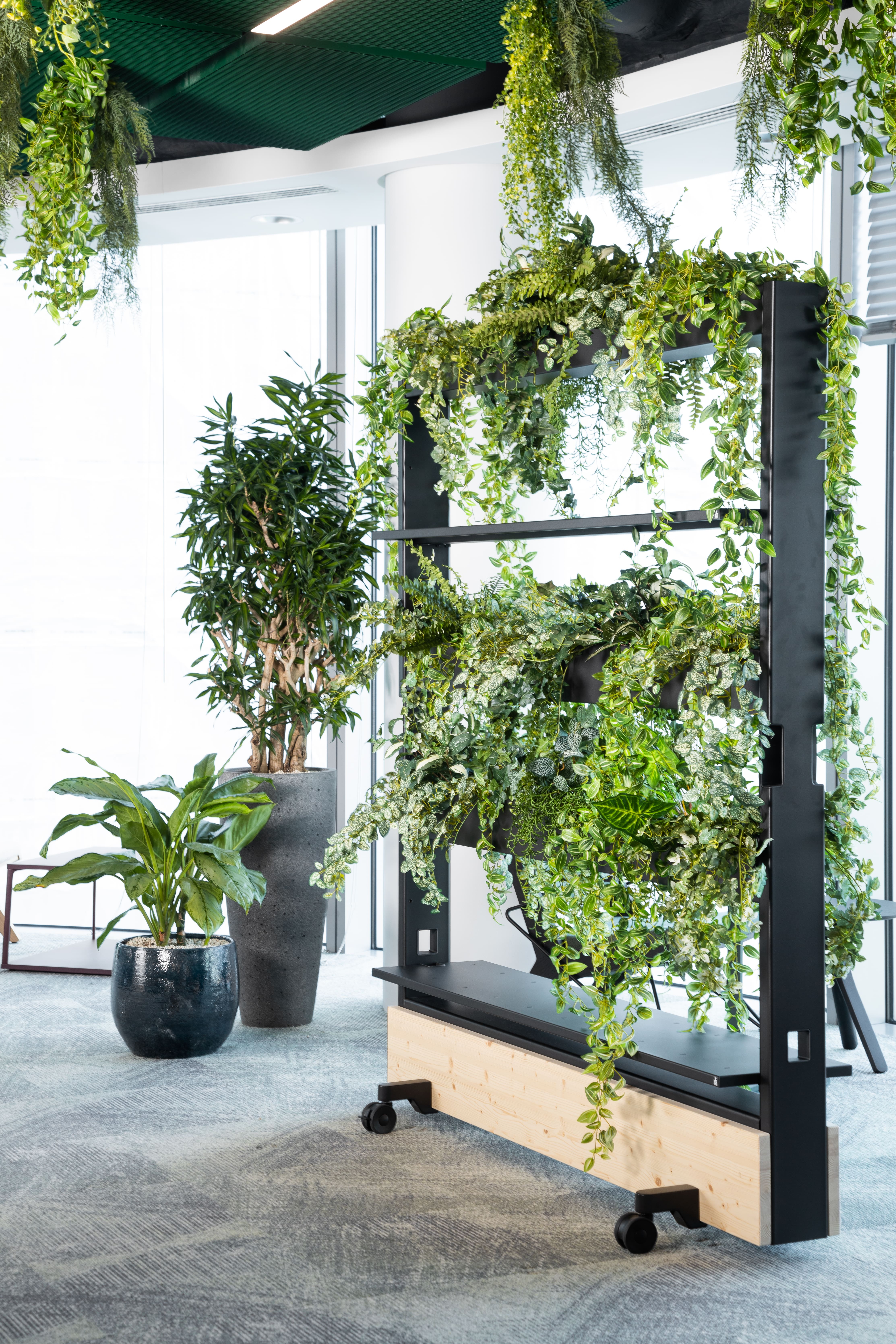
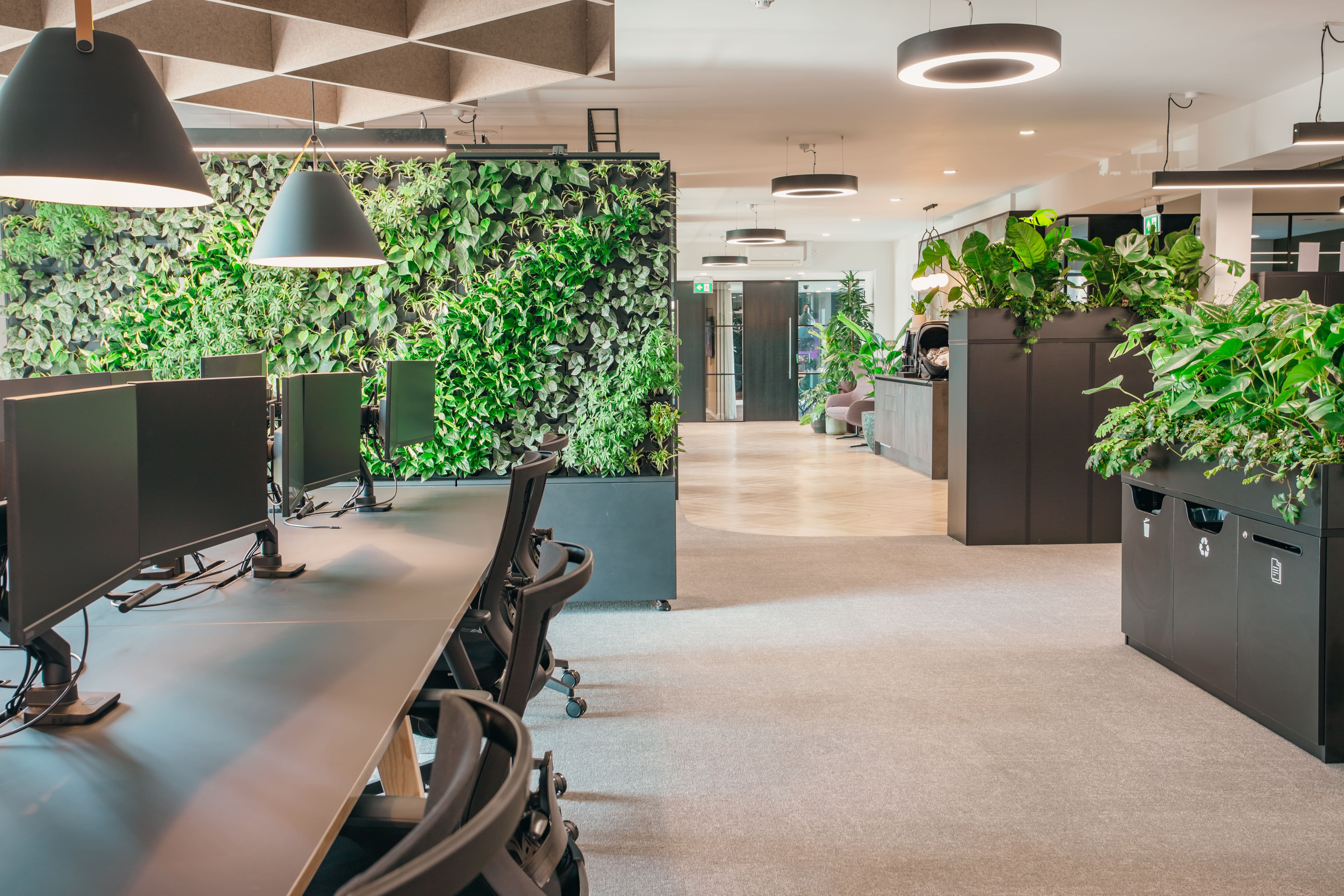
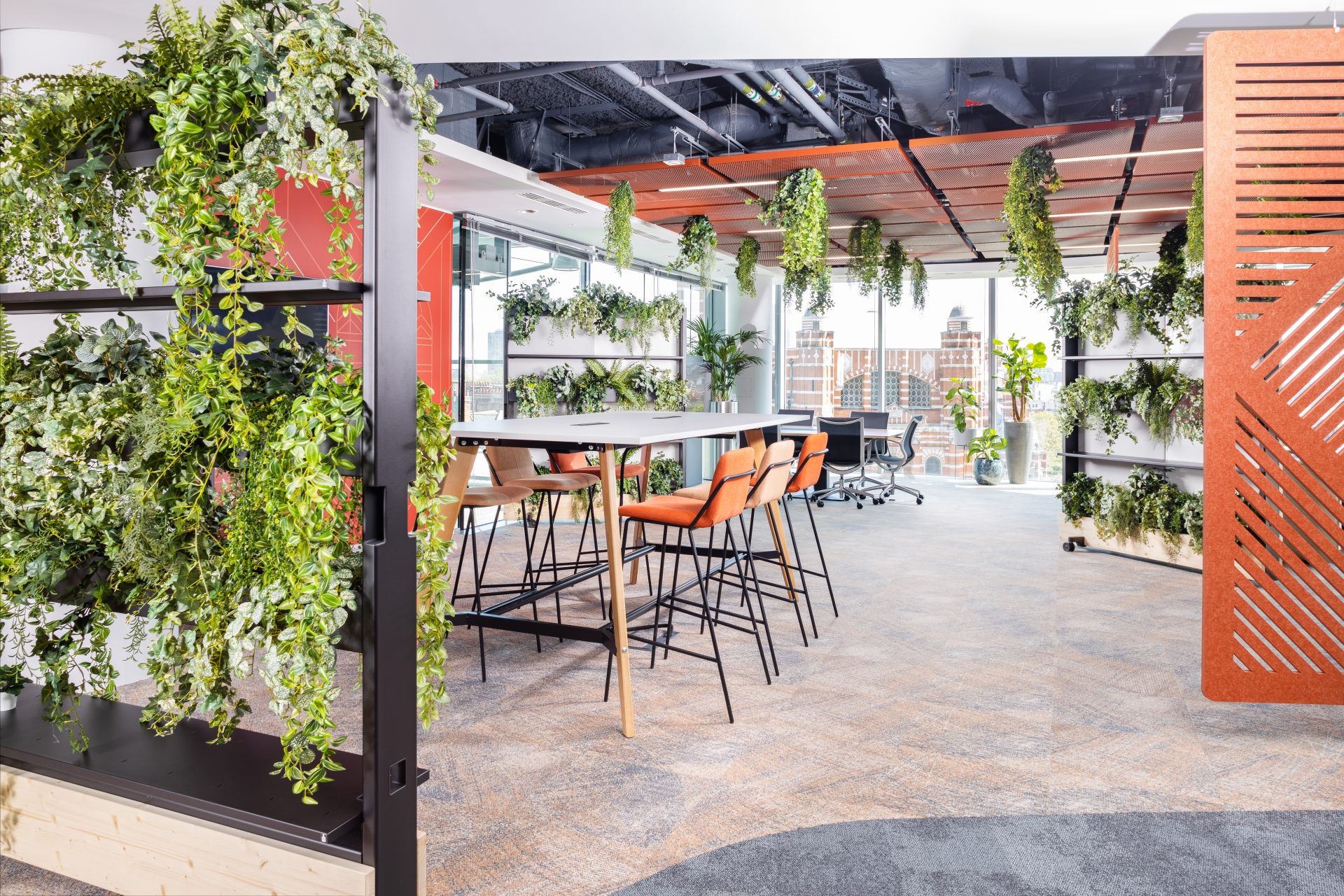
These are freestanding plant panels on wheels or stable bases. They divide space while adding greenery and can be moved or reconfigured easily.
Outdoor living walls use robust frames and irrigation systems. They attach to buildings or freestanding structures and use climate-suited plants to create living facades.
Yes. Studies show green walls can reduce exterior wall temperatures by up to 14°C. This can lower internal cooling demand and improve energy efficiency.
Yes. Artificial green walls and ivy screens require little upkeep. Wildflower walls need seasonal care but are designed for biodiversity rather than appearance.
Saturated living walls can weigh 50–100 kg per square metre. Always check structural capacity with an engineer before installation.
Key requirements include a load-bearing surface, waterproofing, drainage, irrigation system, and adequate lighting. Maintenance access must also be considered.
Costs vary by size, system type, and complexity. Living walls have higher upfront and maintenance costs. Artificial and moss walls are cheaper long-term.
Exterior installations might, depending on size, height, and local regulations. Interior walls generally don’t. Always check with your local planning authority.
Typical contracts include watering, fertilisation, pruning, plant replacement, pest checks, irrigation system checks, and structural inspections.
It's possible, but professional maintenance is recommended to ensure irrigation, lighting, and plant health are managed properly.
Yes, when designed well. Living walls can reduce heat gain, capture rainwater, and support biodiversity. Using UK-grown plants and peat-free media can further reduce environmental impact.
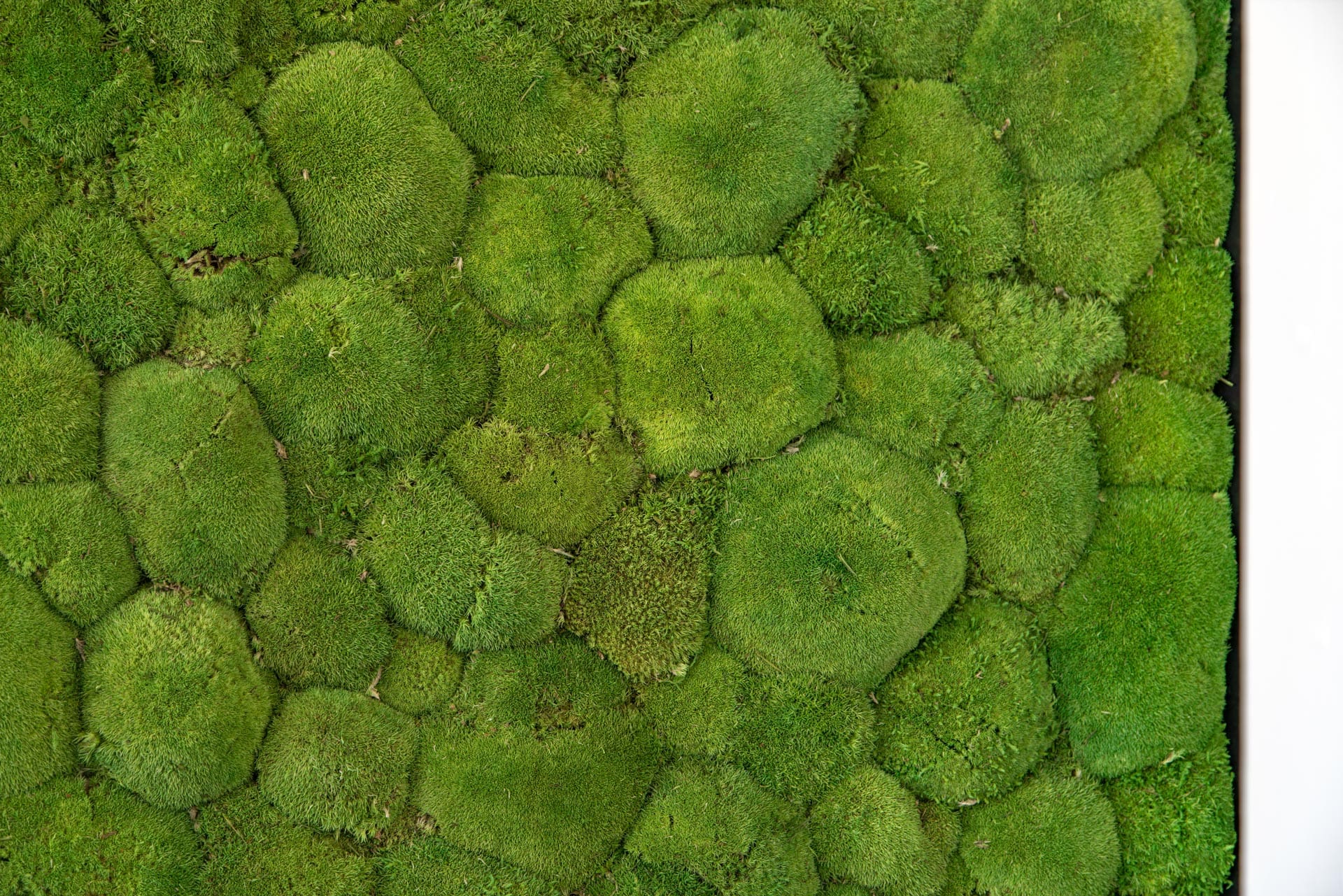
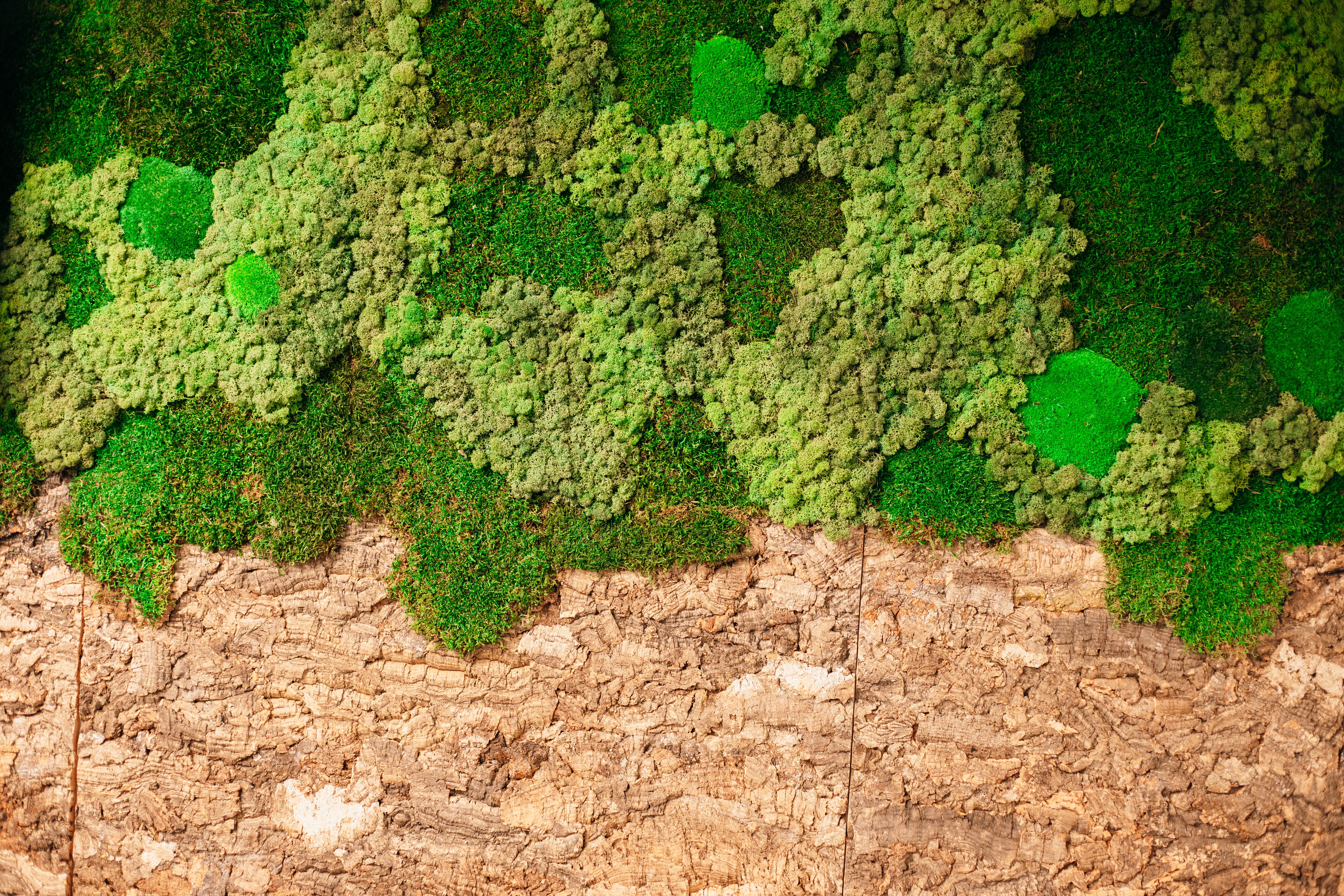
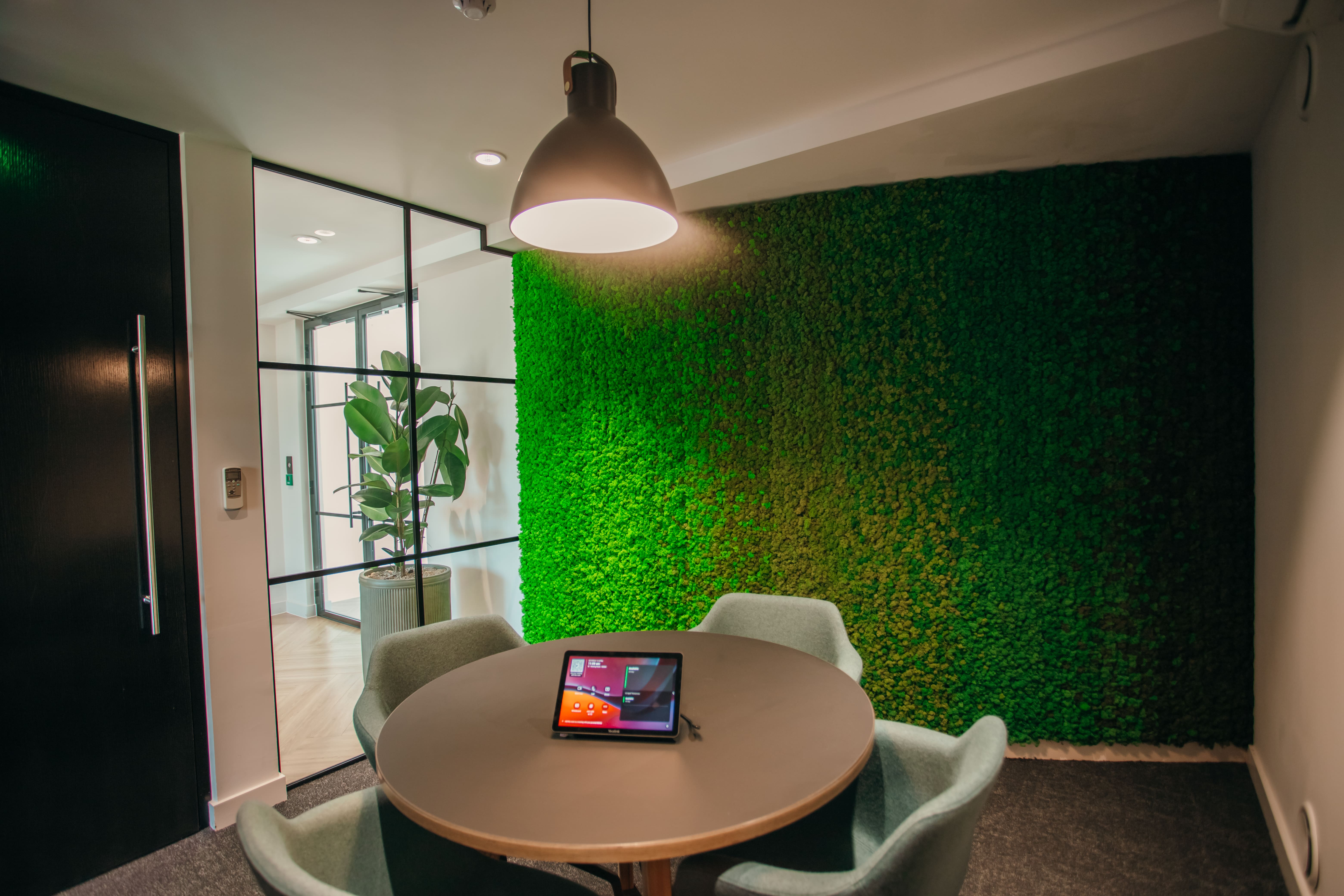
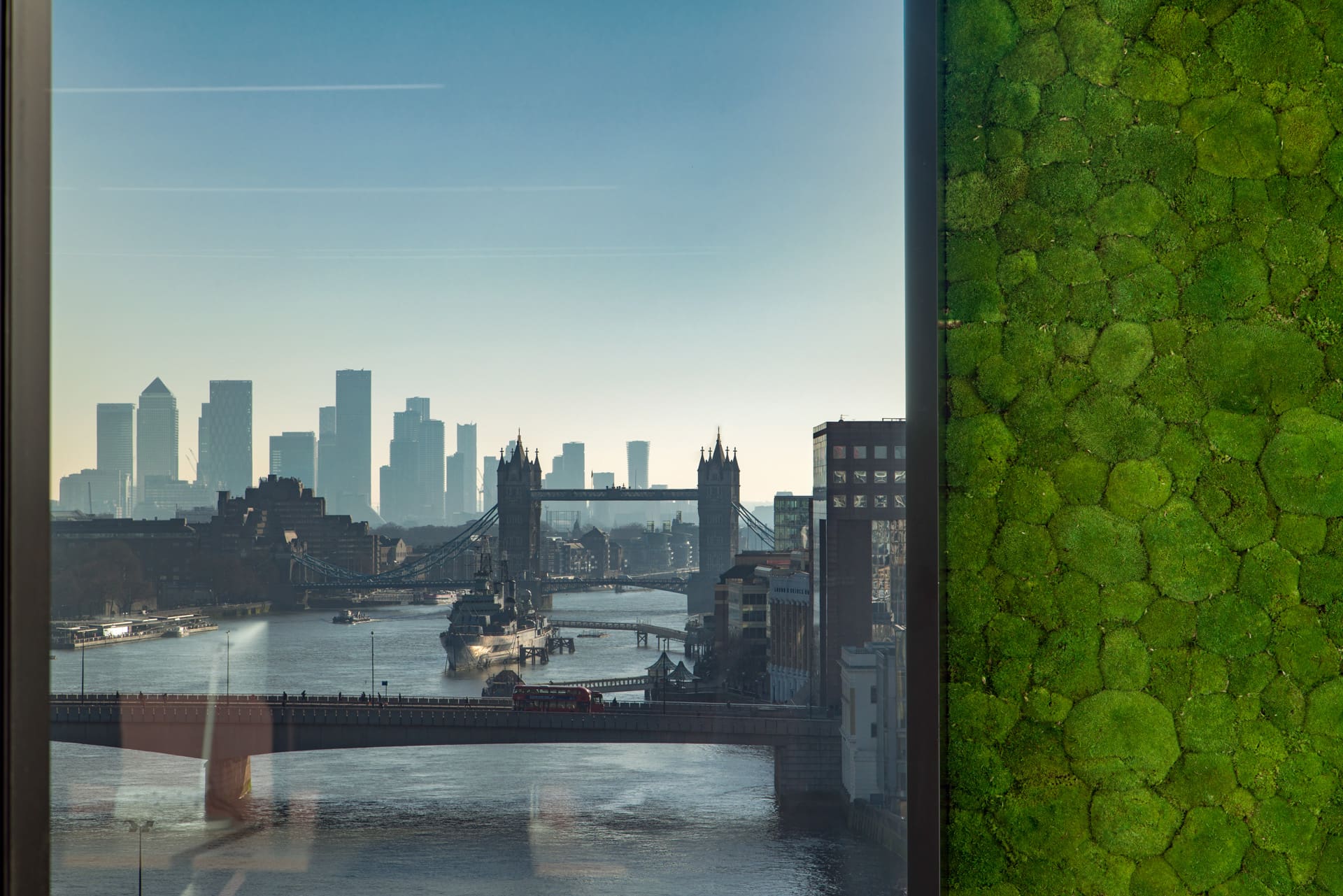
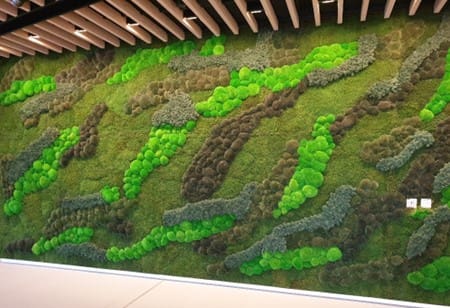
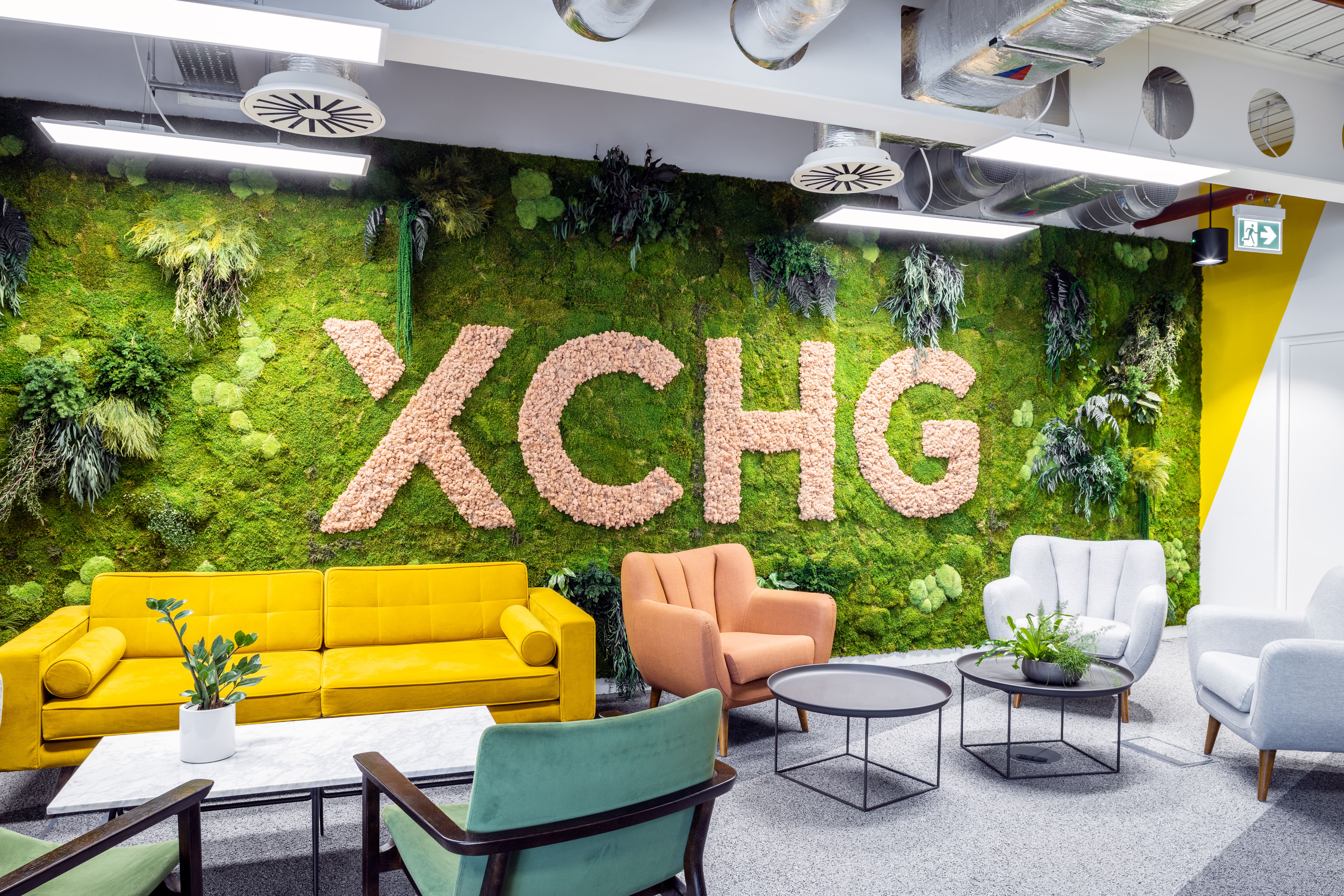
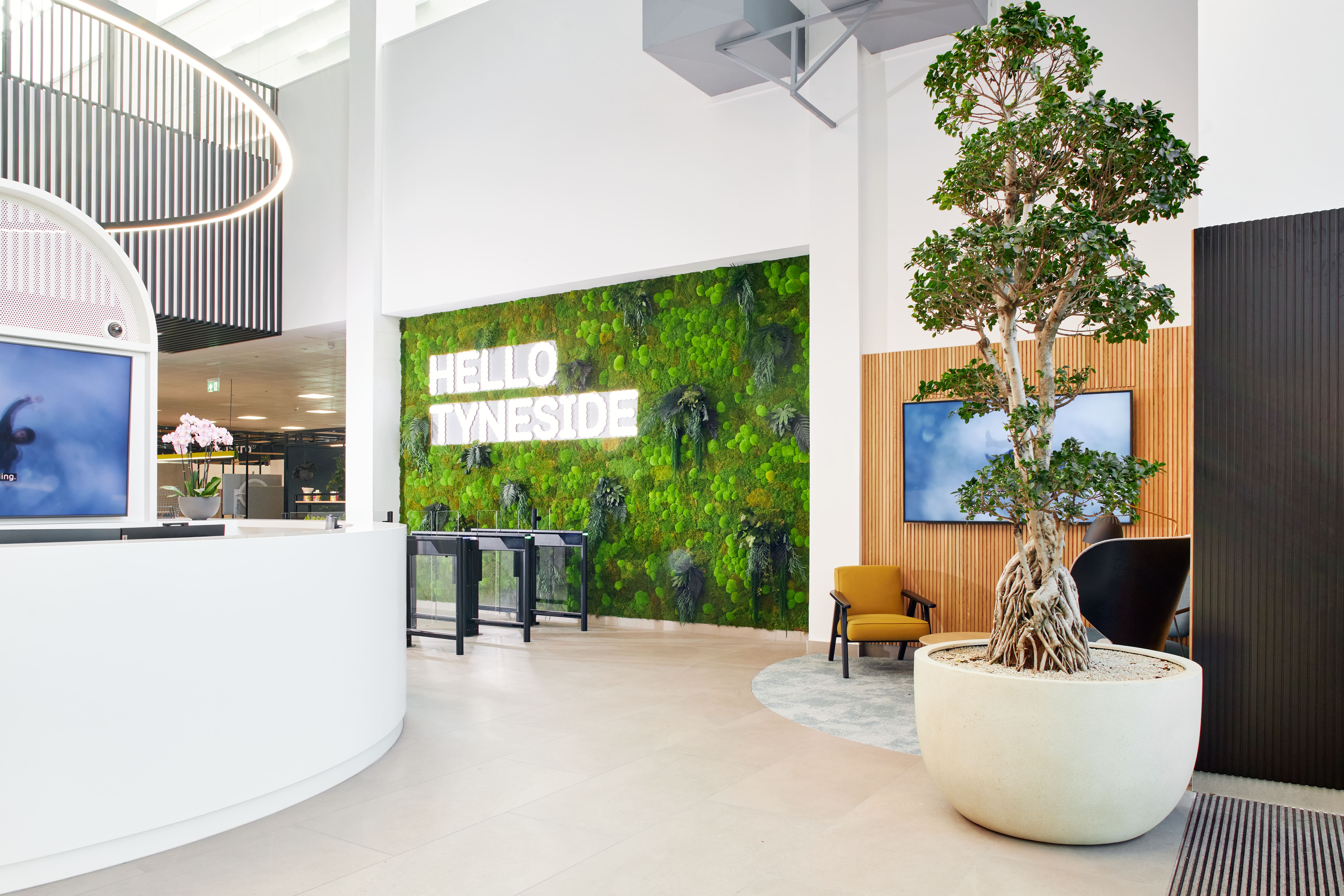
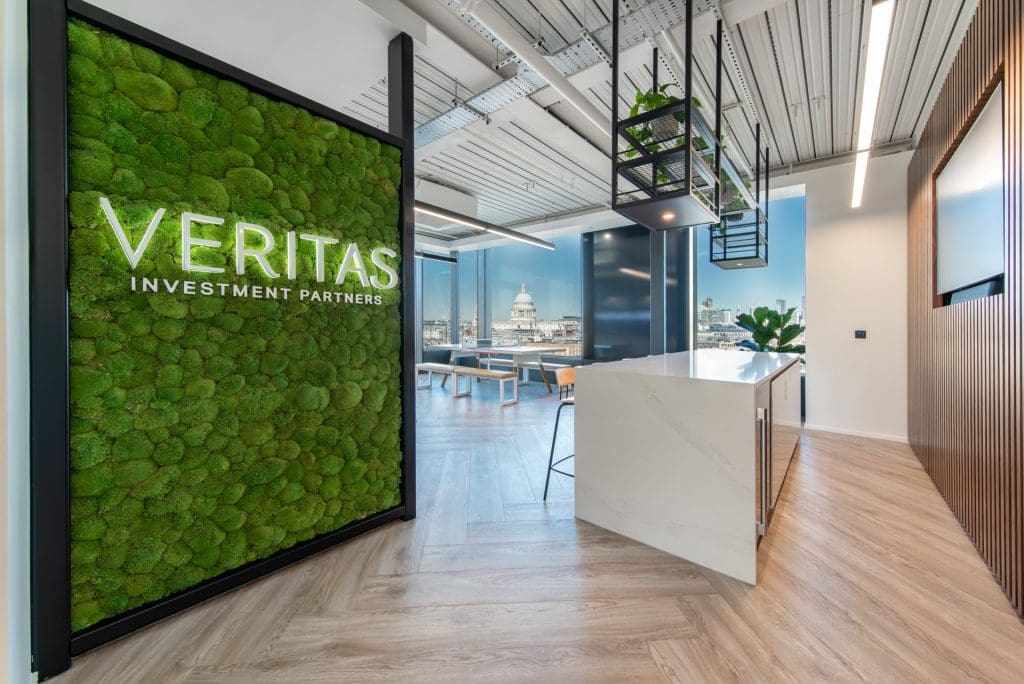
It’s a real moss installation treated with natural preservatives. It stays soft and green without growing, and doesn’t need water, light, or soil.
High-quality panels can be very realistic, especially from a short distance. However, up close, it is almost always possible to tell they are not real. They’re best for low-light or low-maintenance settings where a real wall wouldn't be practical.
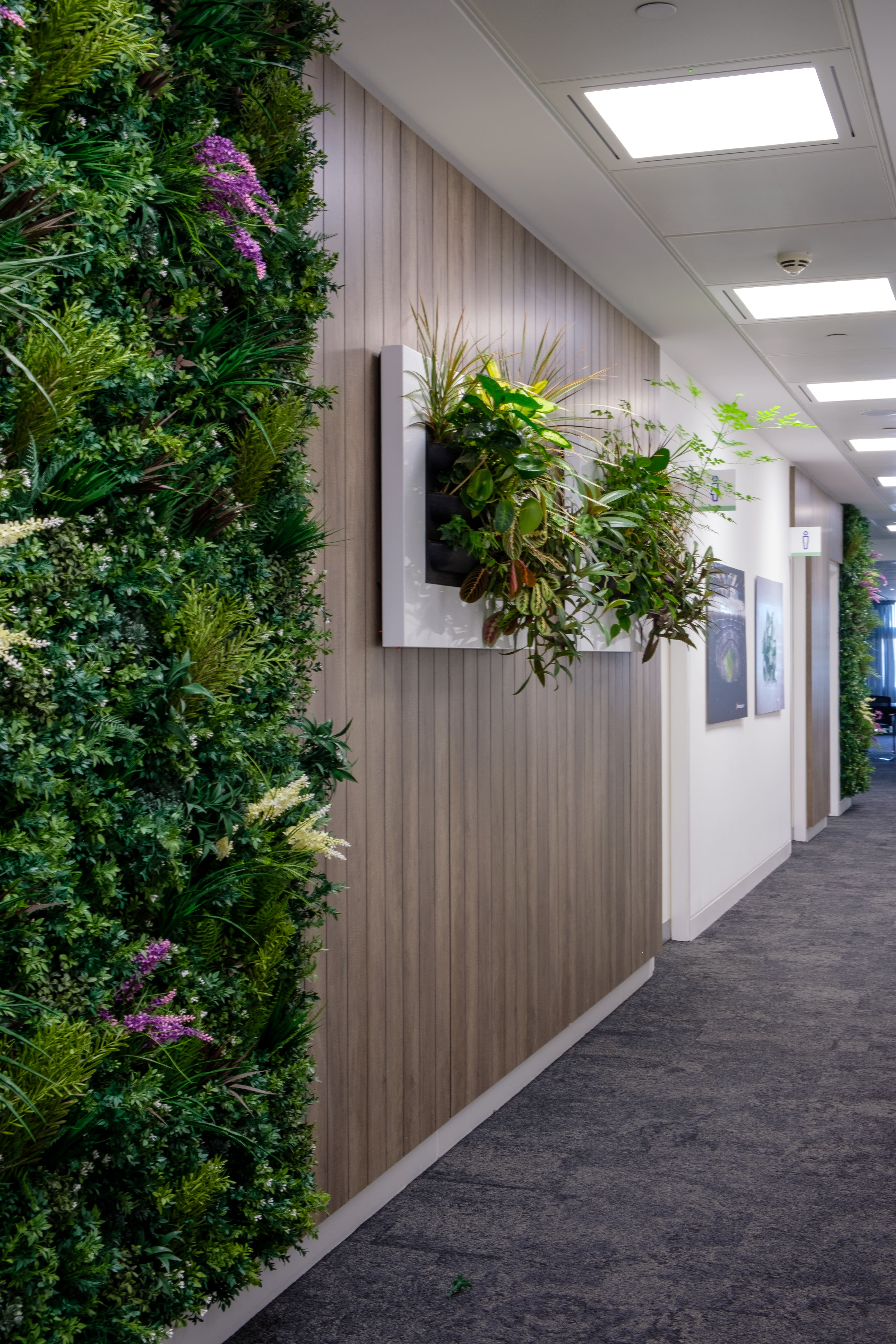
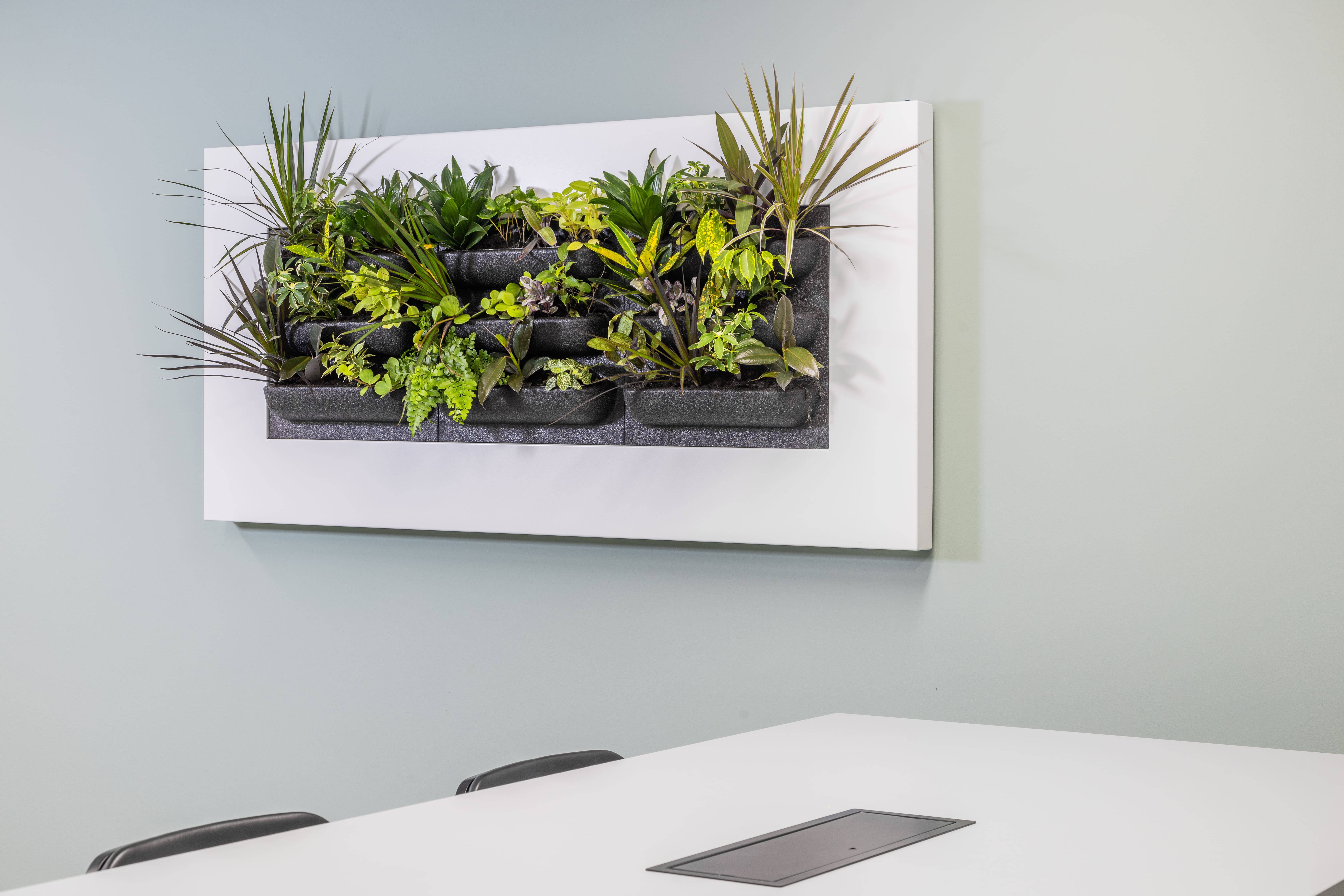
A living picture is a framed arrangement of live plants, hung like artwork. It’s a compact green wall suited to small or decorative spaces.