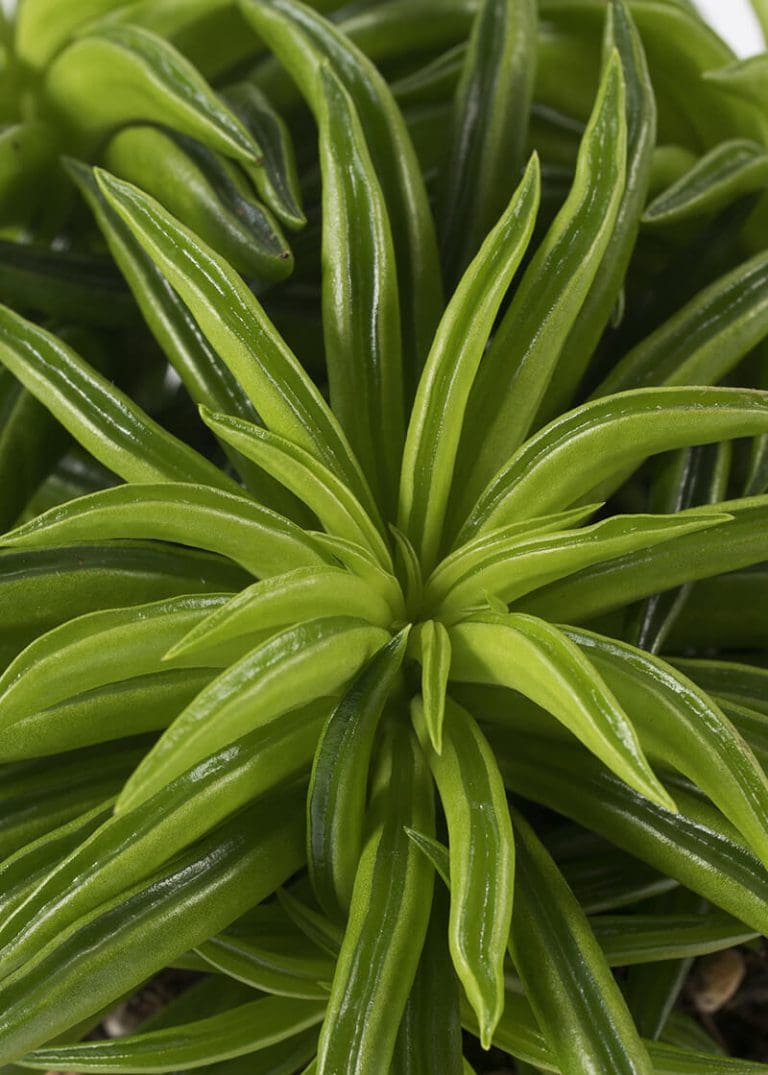
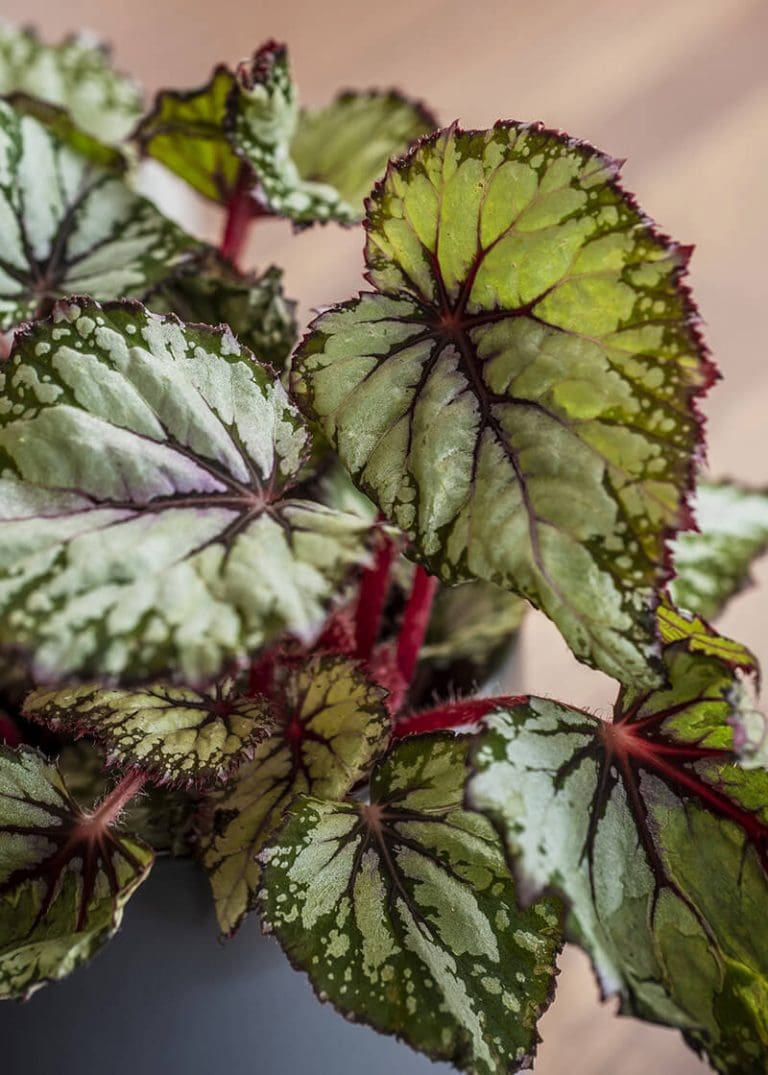
Fiddle Leaf Fig, or Ficus lyrata, is a large-leaved member of the fig family and a popular floor-standing houseplant.
Latin name Strelitzia nicolai
Pronunciation (“stre-LITZ-ee-uh NIK-oh-lie”)
Common name Giant White Bird of Paradise, Wild Banana
Origin Eastern South Africa and Mozambique
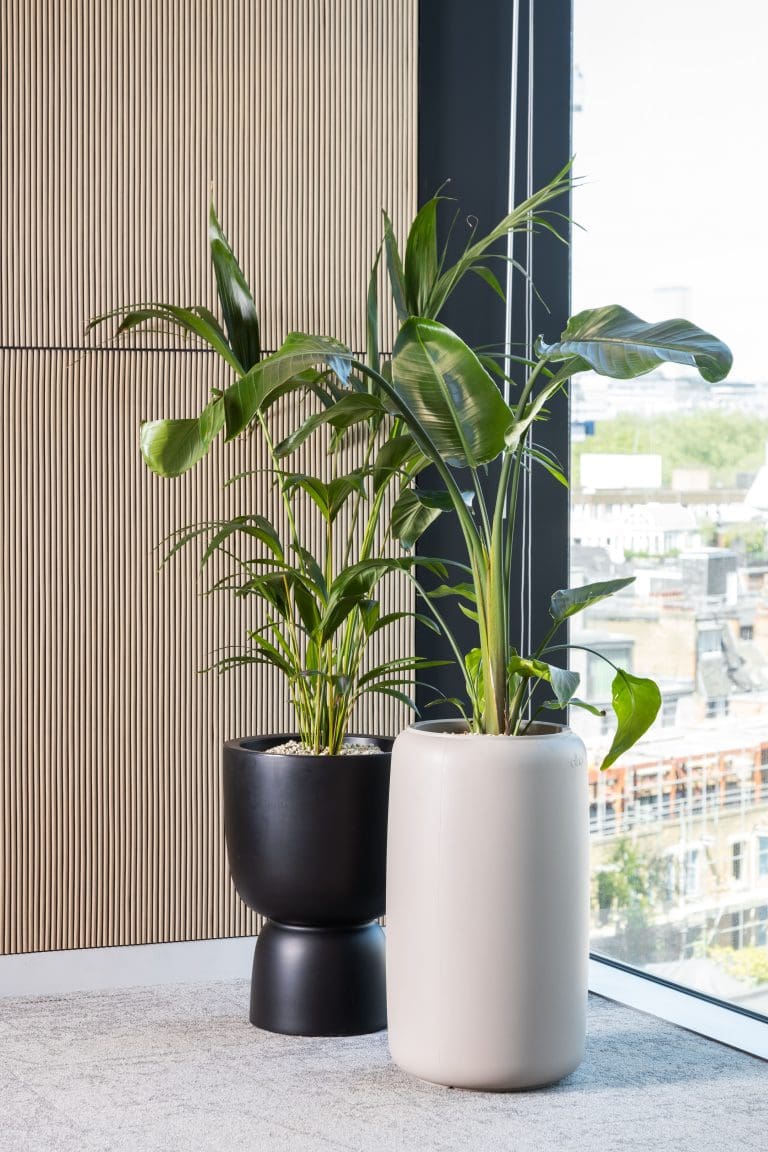
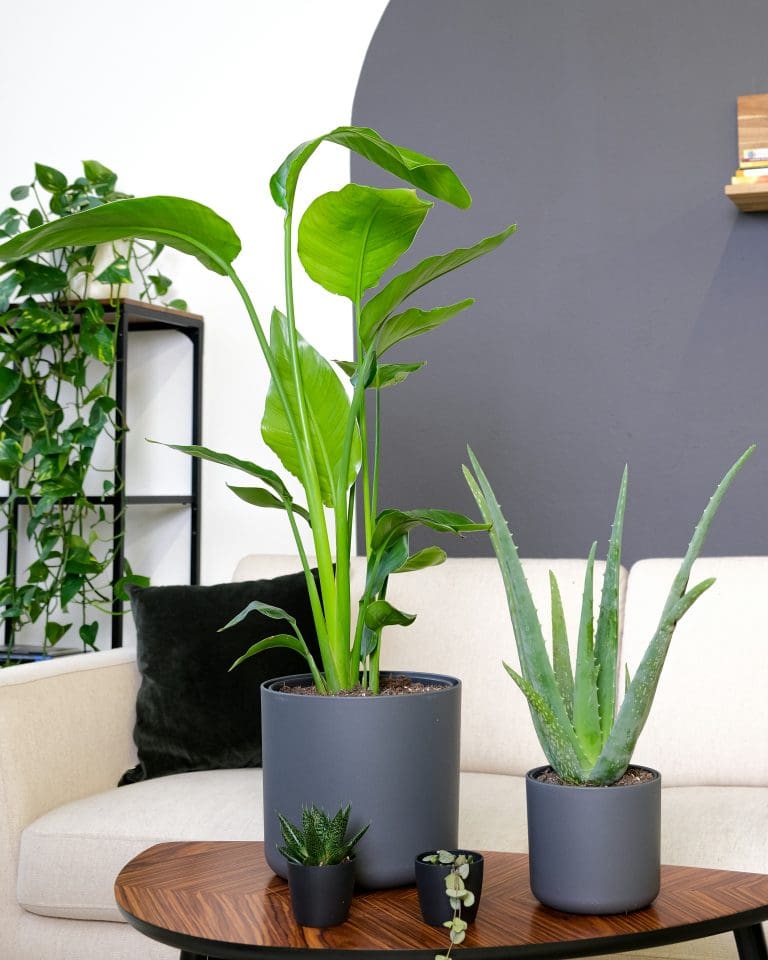
Strelitzia nicolai is the giant relative of the Bird of Paradise plant. It forms clumps of tall stems that can reach 6 m in the wild, though usually smaller indoors. The large, banana-like leaves emerge in fans and can tear naturally in wind or with age, creating a distinctive tropical look. In ideal conditions, mature plants produce striking white and blue, bird-shaped flowers.
Did you know?
Strelitzia nicolai is pollinated in the wild by sunbirds. When the bird lands on the flower to drink nectar, its weight opens the “beak” of the flower and dusts the bird with pollen, which it carries to the next bloom.
Mildly toxic to pets and humans if ingested. The seeds and flowers contain tannins and hydrocyanic acid derivatives, which may cause nausea or digestive upset. The leaves are generally considered low risk.
caring for your plant
Light
This plant thrives in the sun. Bright, full light is recommended.
Watering
Soil should be moist, particularly in the warm months. Water whenever the top two inches of soil are dry.
Pruning
Dead leaves and spent blooms should be cut off with a sharp knife or secateurs. Otherwise, no pruning is necessary.
Feeding
A liquid plant food can be applied every four to six weeks.
pest & diseases
Prone to attack by mealybugs and other sap-sucking insects.
Where the Strelitzia Nicolai originates from
Eastern South Africa and Mozambique, typically found in coastal subtropical forests.
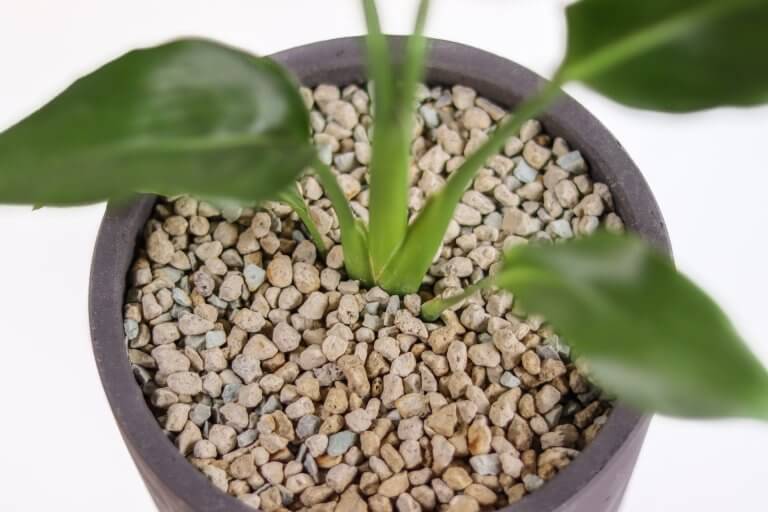
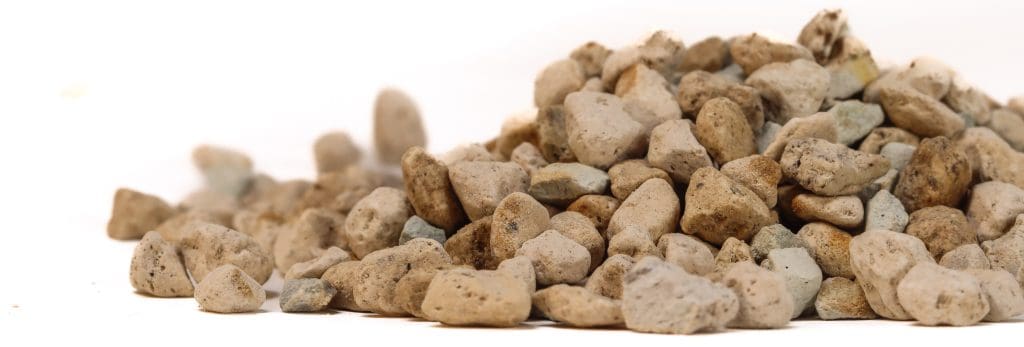
Our plants are grown in Ecoponic, an alternative to soil. Officially known as a vulkaponic substrate, it replaces traditional compost with a clean, mineral-based medium that helps protect peatlands.
According to the IUCN UK Peatland Programme, “A loss of only 5% of UK peatland carbon would be equal to the UK’s annual greenhouse gas emissions.” As well as storing carbon, the natural wetlands where peat is found are critical to the survival of plants and wildlife. Ecoponic also improves plant health and uses water more efficiently.
Research from the University of Exeter found that offices with plants can increase productivity by up to 15% while also improving concentration and job satisfaction.
Plantopedia is brought to you as part of our Engage & Bloom workplace experience program.
explore more
Why not continue your journey through the plant world. Explore more plants, their stories, habitats and the benefits they bring to spaces.
To provide the best experiences, we use technologies like cookies to store and/or access device information. Consenting to these technologies will allow us to process data such as browsing behaviour or unique IDs on this site.
Functional
Always active
The technical storage or access is strictly necessary for the legitimate purpose of enabling the use of a specific service explicitly requested by the subscriber or user, or for the sole purpose of carrying out the transmission of a communication over an electronic communications network.
Preferences
The technical storage or access is necessary for the legitimate purpose of storing preferences that are not requested by the subscriber or user.
Statistics
The technical storage or access that is used exclusively for statistical purposes.The technical storage or access that is used exclusively for anonymous statistical purposes. Without a subpoena, voluntary compliance on the part of your Internet Service Provider, or additional records from a third party, information stored or retrieved for this purpose alone cannot usually be used to identify you.
Marketing
The technical storage or access is required to create user profiles to send advertising, or to track the user on a website or across several websites for similar marketing purposes.