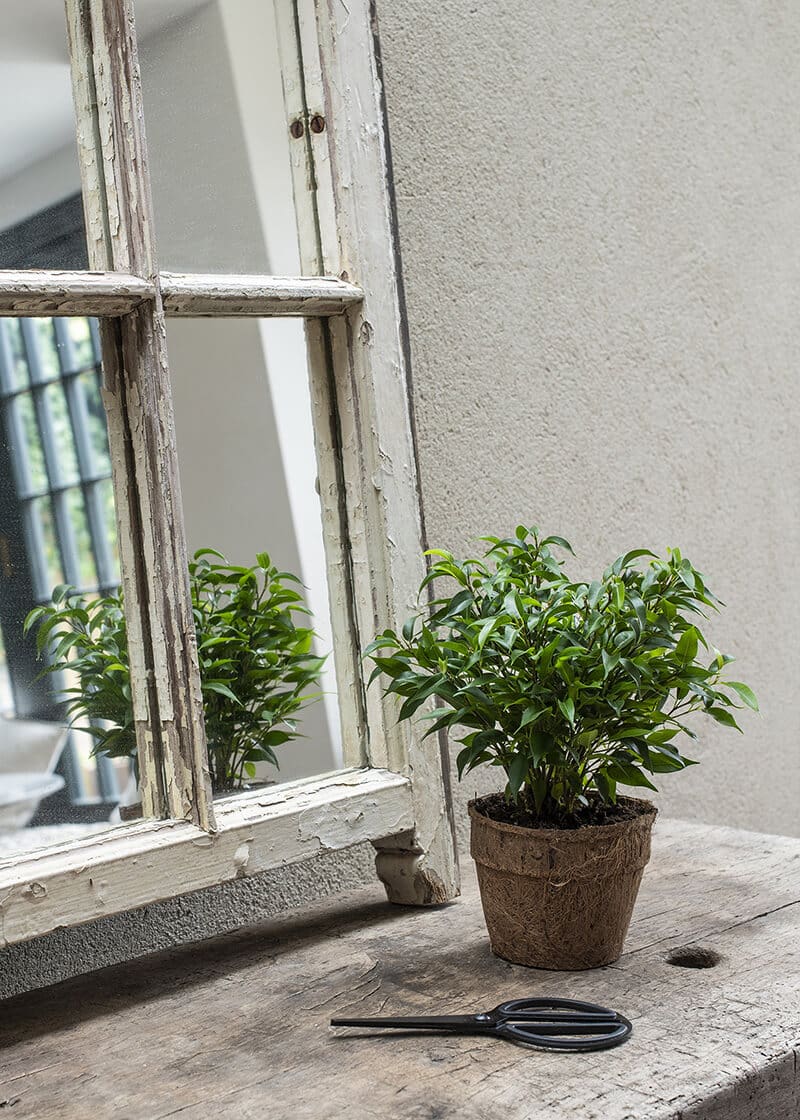
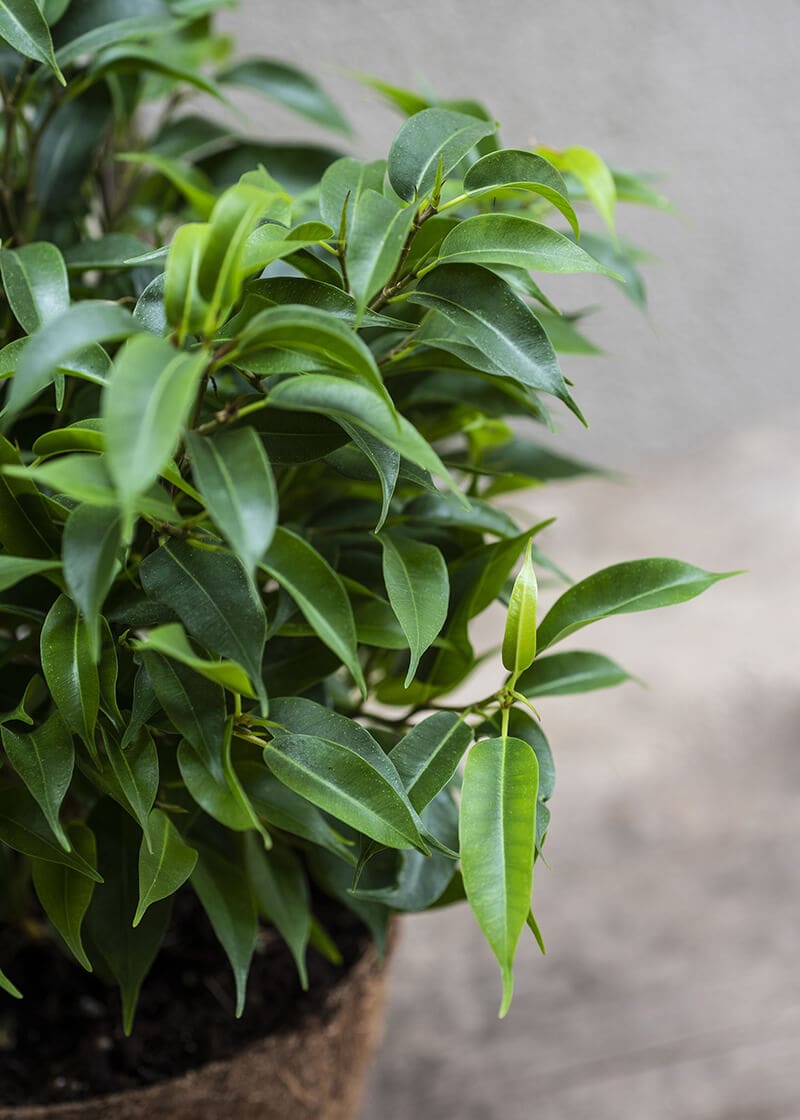
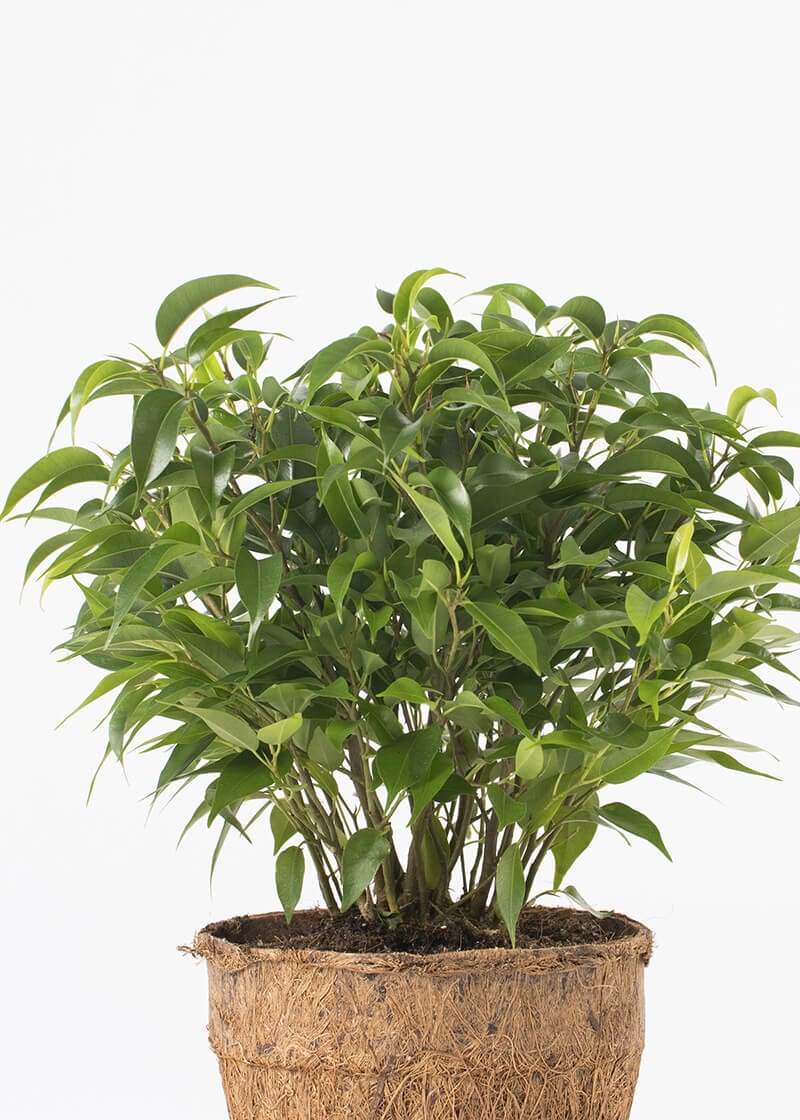
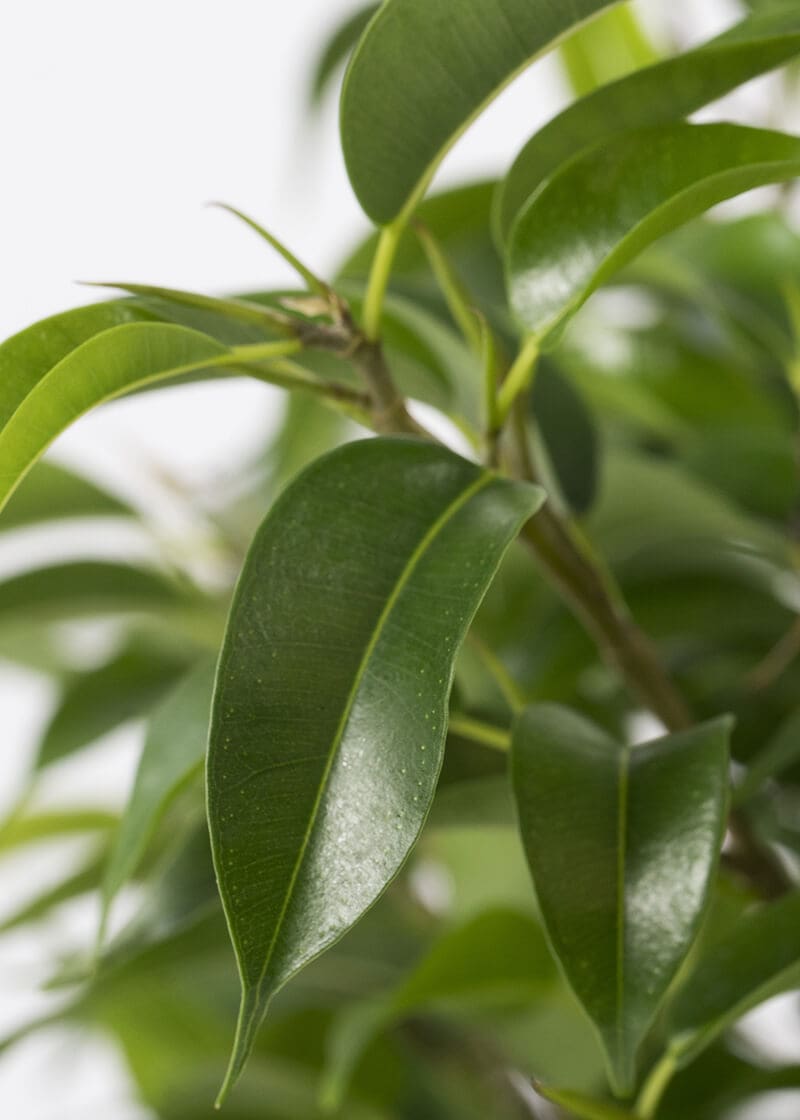
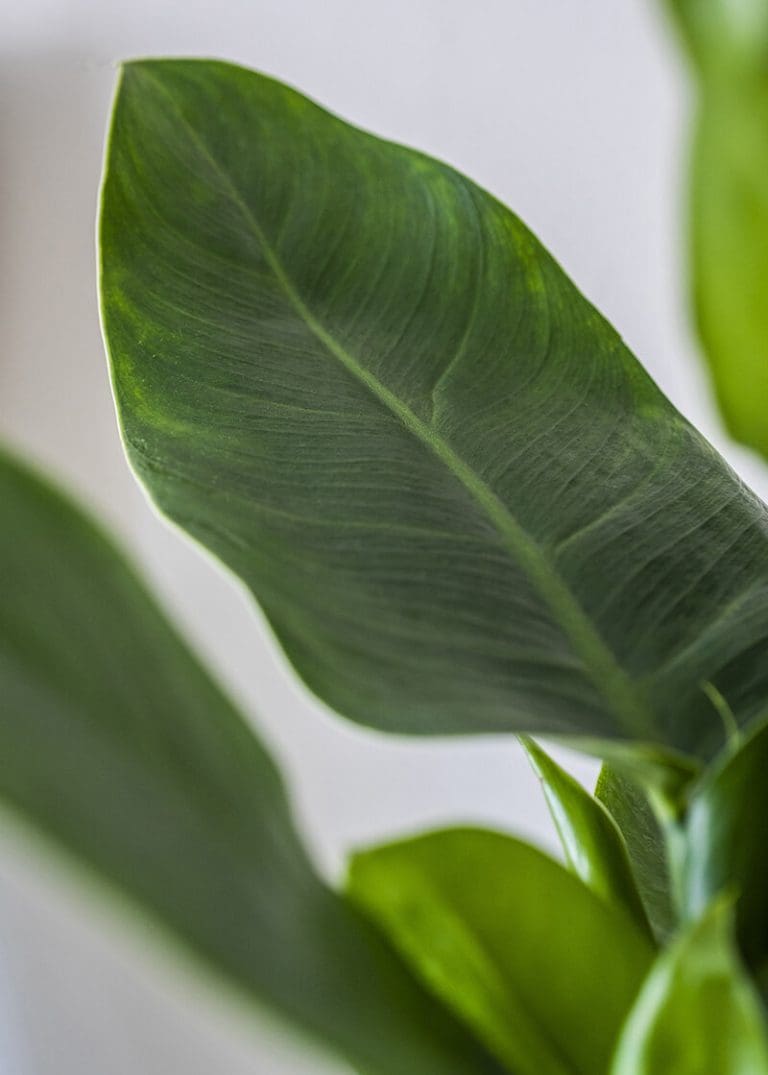
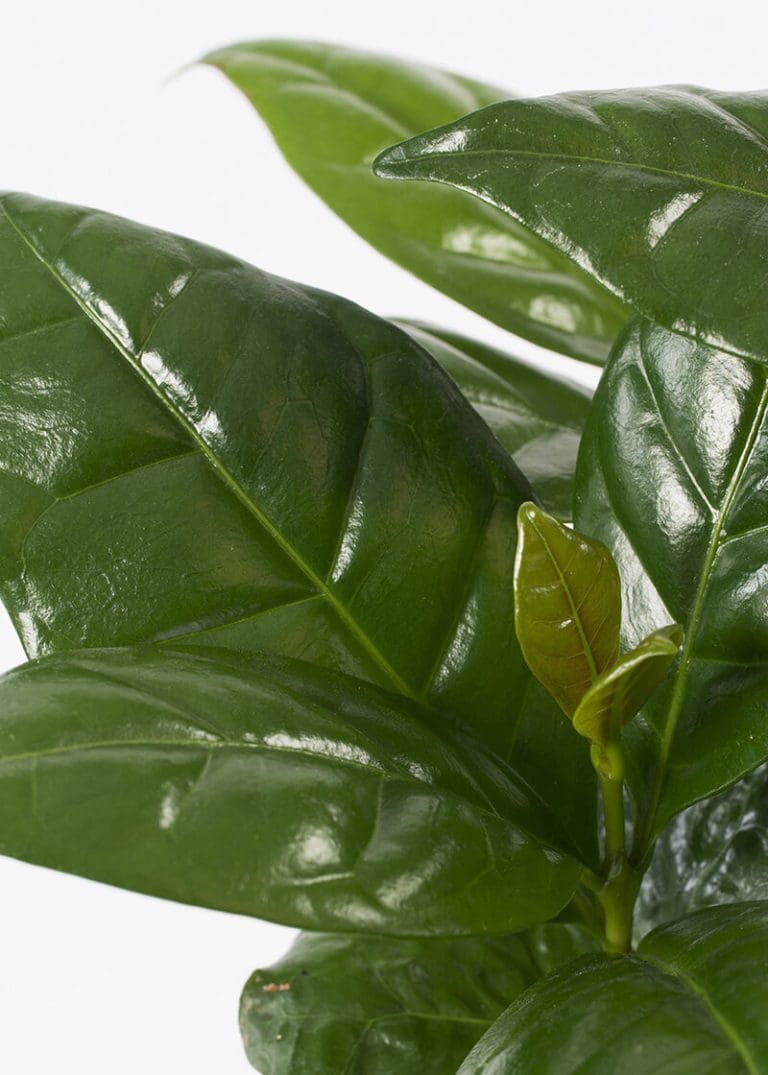
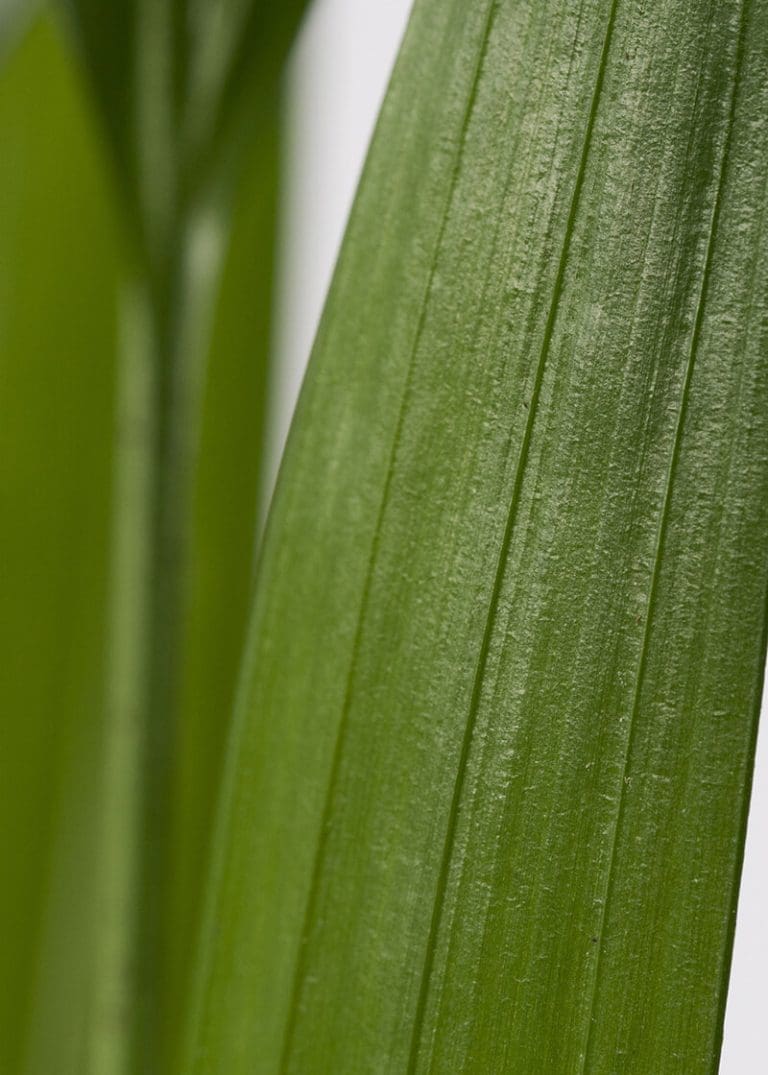
Ficus benjamina has dense foliage and drooping habit with hard, shiny leaves, between 5cm and 10cm in length.
Latin name
Ficus benjamina “Green Kinky”
Pronunciation
(“FY-kus ben-jah-MEEN-ah”)
Common name
Ficus Kinky Green
Origin
India, Bangladesh, Malaysia, Thailand, Laos, Cambodia, Vietnam, Myanmar, parts of China, Indonesia, Philippines, Papua New Guinea, tropical Northern Australia, Solomon Islands
They usually have an elongated to a distinctive tip, resembling the lip of jug. This is called a ‘drip tip’ and helps the plant shed excess water during the frequent heavy rain found in its natural habitat of the tropical rain forest.
The variety “Green Kinky” is relatively new variety and is notable for its dense canopy and bright green leaves, which have a very pronounced drip tip.
When mature, Ficus benjamina can reach a height of over ten metres – and sometimes much more. However, younger plants can often be formed into a bushy habit and can make decorative houseplants.
Older trees will produce distinctive aerial roots that hang down form its branches.
Did you know?
Toxic to pets and humans if ingested. Its milky sap contains ficin and ficusin, which can cause skin irritation, mouth discomfort, vomiting and digestive upset.
caring for your plant
Light
Medium high to high light. Needs good light and can tolerate direct sunlight.
Watering
It has been said that it is impossible to over water a Ficus. This is not entirely true – the plants do benefit from being in moist soil (especially in warm, bright conditions), but overly wet soil will cause root damage.
Pruning
Smaller plants can be trimmed to keep them to their desired shape. Larger plants can be pruned to remove crossing branches or to maintain a pleasant form. The sap produced from cutting the plant can be irritating to the skin and will stain clothes and fabrics (it dries to a reddish brown colour).
Feeding
Add dilute fertilizer to the water every time you water the plant.
pest & diseases
Remove mealybugs and scale promptly by cleaning affected areas. Large infestations may require trimming branch tips. Sticky honeydew often signals hidden scale. Thrips and spider mites are rare.
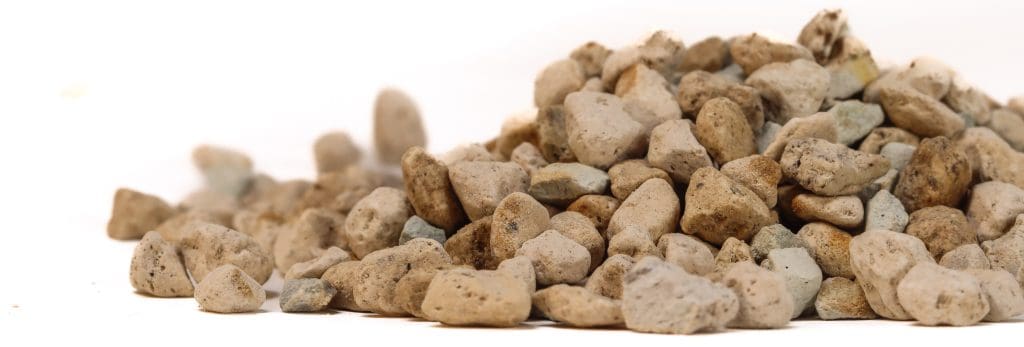
Our plants are grown in Ecoponic, an alternative to soil. Officially known as a vulkaponic substrate, it replaces traditional compost with a clean, mineral-based medium that helps protect peatlands.
According to the IUCN UK Peatland Programme, “A loss of only 5% of UK peatland carbon would be equal to the UK’s annual greenhouse gas emissions.” As well as storing carbon, the natural wetlands where peat is found are critical to the survival of plants and wildlife. Ecoponic also improves plant health and uses water more efficiently.
Find out more about Ecoponic here.
Buy one of my cousins from the nursery
Did you know?
Plantopedia is brought to you as part of our Engage & Bloom workplace experience program.
explore more
Why not continue your journey through the plant world. Explore more plants, their stories, habitats and the benefits they bring to spaces.