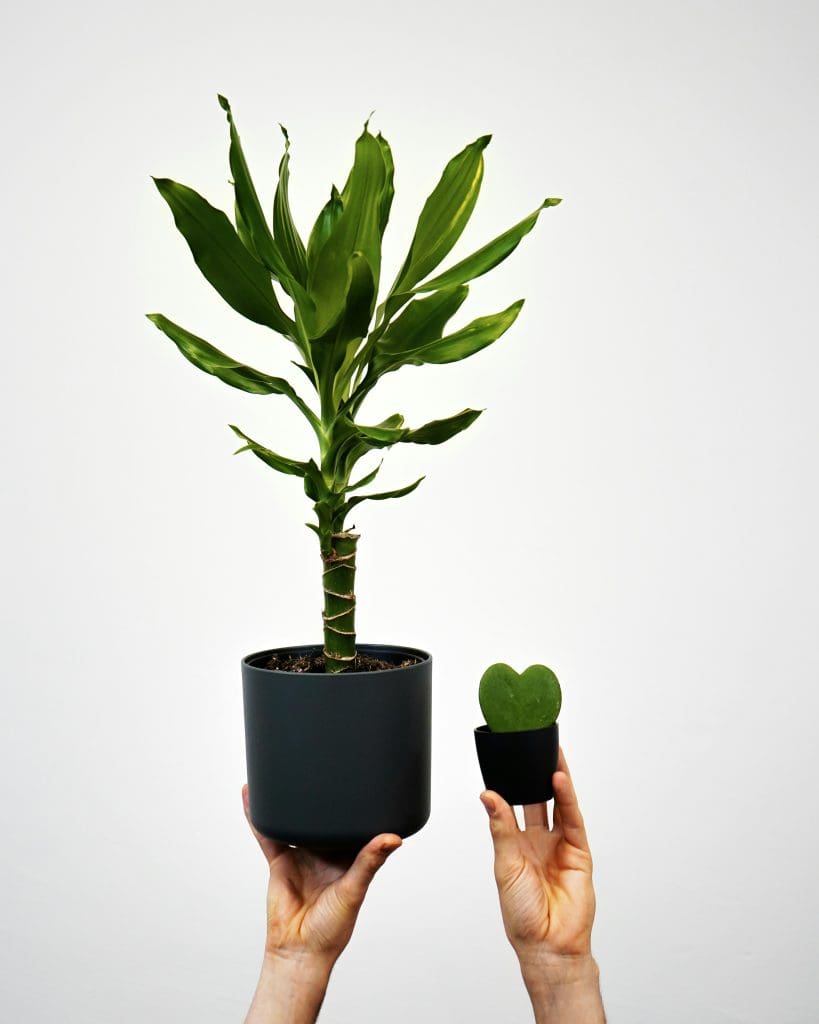
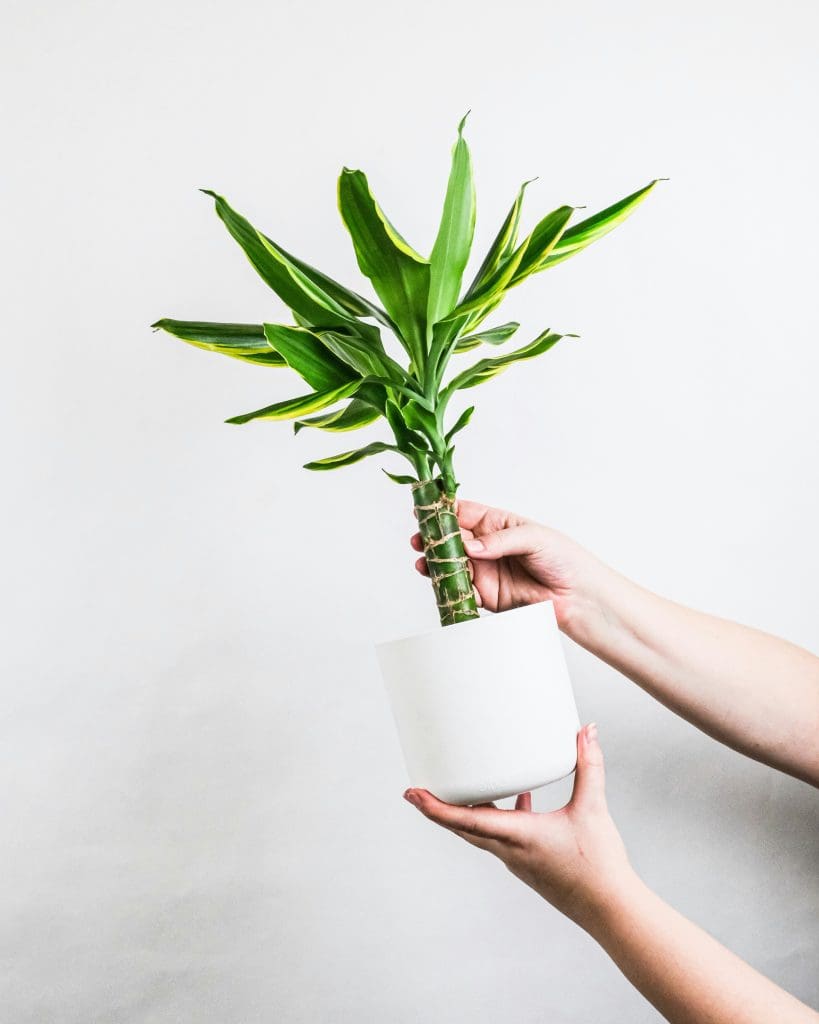
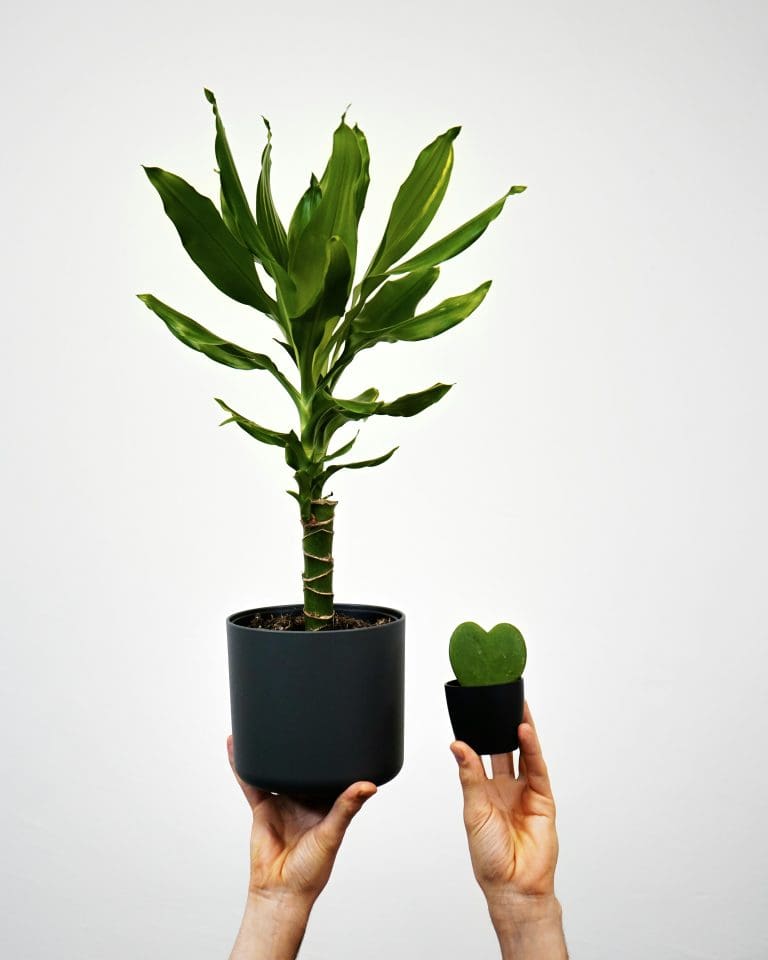
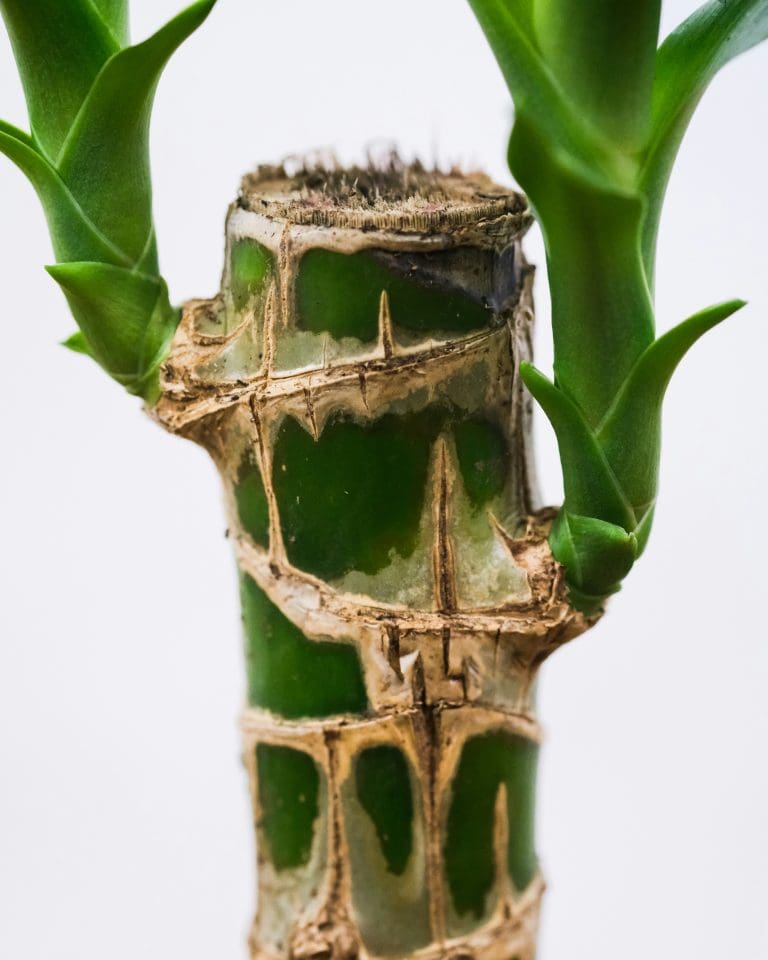
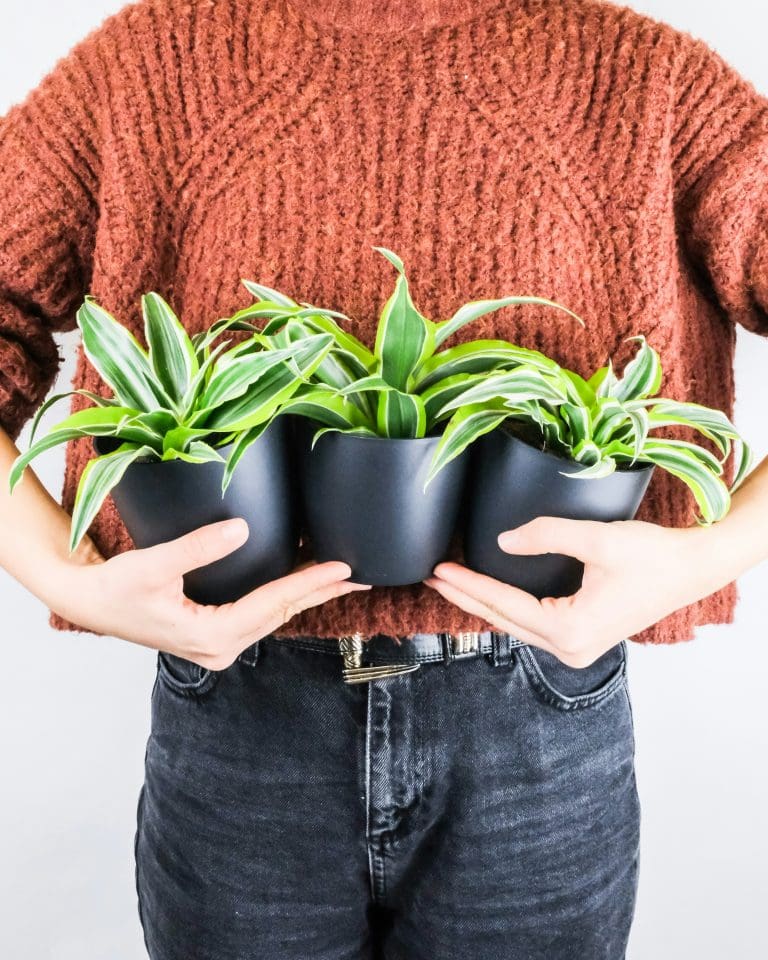
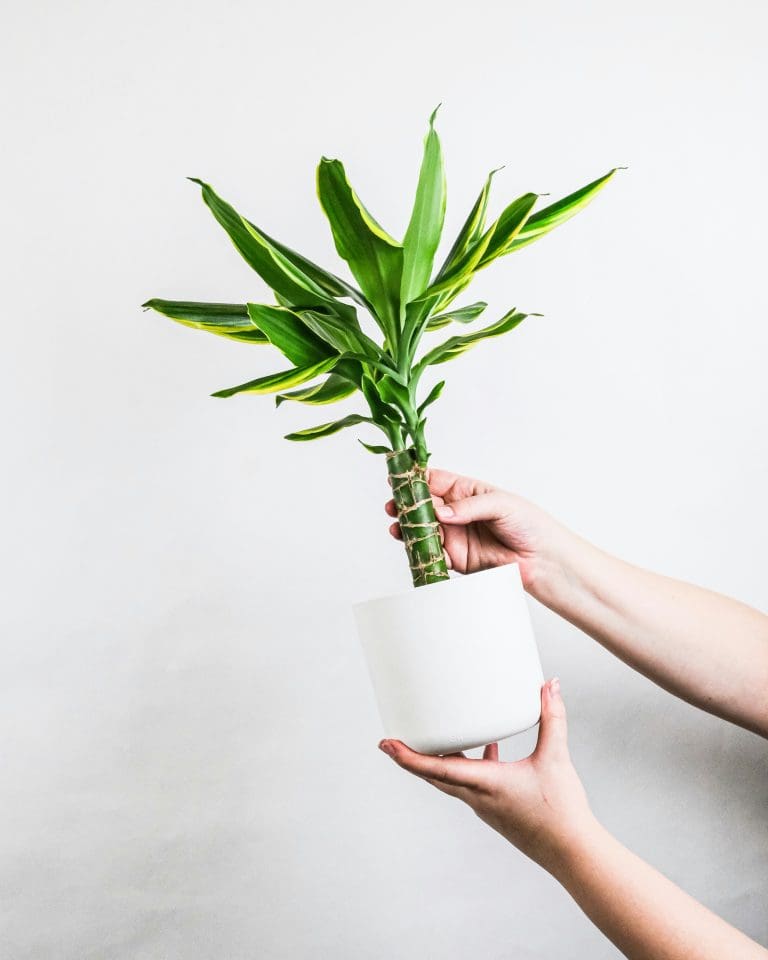
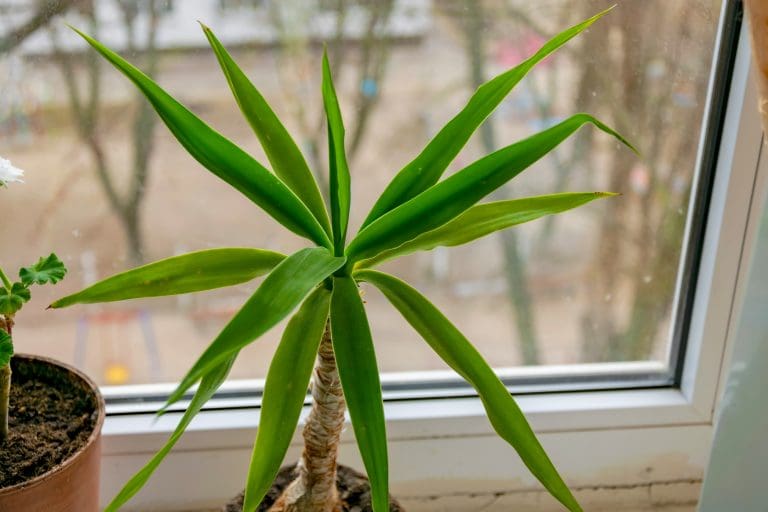
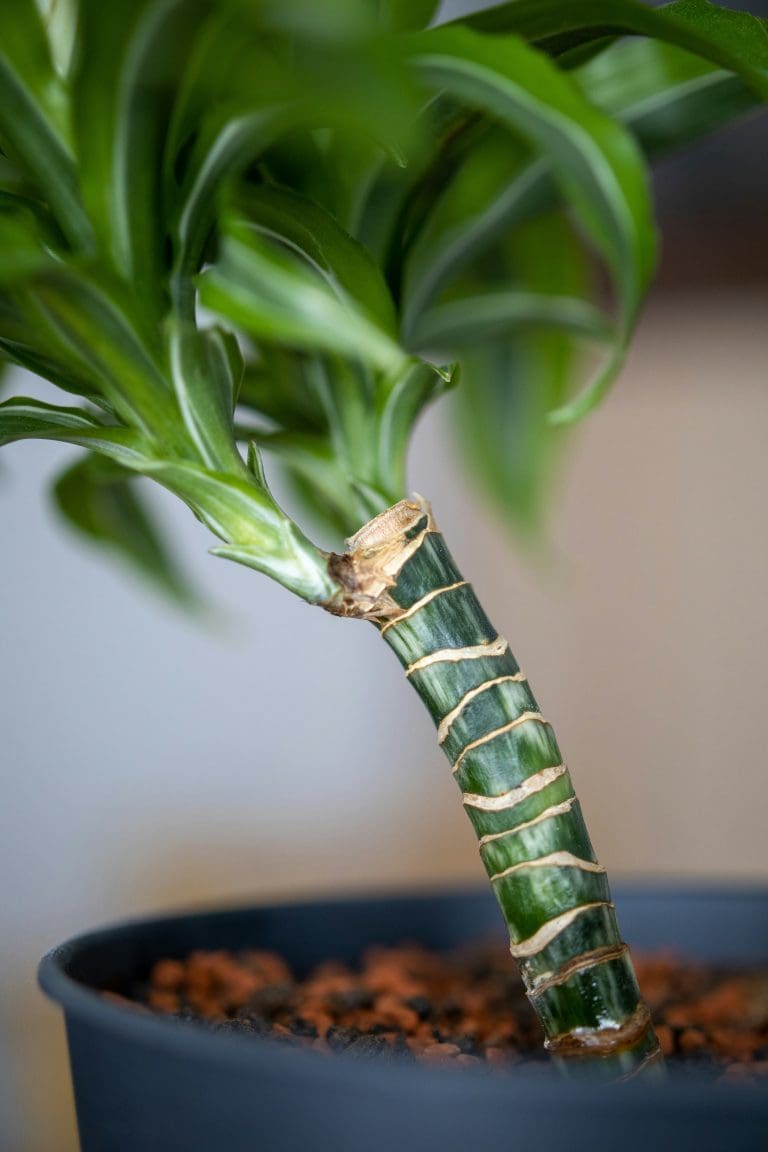
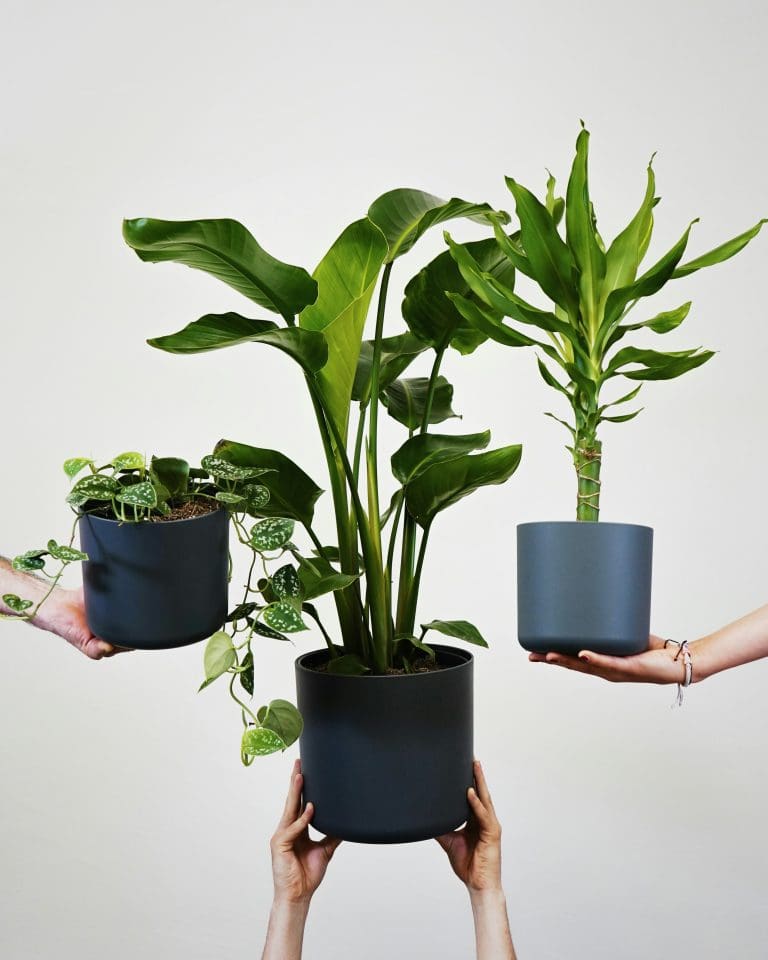
The Dracaena fragrans is a species of flowering plant native throughout tropical Africa.
Latin name Dracaena fragrans
Pronunciation (“dray-SEH-nah fruh-GRAHns”)
Common name Corn Plant
Origin Tropical Africa
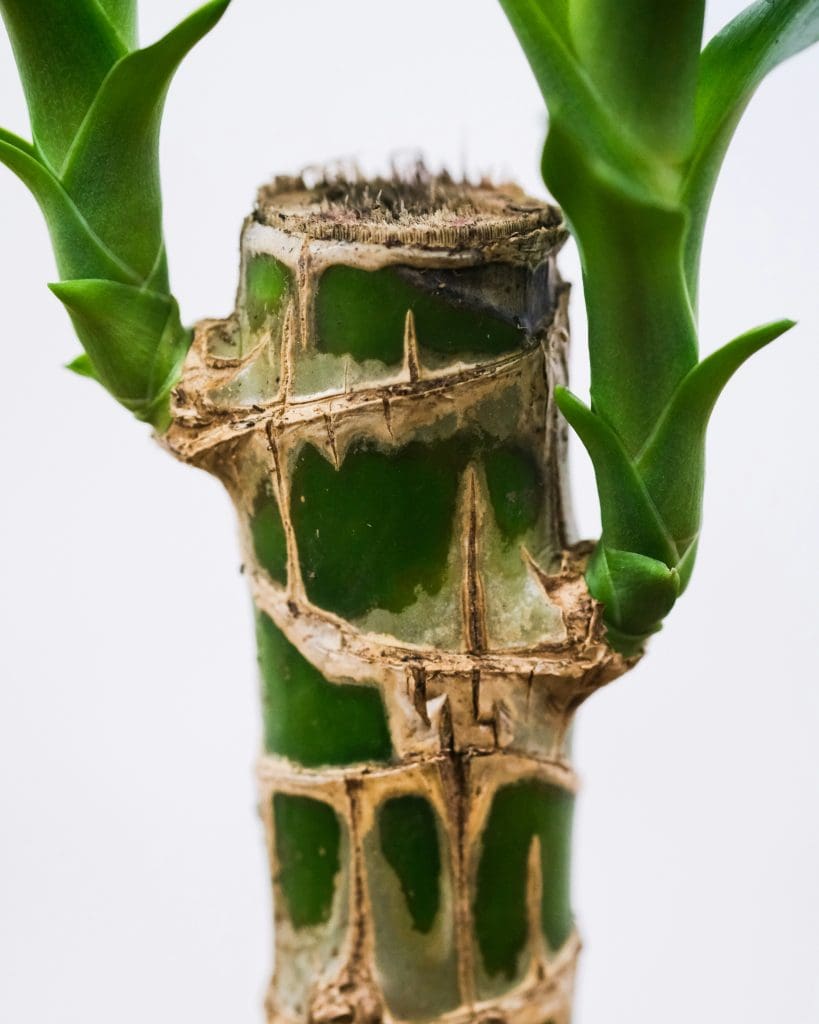
The Dracaena fragrans is a slow-growing, cane-forming shrub that often produces several stems from its base. In the wild, mature plants can reach up to 15 m tall.
Once one of the most widely used interior plants, it has seen a dip in popularity in recent years. However, it remains highly valued for its ability to thrive in a wide range of indoor conditions and is an excellent choice for lower light areas.
A number of attractive cultivars are available, with the most common including ‘Janet Craig’, ‘Compacta’, ‘Golden Coast’, and ‘Lemon Lime’.
Did you know?
In its native African habitat, Dracaena fragrans flowers at night, releasing a strong sweet scent to attract moths and other nocturnal pollinators. However this spectacular flowering is very rare indoors, where most plants will never bloom.
Mildly toxic if ingested by pets and humans. It may cause gastrointestinal upset if chewed.
caring for your plant
Light
Thrives in bright, indirect light. Tolerates lower light, though growth slows. Avoid harsh direct sun, which can scorch the leaves.
Watering
Allow the top few centimetres of soil to dry out between waterings. Overwatering can lead to root rot and yellowing leaves. Reduce watering in cooler months.
Pruning
Remove yellow or brown leaves. If the plant becomes leggy, you can prune the top to encourage bushier growth. Cut cleanly just above a node.
Feeding
Feed during the growing season (spring through summer) with a balanced, dilute houseplant fertiliser. A slow-release formula in spring can work well.
pest & diseases
Watch for scale insects, mealybugs, and spider mites. Treat infestations early by wiping leaves, or using insecticidal soap. Ensure good airflow and avoid overwatering to reduce fungal issues.
Where the Dracaena fragrans originates from
This species originates in tropical Africa, it is now available in a number of cultivars
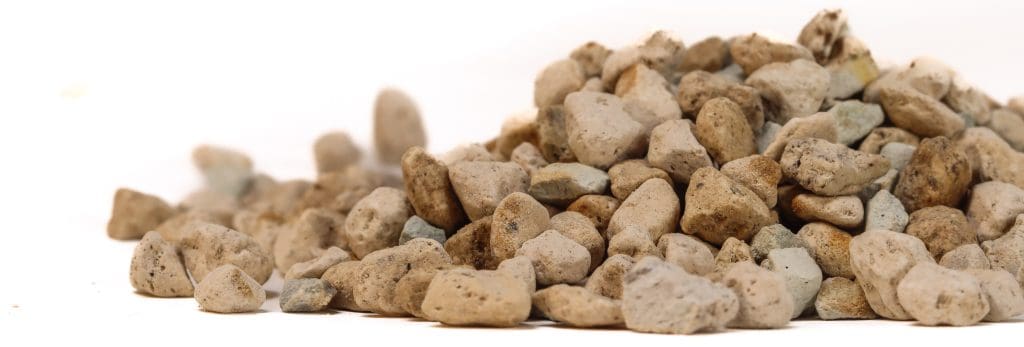
Our plants are grown in Ecoponic, an alternative to soil. Officially known as a vulkaponic substrate, it replaces traditional compost with a clean, mineral-based medium that helps protect peatlands.
According to the IUCN UK Peatland Programme, “A loss of only 5% of UK peatland carbon would be equal to the UK’s annual greenhouse gas emissions.” As well as storing carbon, the natural wetlands where peat is found are critical to the survival of plants and wildlife. Ecoponic also improves plant health and uses water more efficiently.
Research from the University of Exeter found that offices with plants can increase productivity by up to 15% while also improving concentration and job satisfaction.
Plantopedia is brought to you as part of our Engage & Bloom workplace experience program.
explore more
Why not continue your journey through the plant world. Explore more plants, their stories, habitats and the benefits they bring to spaces.
To provide the best experiences, we use technologies like cookies to store and/or access device information. Consenting to these technologies will allow us to process data such as browsing behaviour or unique IDs on this site.
Functional
Always active
The technical storage or access is strictly necessary for the legitimate purpose of enabling the use of a specific service explicitly requested by the subscriber or user, or for the sole purpose of carrying out the transmission of a communication over an electronic communications network.
Preferences
The technical storage or access is necessary for the legitimate purpose of storing preferences that are not requested by the subscriber or user.
Statistics
The technical storage or access that is used exclusively for statistical purposes.The technical storage or access that is used exclusively for anonymous statistical purposes. Without a subpoena, voluntary compliance on the part of your Internet Service Provider, or additional records from a third party, information stored or retrieved for this purpose alone cannot usually be used to identify you.
Marketing
The technical storage or access is required to create user profiles to send advertising, or to track the user on a website or across several websites for similar marketing purposes.