Caryota mitis, commonly known as the fishtail palm, is a captivating tropical plant originating from Southeast Asia.
Latin name Caryota mitis
Pronunciation kair-ee-OH-tuh MY-tis
Common name Fish Tail Palm
Origin Native to Southeast Asia
Its lush foliage, with leaves resembling the graceful tail of a fish, adds a touch of exotic beauty to any setting.
This palm stands out for its unique growth habit. Unlike most palms that grow a single trunk, the fishtail palm forms multiple slender stems, creating a clustered appearance that enhances its visual appeal.
Gardeners appreciate the fishtail palm for its easy care requirements. It thrives in warm, humid conditions and prefers well-draining soil. While it can tolerate some shade, it flourishes best in bright, indirect light.
With proper attention, the fishtail palm can reach moderate heights, making it ideal for both indoor and outdoor spaces. Regular watering, occasional fertilization and protection from strong winds are essential for its optimal growth and health.
Overall, the fishtail palm is prized for its exotic charm and architectural elegance. Whether gracing a tropical garden or adorning a living room, it brings a sense of tranquillity and natural beauty to any environment.
Did you know?
It produces large, cascading clusters of small, fragrant flowers followed by small, round fruits that attract wildlife in its native habitat.
Toxic to pets and humans if ingested. Its sap contains raphides (calcium oxalate crystals) that can cause oral irritation, vomiting, diarrhoea, and, in some cases, severe skin irritation upon contact.
caring for your plant
Light
Prefers bright, indirect light. Place near an east or north-facing window and avoid direct sunlight, which can scorch fronds. Low light may stunt growth.
Watering
Water when the top 1–2 inches of soil are dry, letting it nearly dry between waterings. Reduce watering in winter, and avoid both soggy soil and complete dryness.
Pruning
Requires minimal pruning; remove only dead or damaged fronds at the base. Gently wipe fronds occasionally to remove dust.
Feeding
Feed with diluted balanced fertilizer during spring to fall. Skip fertilizing in winter. Occasional feeding supports healthy growth and frond development.
pest & diseases
Susceptible to spider mites, mealybugs, and scale, as well as fungal issues like leaf spot and root rot if overwatered or in high humidity. Inspect regularly and treat promptly with insecticide or fungicide.
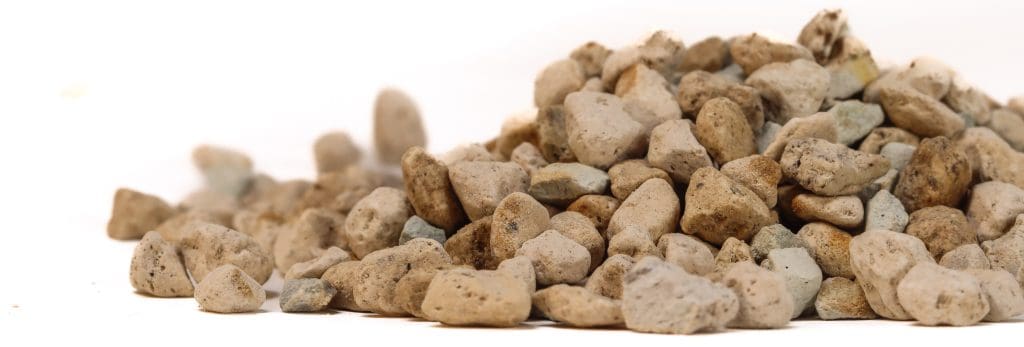
Our plants are grown in Ecoponic, an alternative to soil. Officially known as a vulkaponic substrate, it replaces traditional compost with a clean, mineral-based medium that helps protect peatlands.
According to the IUCN UK Peatland Programme, “A loss of only 5% of UK peatland carbon would be equal to the UK’s annual greenhouse gas emissions.” As well as storing carbon, the natural wetlands where peat is found are critical to the survival of plants and wildlife. Ecoponic also improves plant health and uses water more efficiently.
Research from the University of Exeter found that offices with plants can increase productivity by up to 15% while also improving concentration and job satisfaction.
Plantopedia is brought to you as part of our Engage & Bloom workplace experience program.
explore more
Why not continue your journey through the plant world. Explore more plants, their stories, habitats and the benefits they bring to spaces.
To provide the best experiences, we use technologies like cookies to store and/or access device information. Consenting to these technologies will allow us to process data such as browsing behaviour or unique IDs on this site.
Functional
Always active
The technical storage or access is strictly necessary for the legitimate purpose of enabling the use of a specific service explicitly requested by the subscriber or user, or for the sole purpose of carrying out the transmission of a communication over an electronic communications network.
Preferences
The technical storage or access is necessary for the legitimate purpose of storing preferences that are not requested by the subscriber or user.
Statistics
The technical storage or access that is used exclusively for statistical purposes.The technical storage or access that is used exclusively for anonymous statistical purposes. Without a subpoena, voluntary compliance on the part of your Internet Service Provider, or additional records from a third party, information stored or retrieved for this purpose alone cannot usually be used to identify you.
Marketing
The technical storage or access is required to create user profiles to send advertising, or to track the user on a website or across several websites for similar marketing purposes.