It looks like you are visiting this site
from outside the UK region.

Go to US site
The Living Office

the benefits of plants

and how they make work feel better

The benefits of office plants go beyond appearance. Thoughtfully designed planting can make a workplace feel calmer, more welcoming and more worth spending time in.

Your office has desks, screens, meeting rooms and coffee. But does it have any life?

Plants will not solve every problem with an office. They can, however, change the experience of being there: softening hard surfaces, creating visual breathing room and making a shared workplace feel more considered.

Six ways plants change the experience of work

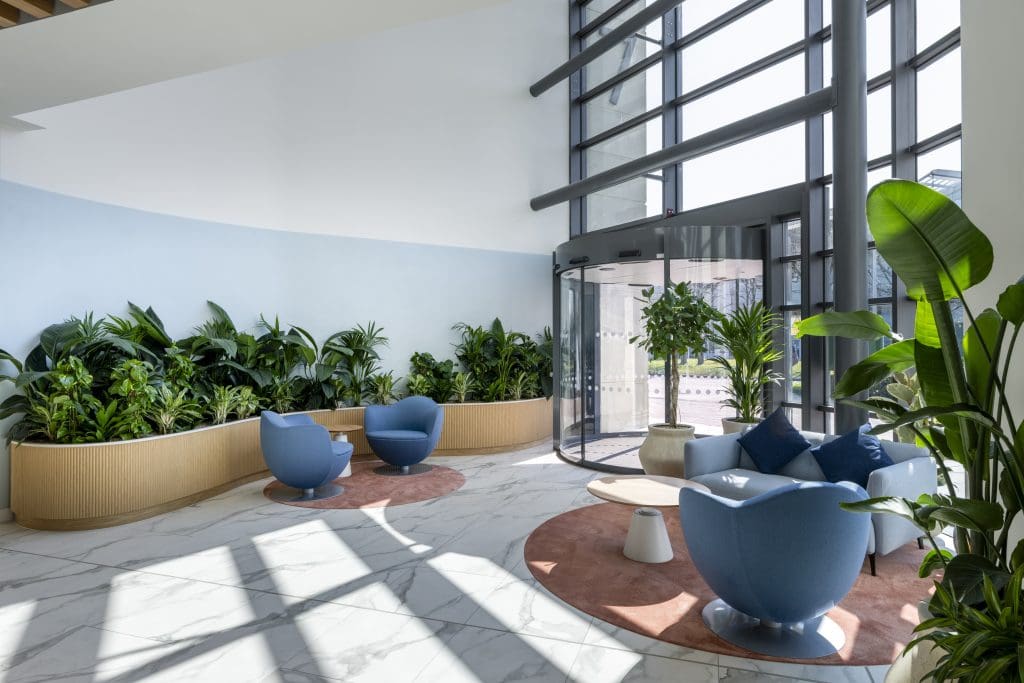
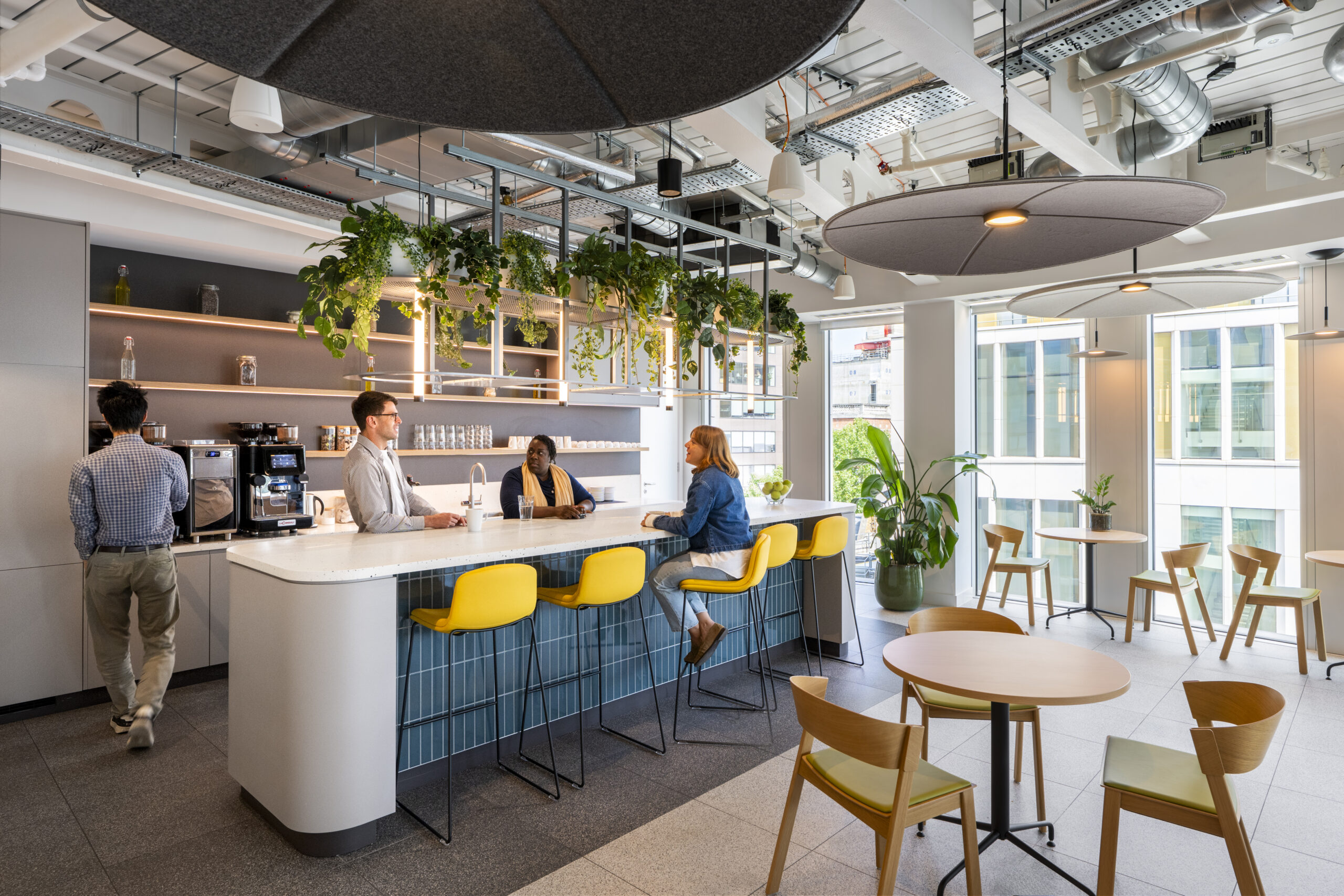
a room with blue chairs and plants

The welcome

You notice how a workplace feels before you notice how it functions.

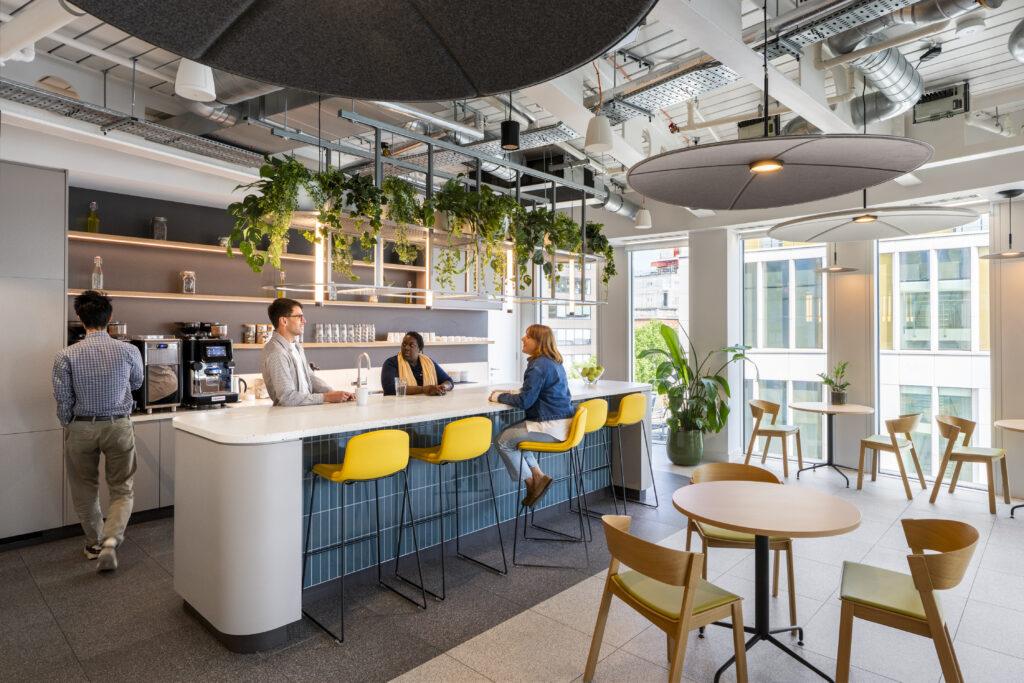
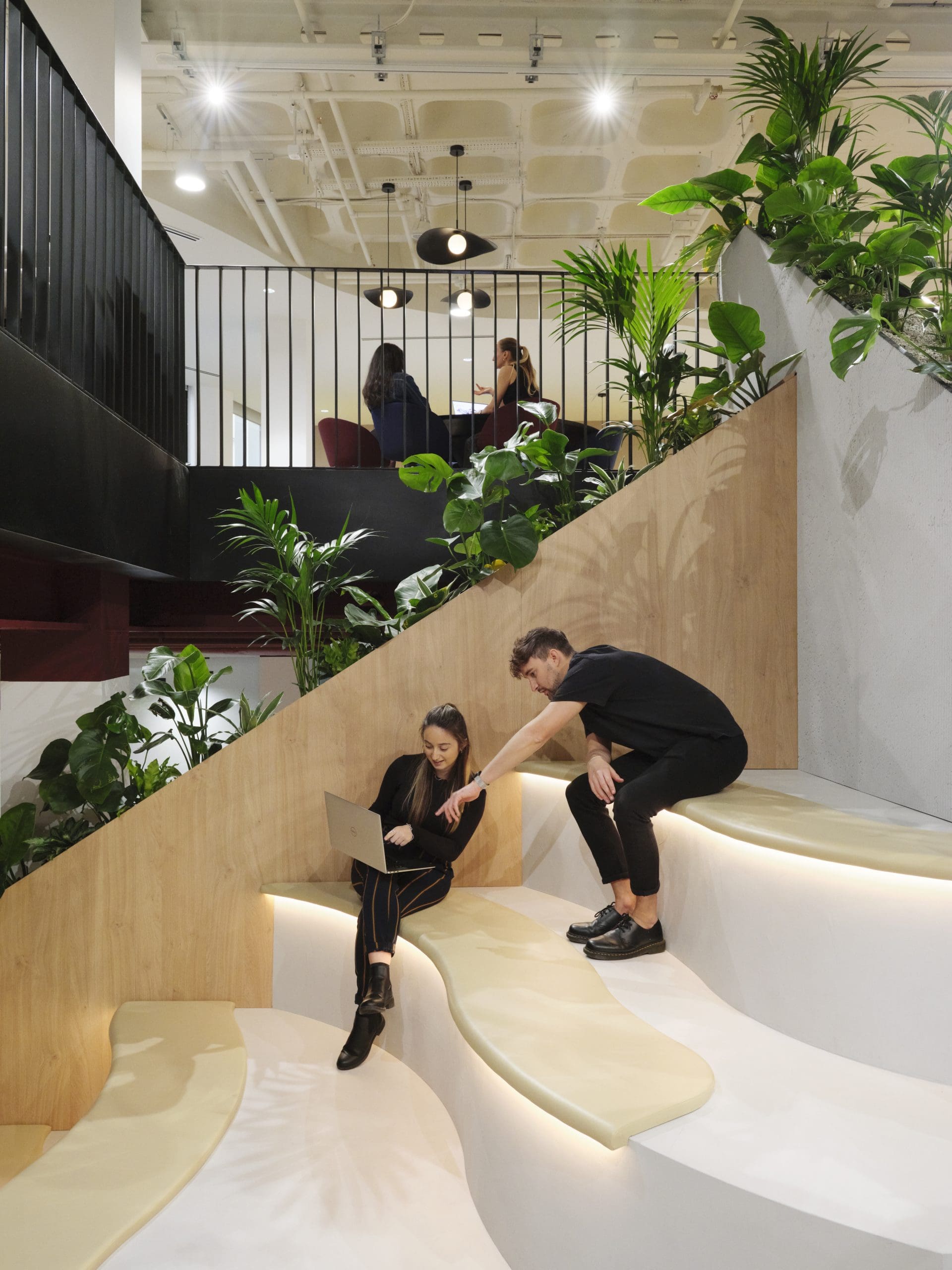
An entrance filled with greenery feels different from an empty reception. A planted breakout space feels different from a row of tables and chairs. Plants introduce softness, movement, texture and life into environments otherwise dominated by straight lines and manufactured materials.

A 2020 study examining planting in a modern office found that introducing plants significantly improved occupants’ satisfaction with their workplace environment. Participants also reported positive changes in perceived attention, creativity and productivity. 

Planteria Group

The calm

Workplaces ask a lot of our attention. Messages arrive. Meetings overlap. Screens compete for focus. Even on a relatively quiet day, there is a steady stream of information to process.

Nature can provide a counterpoint.

A 2025 controlled workplace study compared people working for an hour in an office with green plants with those working in a plant-free room. In the planted environment, participants reported lower perceived stress and fatigue, with researchers also observing differences in physiological measures including heart rate and systolic blood pressure.

Plants do not remove deadlines or clear an inbox. What they can do is introduce moments of nature into environments that otherwise offer very few.

Planteria Group

The space

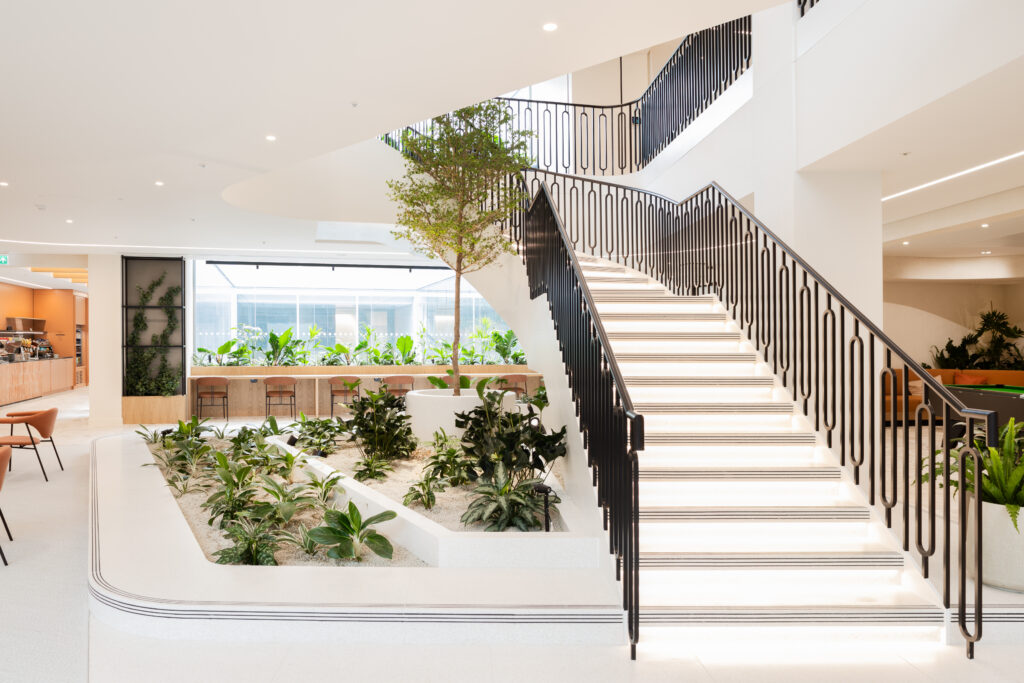
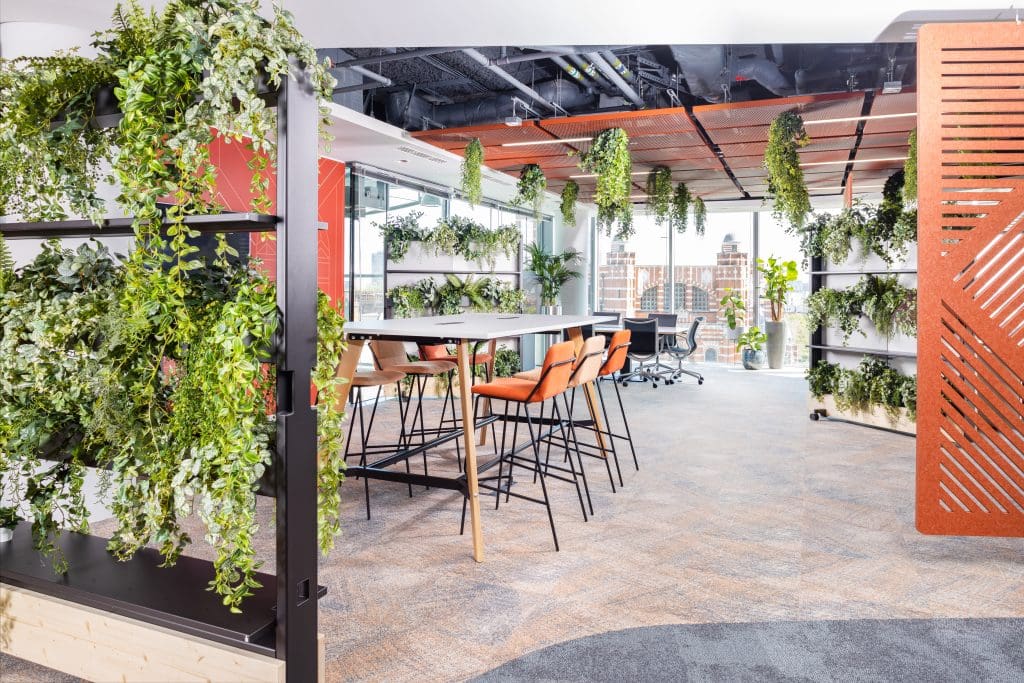
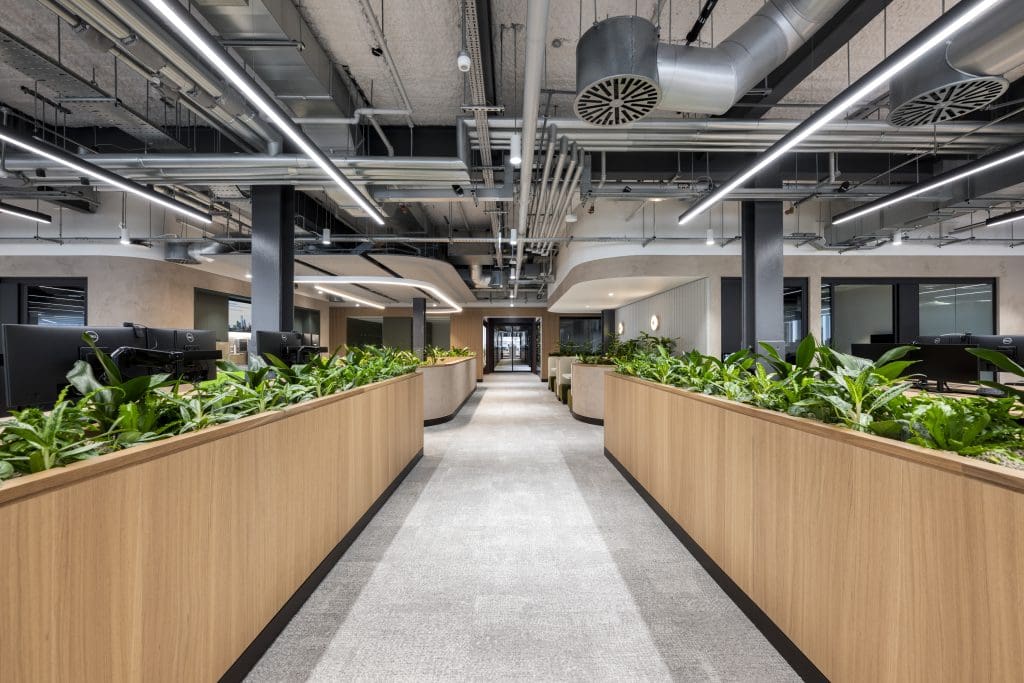
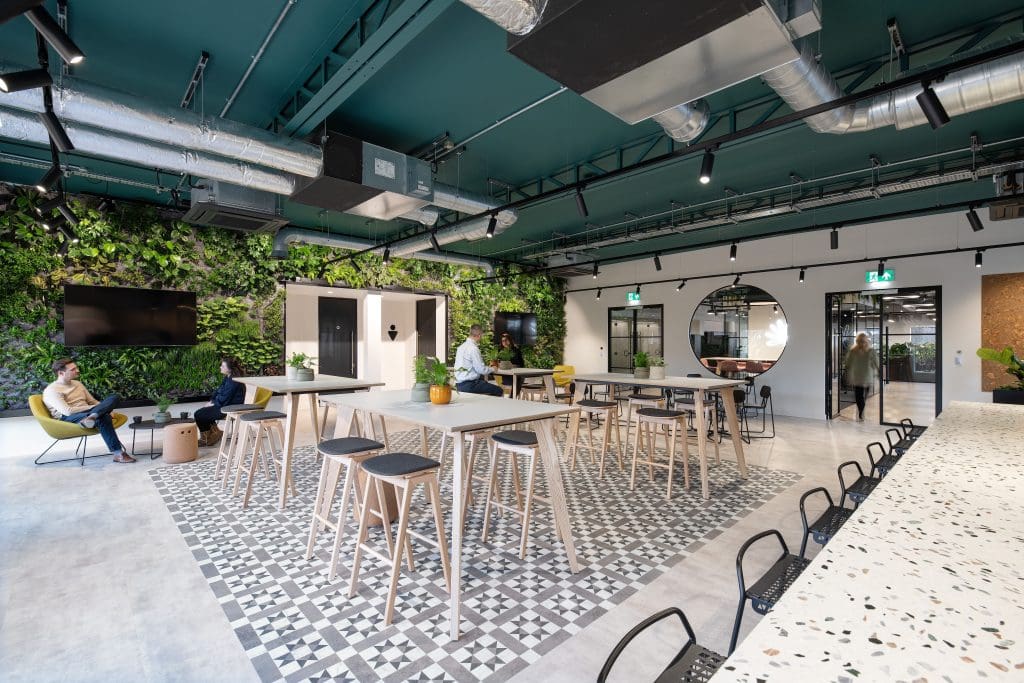
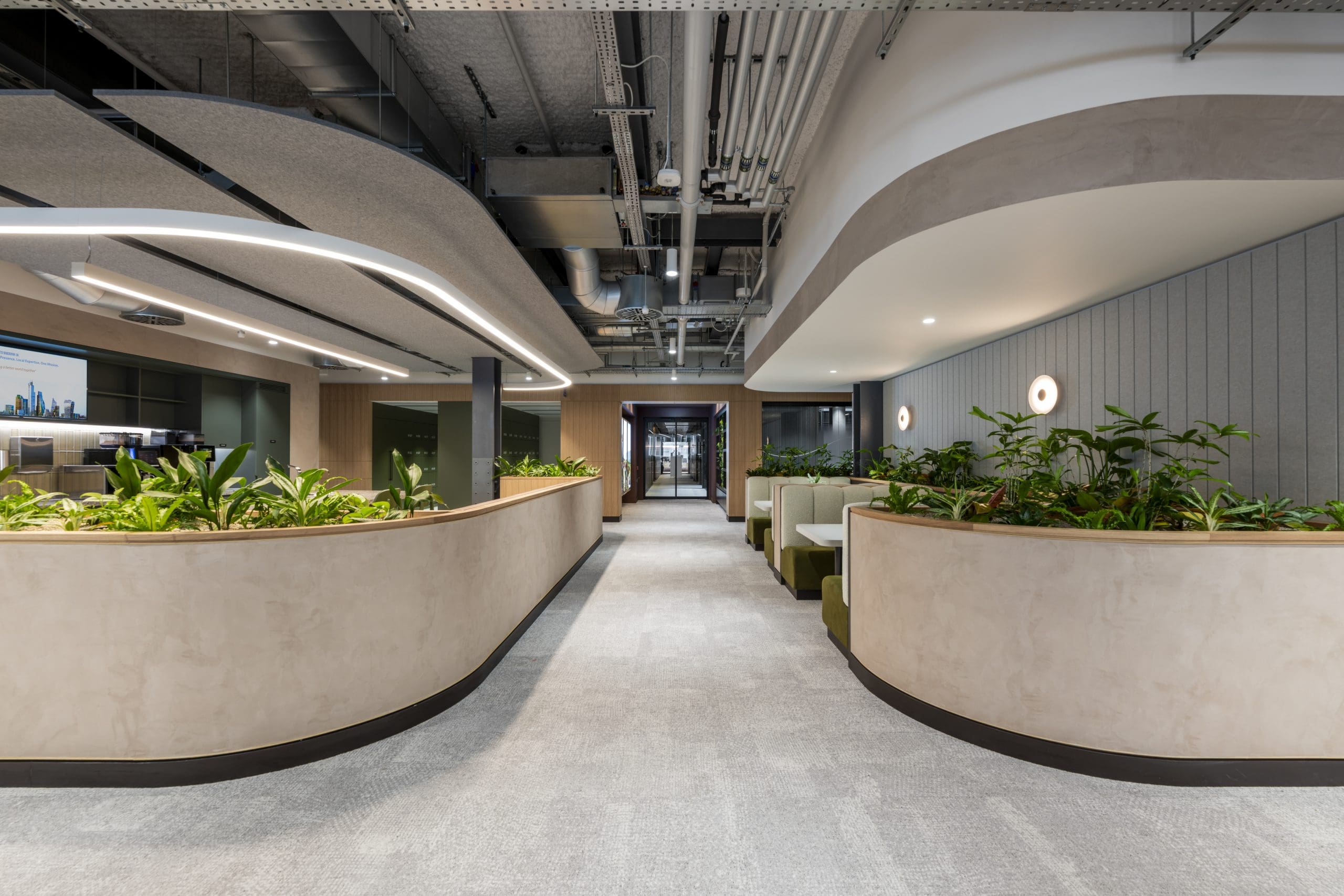
Plants can soften boundaries between different areas, create a sense of enclosure without building another wall and provide visual relief in large open-plan spaces. A planted screen can make a seating area feel more sheltered. Greenery at different heights can make a large floorplate feel more human in scale.

Research suggests the amount and arrangement of greenery may matter, too. A 2021 experimental study tested different levels of green coverage in workplace environments. Researchers found that the response varied according to the amount of greenery present, with 12% green coverage producing the strongest overall balance across the psychological, physiological and productivity measures they examined.

More plants are not automatically better. Thoughtful planting is about putting the right greenery in the right places.

Planteria Group

The character

Offices can easily become interchangeable. The same desks. The same chairs. The same meeting-room glass. The same neutral finishes. Planting gives a space another layer of identity.

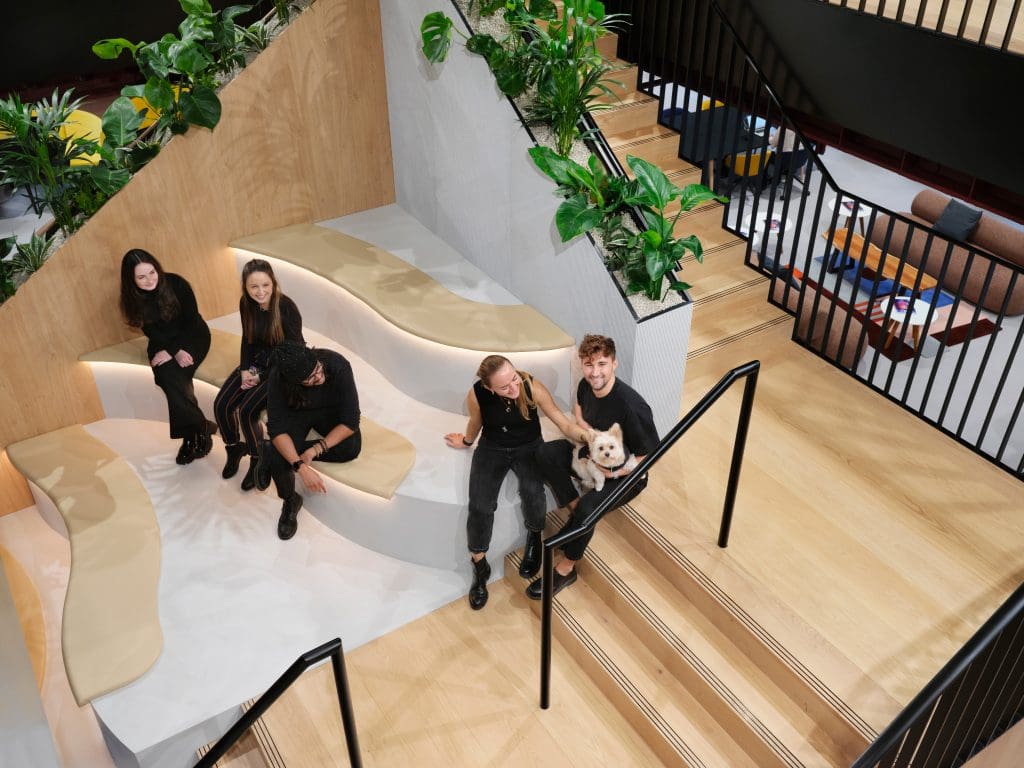
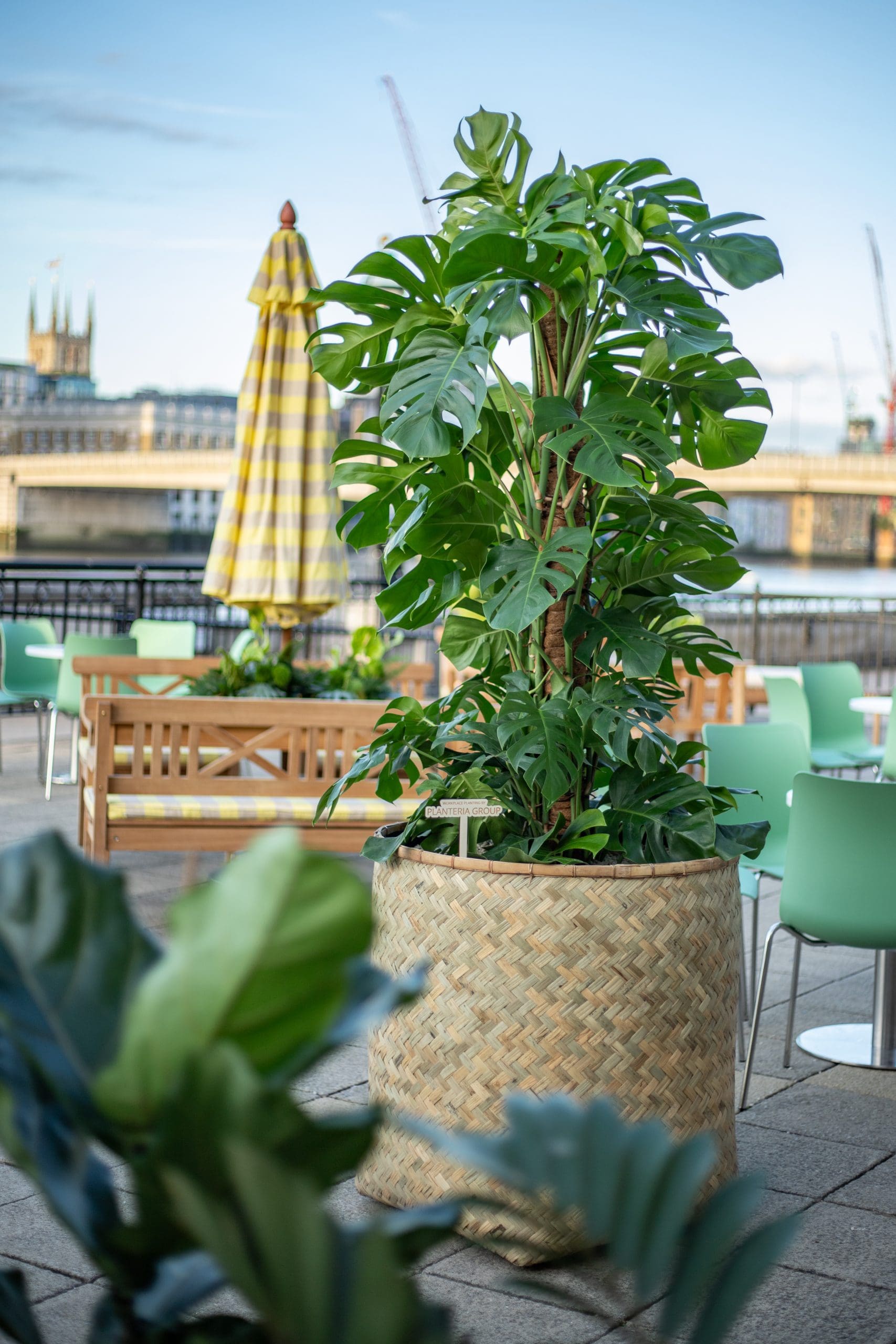
A sculptural specimen plant can become a landmark. Trailing planting can soften an architectural feature. Seasonal displays can change the atmosphere throughout the year. Species, planters and planting styles can all be selected to work with the character of a building and the organisation inside it.

Research into different approaches to indoor biophilic greening also suggests that design matters. A 2024 study comparing Japanese-style, tropical and plant-free office environments found differences in how participants responded to the planted spaces, including improvements in their impressions of the rooms and, in the Japanese-style environment, a reduction in negative emotions.

Planteria Group

The return

If people have a choice about where they work, the office needs to offer something worth travelling for.

Plants can be part of that experience.

One of the best-known studies in this area compared relatively sparse “lean” offices with workplaces enriched with plants. Conducted in real commercial offices in the UK and the Netherlands, the research found that introducing plants increased workplace satisfaction and self-reported concentration and was associated with a 15% increase in productivity.

The case for plants does not need to rest on a promise that adding a planter will make everybody 15% more productive. The more useful point is that workplace design influences workplace experience… and planting is one of the tools available to improve it.

Planteria Group

The care

There is something different about an environment containing living things.

Plants grow. They change. They need looking after.

That can subtly change the message a workplace sends. Well-maintained planting suggests attention has been paid not just to what an office looks like on opening day, but to what it feels like to use every day.

And when planting is professionally maintained, that sense of care continues. Leaves are cleaned. Plants are pruned. Struggling specimens are replaced. Displays evolve with the space. The result should feel effortless to the people using the workplace.

THE CASE FOR A LIVING OFFICE

0 %

People spend about 90% of their time indoors.

Source: US Environmental Protection Agency

up to
0 %

Up to 15% productivity uplift observed in a green-office field study.

Source: University of Exeter / University of Groningen research

studies
0

Included in a systematic review of how indoor plants affect human function, including relaxed physiology and cognition.

Source: Chen et al., 2022

Planteria Group

The benefit is in the feeling.

The most successful workplaces are made up of small, considered decisions. Office plants are one of those decisions.

There is no single study that can tell us exactly what plants will do in every workplace. Different studies use different environments, plant quantities, measures and groups of people. Some find improvements in productivity or cognitive performance. Others find stronger effects on stress, satisfaction or perceived wellbeing. 

But taken together, the research gives us good reason to consider access to nature as part of workplace design.

see it in practice

A few of the workplaces where planting has helped shape the experience of being there.